Petrol Changing Soon? What Higher Ethanol Fuel Means for Your Car
- Soham Halder
- 13 hours ago
- 2 minutes read
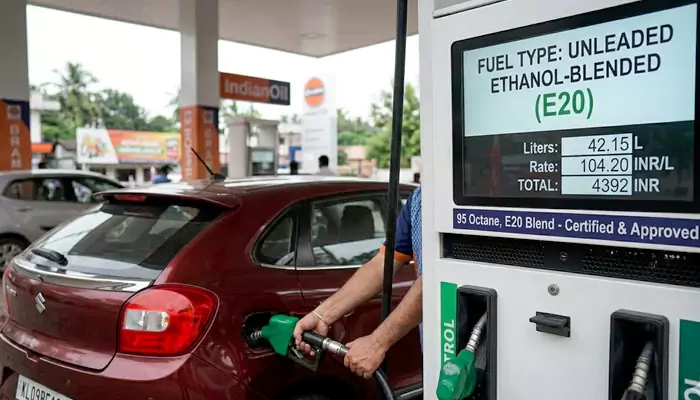
If you own a petrol car or bike, a major shift is coming that could directly affect how your vehicle runs. The government is now pushing beyond current fuel standards, and the petrol you use today may not be the same in the near future.
What Changed: India Moves Beyond E20 Fuel
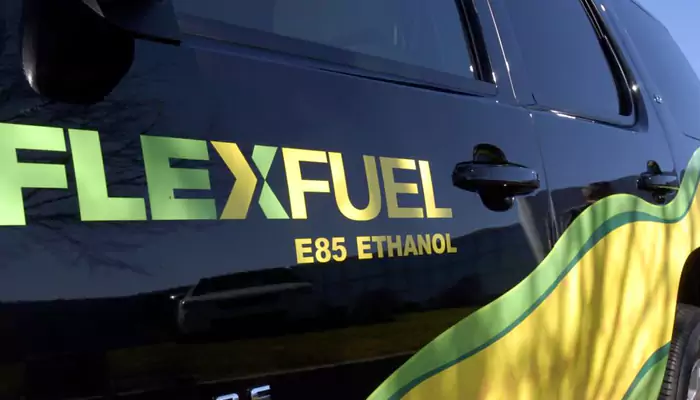
The government has proposed new rules to allow higher ethanol blends like E85 (85% ethanol) and even E100 (pure ethanol) in vehicles. The draft changes to the Central Motor Vehicles Rules, 1989, notified on April 27, cover fuels including E85 (85% ethanol blended with petrol), E100 (near-pure ethanol), B100 biodiesel and hydrogen-CNG combinations.
Until now, the rules primarily referenced E10 and E20. The proposed amendment opens the regulatory door for flex-fuel and pure biofuel vehicles across all categories, including two-wheelers, three-wheelers, passenger cars and heavy vehicles.
B100 is 100% pure biodiesel, produced from vegetable oils, animal fats or recycled cooking oil; it can run in diesel engines but requires fuel system modifications at full concentration.
This comes just after India successfully rolled out E20 fuel nationwide in 2026, marking the next step in reducing dependence on imported crude oil.
Who Is Affected: Every Petrol Vehicle Owner
This change impacts:
- Car and bike owners across India
- Daily commuters and cab drivers
- People using older petrol vehicles
The key issue? Not all vehicles are ready for higher ethanol blends. Most existing vehicles are designed for E20 or lower.
What Happens Next: Compatibility Becomes the Big Question
Here’s what you can expect:
- New fuel types like E85 may appear at petrol pumps
- Older vehicles may face performance issues or reduced efficiency
- Separate fuel systems or pumps may be introduced
Experts have already flagged concerns that higher blends could affect mileage and engine durability if vehicles aren’t compatible.
What You Should Do Now
Check your vehicle manual for fuel compatibility
Avoid using higher ethanol blends unless your car supports it
Stay updated on fuel availability at local pumps
Watch for manufacturer advisories
Closing Note
This is not just an environmental policy, it directly affects your vehicle’s performance and running costs. Ignoring compatibility could lead to higher maintenance expenses.
Petrol isn’t disappearing, but it’s evolving. As India moves toward cleaner fuels, your car may need to adapt too. The smart move now is simple: know your vehicle, understand your fuel, and stay prepared for what’s coming next.