New Cars, New Rules: Why Flex-Fuel Vehicles Could Become the Next Big Thing
- Soham Halder
- 13 hours ago
- 3 minutes read
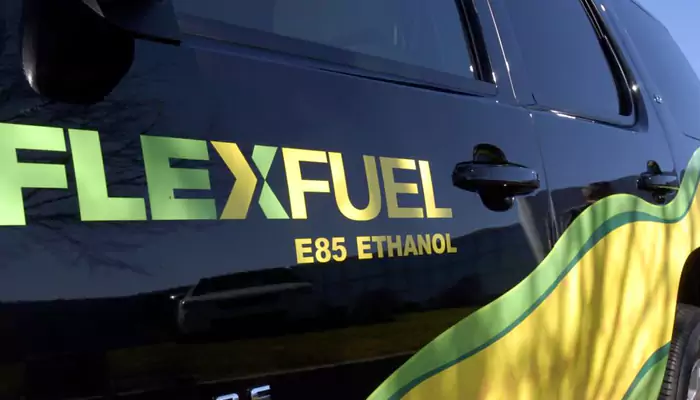
Planning to buy a new car? The decision you make today could look very different in a few years. With new fuel policies on the horizon, the cars of tomorrow may not run on traditional petrol alone.
What Changed: Push for Flex-Fuel Vehicles
Along with higher ethanol blends, the government is actively promoting flex-fuel vehicles (FFVs), cars that can run on petrol mixed with up to 85% ethanol or more. This is part of a larger strategy to cut oil imports and move toward energy self-reliance.
Deepak Ballani, Director General, Indian Sugar and Bio-energy Manufacturers Association (ISMA) said that the draft Gazette notification on Central Motor Vehicles (Amendment) Rules, 2026, issued by the Ministry of Road Transport and Highways (MoRTH), is a timely and forward-looking step towards strengthening India’s clean mobility framework.
Who Is Affected: Car Buyers, Automakers, and Future Drivers
This shift directly impacts:
- People planning to buy new cars
- Automobile companies
- Students and professionals entering the auto industry
Your next vehicle choice may depend not just on price or features, but on fuel compatibility.
In the long term, the introduction of a higher ethanol blend could influence the pricing of vehicles, which may become relatively more expensive. If and when the rollout of E85 takes place, fuel stations nationwide will need to have separate storage tanks for regular petrol and ethanol-blended petrol, along with dedicated dispensing systems for each type.
What Happens Next: A Shift in the Auto Market
Here’s what’s likely to happen:
- Automakers will launch more flex-fuel models
- Traditional petrol-only cars may become less future-ready
- Demand for FFVs could rise as fuel options expand
Countries like Brazil have already adopted flex-fuel systems widely and India is moving in a similar direction.
What This Means for Your Buying Decision
Buying a petrol-only car today could limit future flexibility
Flex-fuel cars may offer better long-term value
Resale value may shift toward fuel-compatible vehicles
What You Should Do Now
- Ask dealers about flex-fuel compatibility before buying
- Track upcoming FFV launches
- Consider long-term fuel trends, not just current prices
Closing Note
This policy could reshape the automobile market faster than expected. Buying a car without considering fuel changes could become a costly mistake.
The future of cars in India is changing and fuel flexibility could become the new standard. For buyers, the message is clear: don’t just buy a car for today, buy one that’s ready for tomorrow.