The Indian shopping mood has not vanished. It has simply become cautious, calculator-in-hand cautious. And large appliances may feel that shift first....

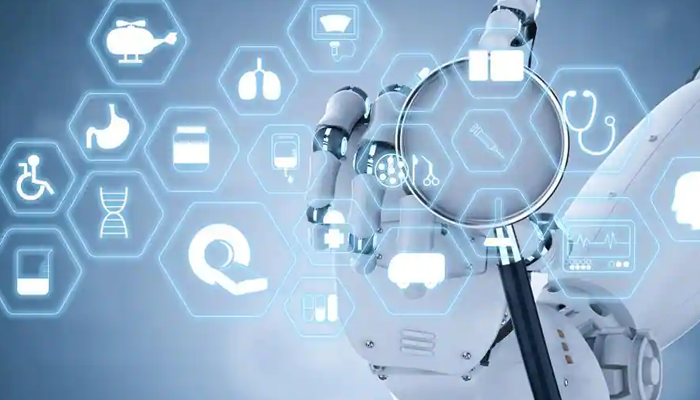
Artificial intelligence is becoming increasingly common in healthcare, promising faster diagnoses, personalized recommendations, and early detection of diseases. For many people, these advancements offer hope for more efficient medical care. However, a recent viral case has highlighted an important reality: technology, no matter how advanced, is not infallible. What happened exactly? According to reports, a woman underwent an AI-powered health assessment that reportedly suggested she could have pancreatic cancer, one of the most serious forms of cancer. Naturally, the result caused significant concern. However, after consulting a human doctor and undergoing further evaluation, the diagnosis turned out to be different. Taking to social media, the endocrinologist revealed that the woman was left "visibly distraught" after a luxury clinic's Rs. 20,000 AI package incorrectly flagged the life-threatening illness, forcing her to spend another Rs. 10,000 on medical tests to prove the algorithm wrong. The post has ignited an intense debate across ...
.webp)
Artificial intelligence is becoming increasingly common in healthcare, promising faster diagnoses, personalized recommendations, and early detection of diseases. For many people, these advancements offer hope for more efficient medical care. However, a recent viral case has highlighted an important reality: technology, no matter how advanced, is not infallible. What happened ...

Artificial intelligence is becoming increasingly common in healthcare, promising faster diagnoses, personalized recommendations, and early detection of diseases. For many people, these advancements offer hope for more efficient medical care. However, a recent viral case has highlighted an important reality: technology, no matter how advanced, is not infallible. What happened ...

Artificial intelligence is becoming increasingly common in healthcare, promising faster diagnoses, personalized recommendations, and early detection of diseases. For many people, these advancements offer hope for more efficient medical care. However, a recent viral case has highlighted an important reality: technology, no matter how advanced, is not infallible. What happened ...









buzztribe.news is our initiative through which we wish to create a journalistic impact that acts as the foundation of an informed and happy society. In a world that’s changing fast, joy is fleeting, and the news is disturbing, we bring you your daily dose of buzzworthy news that has the “joy of knowledge” and the “happiness in truth” at its core.
More from Buzztribe News
Get in Touch
39A,
Shanti Kunj Main, Sector D,
Vasant Kunj,
New Delhi
110070
India