SEHAT Mission: From School Lunches to Home Kitchens, Why Nutrition Is Becoming India’s Next Big Focus
- Soham Halder
- 4 months ago
- 3 minutes read

India’s healthcare conversation is slowly shifting from treatment to prevention, and nutrition is becoming a major part of that change. Through the new SEHAT Mission, the Indian Council of Medical Research (ICMR) is focusing on reducing nutrient deficiencies by improving what people eat every day rather than depending only on medicines or supplements.
The initiative reflects a growing concern among health experts that many Indians may be eating enough food, but not necessarily getting enough nutrition.
Why Nutrition Is Becoming a National Health Priority
Experts say nutrient deficiencies are no longer limited only to extreme poverty or undernourishment. Even urban households with regular meals may experience deficiencies linked to:
- iron
- protein
- vitamins
- calcium
- micronutrients
This is partly because modern eating habits increasingly include:
- processed foods
- sugary snacks
- fast-food dependence
- irregular meal timings
As lifestyle diseases rise across India, nutrition is now being viewed as a preventive healthcare issue rather than simply a food issue.
Why School Lunches Matter More Than Ever
One important focus area is children’s nutrition. Health experts say school meals can play a critical role in improving:
- concentration
- energy levels
- immunity
- physical growth
For many children, school lunch programmes may provide the most balanced meal of the day. The larger idea behind the SEHAT Mission is to encourage healthier food practices early in life so that long-term health risks can be reduced over time.
Nutrition experts also believe that awareness among parents is becoming equally important, especially in urban households where convenience foods are increasingly replacing balanced meals.
The Kitchen Is Becoming Part of Healthcare
The SEHAT Mission also reflects a broader shift in how healthcare itself is being viewed. Doctors increasingly say preventing health problems through everyday eating habits may become more effective than only treating illnesses later.
This means household food choices are gaining more attention. Simple changes such as:
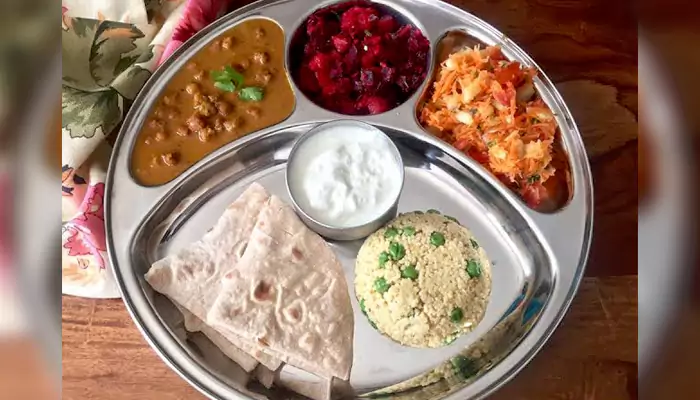
- including more vegetables
- improving protein intake
- reducing ultra-processed foods
- eating diverse meals
- maintaining regular meal timings
can significantly improve long-term health outcomes.
Modern Lifestyle Habits Are Changing Diet Patterns
Urban lifestyles are also influencing nutrition in new ways. Working professionals and students often depend on:
- quick snacks
- online food delivery
- late-night meals
- irregular eating schedules
Health experts say this may contribute to hidden deficiencies even among people who appear healthy externally. This is why conversations around nutrition are now expanding beyond weight loss and fitness trends into broader issues like:
- immunity
- fatigue
- mental focus
- energy levels
Why Preventive Healthcare Is Becoming More Important
India’s healthcare system is increasingly recognising that prevention may be more affordable and sustainable than treatment alone. Nutrition-based health strategies can potentially help reduce risks linked to:
- anaemia
- diabetes
- obesity
- bone weakness
- lifestyle diseases
Experts say public awareness will play a major role in determining how successful such initiatives become.
India’s Next Health Revolution May Begin on the Plate
The SEHAT Mission reflects a growing understanding that health does not begin only in hospitals or clinics, it often begins in kitchens, school meals, and everyday eating habits. As nutrition awareness expands across India, families may increasingly realise that small dietary changes today could influence long-term health far more than they once imagined.

.WEBP)
.WEBP)
.webp)
.WEBP)