Walking After Meals: The Most Underrated February Health Habit
- Soham Halder
- 6 months ago
- 4 minutes read
Why a Post-Meal Walk Is February’s Simplest Wellness Secret!
February in India brings pleasant evenings, lighter sunshine, and that perfect “not too cold, not too hot” weather. It’s the month when stepping outside feels refreshing instead of exhausting.
Yet, while many focus on intense workouts or new fitness challenges, one of the simplest and most powerful health habits often gets ignored, walking after meals.
No gym. No equipment. No complicated routine.
Just you, your steps, and 10–15 minutes.
Let’s explore why post-meal walking might be the most underrated health habit you can start this February.
Why February Is Perfect for Post-Meal Walks
Unlike peak summer or heavy monsoon, February evenings are comfortable in most parts of India. The mild breeze makes short walks enjoyable, not draining.
This makes it easier to build consistency and consistency is where the magic lies.
Instead of sitting immediately after dinner scrolling through your phone or watching television, imagine stepping out for a calm stroll.
It sounds simple. But the benefits are powerful.
Better Digestion, Naturally
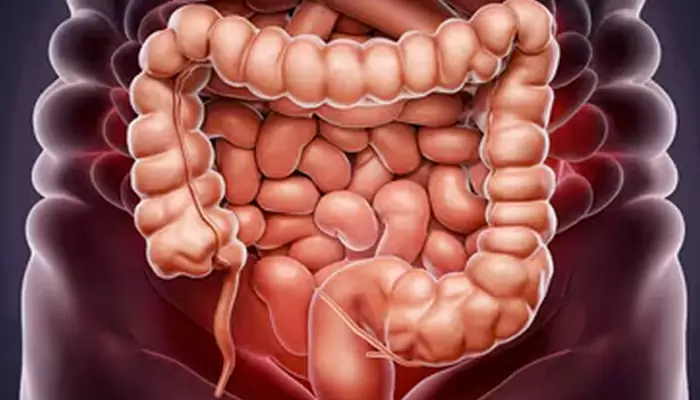
After eating, your body begins the process of digestion. A light walk helps stimulate the digestive system without putting stress on it.
Walking after meals can:
- Reduce bloating
- Ease acidity
- Improve bowel movement
- Prevent heaviness
Indian meals often include rice, roti, lentils, or curries all nutritious but sometimes heavy. A gentle stroll helps your stomach process food more efficiently.
The key word is gentle. This isn’t a power walk. It’s a relaxed pace.
Supports Blood Sugar Control
Post-meal blood sugar spikes are common, especially after carbohydrate-rich meals.
A short walk helps your muscles use glucose more effectively, which may support stable blood sugar levels.
This is especially beneficial for:
- People with prediabetes
- Individuals managing diabetes
- Those experiencing post-meal sluggishness
Instead of feeling sleepy after lunch or dinner, a 10-minute walk can refresh your energy.
Aids in Weight Management
Trying to manage weight doesn’t always require extreme diets or exhausting workouts.
Small habits create sustainable results.
Walking after meals:
- Burns mild extra calories
- Improves metabolism
- Reduces fat storage risk
- Controls unnecessary snacking
When practiced daily, these small calorie burns add up significantly over time.
Think of it as effortless fitness built into your routine.
Improves Sleep Quality
February nights are calm and pleasant, ideal for better sleep.
But heavy dinners and immediate inactivity can disrupt digestion and disturb sleep.
A short post-dinner walk:
- Relaxes the mind
- Supports smoother digestion
- Reduces nighttime discomfort
Many people notice falling asleep faster after adopting this habit.
Supports Heart Health
Light walking improves circulation. Better circulation supports heart health and reduces stiffness after long hours of sitting.
If you work at a desk all day, post-meal walks act as a mini reset for your body.
No high intensity required. Just movement.

Mental Relaxation Bonus
Post-meal walks aren’t just physical, they’re mental therapy too.
- Step outside. Notice the sky. Feel the air. Observe your surroundings.
- It’s a mindful break from digital overload.
- In today’s fast-paced lifestyle, this quiet time helps reduce stress and improves mood.
Sometimes the best conversations with family happen during these walks.
How to Do It Right
Keep these tips in mind:
- Wait 5–10 minutes after eating.
- Walk at a slow to moderate pace.
- Avoid running or intense exercise immediately after meals.
- Aim for 10–20 minutes.
Stay hydrated but avoid excessive water immediately after eating.
If stepping outside isn’t possible, even walking indoors or on the terrace works.
Common Myths
“Walking after meals causes stomach pain.”
Only if you walk too fast or too long. Gentle walking is beneficial.
“It doesn’t make a big difference.”
Small daily habits create long-term impact.
“I already workout in the morning.”
That’s great! But long sitting hours still require movement breaks.
Why This Habit Works in India
Our meals are diverse and sometimes rich. Our workdays are often sedentary. And our evenings are usually screen-heavy.
Post-meal walking fits naturally into Indian family culture. It can become a shared activity between parents, children, grandparents walking together.
It costs nothing. Requires no subscription. And delivers long-term benefits.
Final Thoughts
Health doesn’t always demand dramatic changes.
Sometimes, it starts with small steps, literally.
This February, instead of chasing complicated fitness trends, embrace a habit that’s simple, effective, and sustainable.
Finish your meal. Step outside. Walk calmly. Because sometimes the most underrated habits are the most powerful ones.

.WEBP)
.WEBP)
.webp)
.WEBP)