Hot Showers vs. Skin Barrier: Why It’s Time to Reduce Water Temperature
- Soham Halder
- 6 months ago
- 4 minutes read

Too Hot to Handle? How Steaming Showers Damage Your Skin!
There’s nothing quite like a hot shower, especially on chilly mornings or after a long day. The steam, the warmth, the instant relaxation. For many Indians, a hot bath feels therapeutic.
But here’s the uncomfortable truth: that comforting heat might be quietly damaging your skin.
If you’ve been experiencing dry patches, itching, dullness, or sudden sensitivity, your shower temperature could be the hidden culprit.
Let’s understand why it’s time to turn down the heat.
What Is the Skin Barrier and Why Does It Matter?
Your skin barrier is the outermost layer of your skin. Think of it as a protective shield.
It:
- Locks in moisture
- Protects against pollution
- Keeps bacteria and irritants out
- Maintains skin hydration
In Indian cities where pollution levels are high and weather shifts between extreme heat and dryness, your skin barrier already works overtime.
Now imagine adding very hot water to the mix.
How Hot Showers Damage Your Skin
Hot water strips away natural oils from your skin. These oils are essential for maintaining hydration and protection.
When water is too hot:
- Moisture evaporates quickly
- Natural oils dissolve
- Skin becomes tight and dry
- Sensitivity increases
Initially, you might not notice the damage. But over time, repeated exposure weakens your skin barrier.
This can lead to:
- Flaky skin
- Increased breakouts
- Itchiness
- Redness
- Premature aging signs
That soothing heat? It comes at a cost.
Why Indians Are More Prone to This Damage
In India, many people prefer hot showers year-round, even during mild winters like February.
Add to that:
- Hard water in many cities
- High pollution levels
- Sudden weather transitions
- Air conditioning exposure
All these factors already challenge your skin barrier. Hot water intensifies the stress.
Your skin doesn’t need more aggression, it needs support.
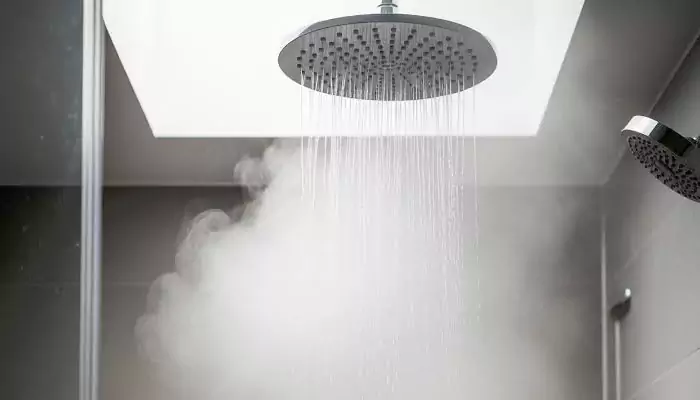
Signs Your Shower Is Too Hot
Ask yourself:
- Does your skin feel tight immediately after bathing?
- Do you rush to apply moisturizer because of dryness?
- Are you experiencing unexplained itching?
- Does your face turn red after showers?
If yes, your water temperature may be too high.
A simple rule: if the water turns your skin pink or red, it’s hotter than necessary.
The Ideal Water Temperature
Dermatologists generally recommend lukewarm water, not cold, not steaming hot.
Lukewarm water:
- Cleanses effectively
- Preserves natural oils
- Maintains skin barrier balance
- Prevents excessive dryness
Aim for a temperature that feels comfortable but doesn’t produce heavy steam.
Your skin should feel relaxed, not shocked.
How to Protect Your Skin Barrier
Reducing water temperature is the first step. But here’s how you can go further:
- Shorten Shower Time
Limit showers to 5–10 minutes. Prolonged exposure increases moisture loss.
- Use Gentle Cleansers
Avoid harsh soaps with strong fragrances. Choose mild, hydrating cleansers.
- Moisturize Immediately
Apply a moisturizer within 3 minutes of stepping out of the shower. This locks in hydration.
- Avoid Over-Exfoliation
Scrubbing aggressively combined with hot water weakens your barrier faster.
- Stay Hydrated Internally
Drink enough water. Skin health starts from within.
But What About Relaxation?
Many people say hot showers help relieve stress and muscle stiffness.
Good news, you don’t have to give that up entirely.
You can:
Use warm (not hot) water
Take occasional hot showers instead of daily
Use steam therapy separately in moderation
Balance is key.
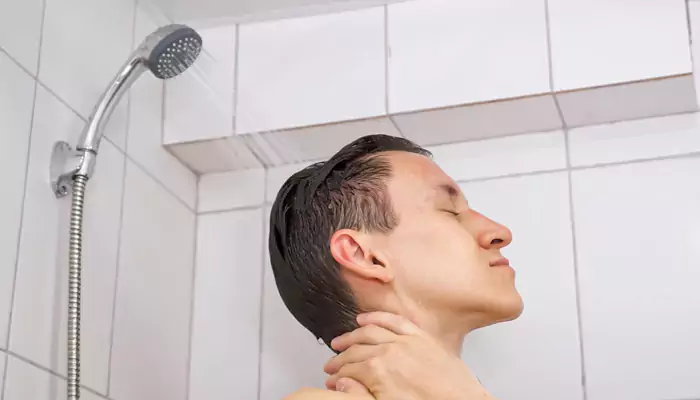
The Long-Term Benefits of Reducing Water Temperature
When you switch to lukewarm showers, you may notice:
- Softer skin
- Reduced dryness
- Fewer breakouts
- Less itching
- Healthier glow
Over months, preserving your skin barrier can slow premature aging and improve overall skin texture.
It’s a small daily habit with big long-term impact.
Final Thoughts
Hot showers feel comforting, especially during cooler months. But comfort shouldn’t compromise skin health.
Your skin barrier works silently every day, protecting you from pollution, harsh weather, and environmental stress.
The least you can do? Avoid stripping it away with excessive heat.
So tomorrow morning, try this: turn the knob slightly lower.
Your skin will thank you, not immediately, but consistently.
Sometimes, glowing skin isn’t about adding more products. It’s about removing harmful habits.
Lower the heat. Protect your barrier. Let your natural glow shine.
.WEBP)
.WEBP)
.webp)
.WEBP)