Cruise Vacation Nightmare? What the Hantavirus Outbreak Teaches About Hidden Health Risks
- Soham Halder
- 4 months ago
- 3 minutes read
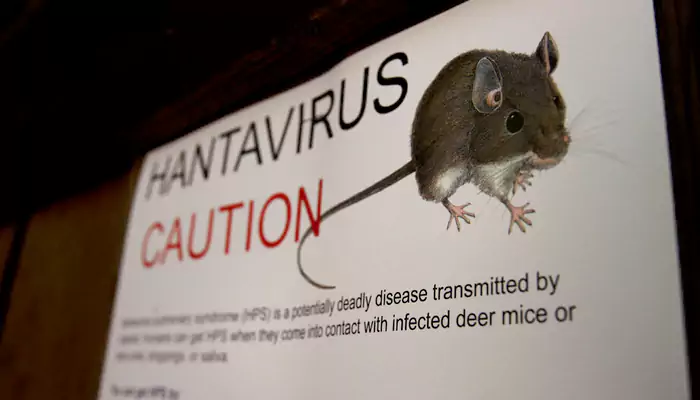
When a Dream Vacation Turns Into a Health Scare!
For many people, cruises represent the perfect escape, beautiful views, luxury experiences, and stress-free travel. But a recent health scare involving a suspected hantavirus outbreak aboard a cruise ship has exposed a side of travel many tourists rarely think about: hidden health risks.
The incident has now sparked global discussion about how quickly illnesses can spread in crowded travel environments and what ordinary travelers should learn from it.
A Rare Virus Linked to Cruise Travelers
Authorities began monitoring passengers after suspected hantavirus exposure connected to the MV Hondius cruise ship. According to reports, health agencies in different regions started tracking travelers who may have been exposed during the journey.
Hantavirus is not a commonly discussed infection, which is partly why the incident drew so much attention online.
Why This Matters Beyond One Cruise Ship
The story highlights an important reality about modern tourism: Travel today often involves:
- Crowded enclosed spaces
- Shared facilities
- Long-duration journeys
- International passenger movement
This creates an environment where illnesses, whether common or rare, can spread more easily if symptoms are overlooked.
What Travelers Should Watch Out For
Health experts say travelers should pay attention to:
- Fever after returning from trips
- Unusual fatigue
- Breathing difficulty
- Persistent flu-like symptoms
Ignoring early symptoms during or after travel can sometimes make health situations worse.
The incident is also increasing awareness around:
- Travel insurance
- Emergency medical access
- Hygiene during long trips
- Reporting symptoms early
Why Cruise Ships Often Face Health Concerns
Cruise ships are especially vulnerable because passengers spend days together in a highly shared environment.
Common risk factors include:
- Shared dining areas
- Group entertainment spaces
- Continuous close interaction
- International passenger mixing
This is why even isolated health incidents can quickly become global headlines.
What Travelers Should Do Now
The goal isn’t to avoid travel, it’s to travel smarter.
Here are practical steps travelers can take:
- Wash hands frequently during trips
- Avoid ignoring sickness during travel
- Keep basic medicines and emergency contacts ready
- Follow travel advisories for specific destinations
- Consider health precautions before boarding cruises or remote expeditions
Prepared travelers usually handle unexpected situations far better.
Closing Note
International travel is booming again, especially cruises and adventure tourism. But the faster the world reconnects, the faster health risks can move too. This outbreak is reminding travelers that safety today isn’t just about passports and luggage, it’s also about awareness and preparedness.
The hantavirus scare aboard the cruise ship may remain a limited event, but its lesson is universal. Vacations should create memories, not emergencies. And in today’s travel landscape, staying informed about health risks has become just as essential as planning the trip itself.

.WEBP)
.WEBP)
.webp)
.WEBP)