UP Fake Honey Seizure Sparks Bigger Question: Can You Really Identify Pure Honey?
- Soham Halder
- 4 months ago
- 3 minutes read

The Honey in Your Kitchen May Not Always Be What It Claims!
Honey has long been considered one of the healthiest ingredients in Indian households. From adding it to warm water in the morning to using it in home remedies for cough and sore throat, millions of families consume honey believing it to be natural, nutritious, and safe. But a recent food safety crackdown in Uttar Pradesh has once again raised concerns about whether all honey products sold in the market are truly pure.
According to reports, officials in Hapur seized nearly 15,000 kg of suspected adulterated honey worth around Rs. 22 lakh during a raid. Samples were reportedly sent for laboratory testing to determine the level of adulteration.
The incident is now sparking a much larger question for ordinary consumers:
Can people really identify pure honey anymore?
Why Honey Adulteration Is a Growing Concern
As demand for “natural” and “healthy” foods rises across India, honey consumption has increased significantly in recent years.
People commonly use honey for:
- immunity boosting
- weight management
- skincare remedies
- fitness diets
- Ayurvedic treatments
This growing demand has also created opportunities for food adulteration.
Experts say adulterated honey may sometimes contain:
- sugar syrup
- artificial sweeteners
- glucose mixtures
- low-quality additives
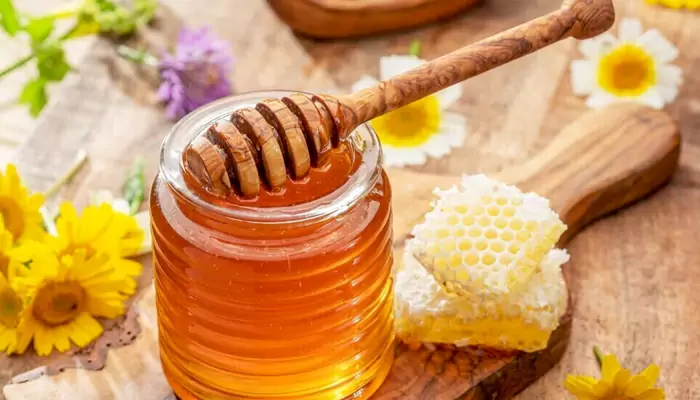
In some cases, products may still look and taste like honey while lacking the nutritional quality consumers expect.
Why Consumers Struggle to Identify Fake Honey
One of the biggest challenges is that identifying pure honey is not always easy through appearance alone.
Many people rely on home tests circulating online, such as:
- checking thickness
- testing in water
- flame tests
- stickiness tests
However, food experts say these methods are not always scientifically reliable. Modern adulteration techniques can make fake or diluted honey appear visually similar to genuine products.
That is why laboratory testing remains the most accurate method for identifying purity and contamination.
What Consumers Can Do to Stay Safer
While consumers may not always detect adulteration at home, experts recommend a few precautions that may help reduce risks:
- Buy From Trusted Sources
- Choosing established brands or certified local sellers may improve product reliability.
- Check FSSAI Information
- Consumers should verify proper packaging labels, manufacturing details, and FSSAI registration information.
Be Careful of Extremely Cheap Products
Very low prices may sometimes indicate compromised quality.
Avoid Blindly Trusting “Natural” Marketing
Terms like “organic,” “raw,” or “pure” on packaging do not automatically guarantee authenticity.
Watch for Unusual Taste or Texture
Though not always conclusive, sudden changes in colour, consistency, or taste may deserve attention.
Why Food Safety Crackdowns Matter
The Hapur seizure also highlights the growing importance of food safety enforcement in India. As processed and packaged food consumption rises, authorities are increasing inspections on products linked to:
- adulteration
- misleading labelling
- unsafe ingredients
For consumers, these crackdowns help improve accountability and public awareness around food quality.
Why This Matters for Health-Conscious Families
Many families consume honey daily believing it supports healthier living.
This becomes especially important for:
- children
- elderly family members
- diabetics
- people using honey regularly for wellness purposes
If products are heavily adulterated with sugar syrups or additives, the health benefits consumers expect may not actually exist.
Trust in Food Is Becoming Just as Important as Taste
The recent seizure in Uttar Pradesh is more than just a food raid story. It reflects a growing challenge facing modern consumers, knowing whether everyday “healthy” products are truly authentic. For families trying to make healthier choices, awareness, careful buying habits, and stronger food safety enforcement may now matter more than ever. Because in today’s food market, purity is no longer something consumers can simply assume.

.WEBP)
.WEBP)
.webp)
.WEBP)