Could This Happen Anywhere? What the Cruise Ship Virus Scare Means for Modern Travel
- Soham Halder
- 5 months ago
- 3 minutes read
A Vacation Story That Turned Into a Global Health Alert!
Cruise holidays are usually associated with luxury, relaxation, and adventure. But a recent virus scare linked to an international cruise ship has become a reminder that modern travel can also carry unexpected health risks. Health authorities are now monitoring passengers after a suspected hantavirus outbreak aboard a cruise vessel triggered international concern.
For travelers, the incident raises a bigger question: in a world connected by flights, cruises, and tourism, could outbreaks like this happen anywhere?
A Rare Virus Triggered International Monitoring
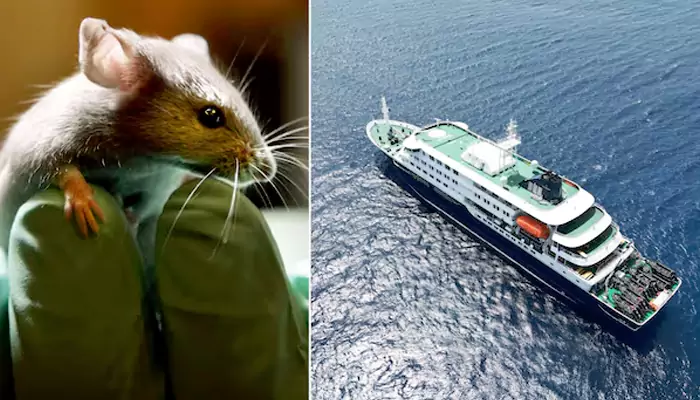
The concern began after suspected hantavirus cases were linked to passengers onboard the cruise ship MV Hondius. According to health officials, travelers from multiple countries later came under monitoring after exposure concerns emerged.
Hantavirus is considered rare, but some forms can become severe and affect the lungs. The situation quickly drew global attention because cruise ships involve large groups of people sharing enclosed spaces for extended periods.
Who Is Affected: Every Traveler in Today’s Connected World
This incident matters beyond one cruise ship because modern travel allows diseases to move rapidly across borders.
The people most affected include:
- International travelers
- Cruise tourists
- Frequent flyers
- Adventure travelers visiting remote areas
- Families traveling in large groups
Even a small health issue onboard can spread concern internationally within days.
What Happens Next: More Monitoring and Travel Awareness
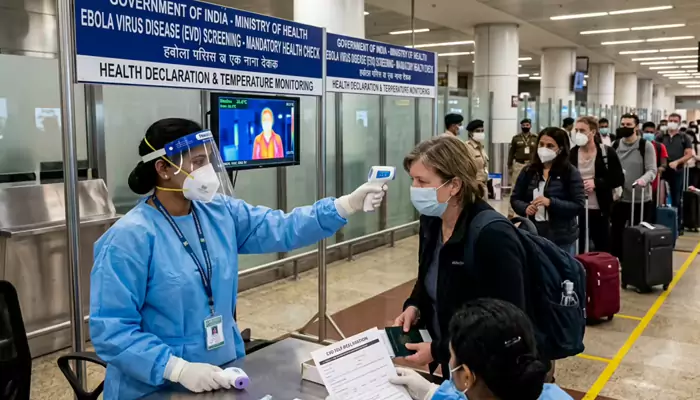
Health agencies are continuing to monitor exposed travelers and track symptoms. The incident may also push travel companies to strengthen:
- Onboard hygiene protocols
- Passenger health screening
- Emergency medical response systems
- Awareness about post-travel symptoms
Travelers themselves may also become more cautious about crowded travel environments.
Why Cruise Ships Face Unique Health Risks
Cruise ships combine several high-risk factors:
- Shared dining and recreation spaces
- Close contact among passengers
- International movement across countries
- Limited isolation options onboard
This is why even rare infections can attract serious attention when linked to cruise travel.
What Travelers Should Learn From This?
The biggest takeaway is not panic, it’s preparedness. Travelers should:
- Pay attention to unusual symptoms after trips
- Maintain hygiene during group travel
- Avoid ignoring fever or breathing problems
- Follow health advisories while traveling internationally
Experts say early reporting of symptoms is critical in preventing larger outbreaks.
Why This Matters Today
Post-pandemic travel has returned strongly, with cruises and international tourism booming again. But this incident highlights a reality many travelers forget: global mobility also means global health exposure.
As travel becomes easier, awareness becomes more important than ever.
Modern Travel Needs Modern Awareness
The cruise ship hantavirus scare may remain limited, but its message is much bigger. In a highly connected world, health risks can travel as quickly as people do. For travelers, staying informed and alert is now just as important as packing tickets and passports.

.webp)
.webp)