The Cost of a Delayed Monsoon: How Mumbai's Water Tanker Price Surge Could Hit Household Budgets
- Soham Halder
- 2 months ago
- 4 minutes read
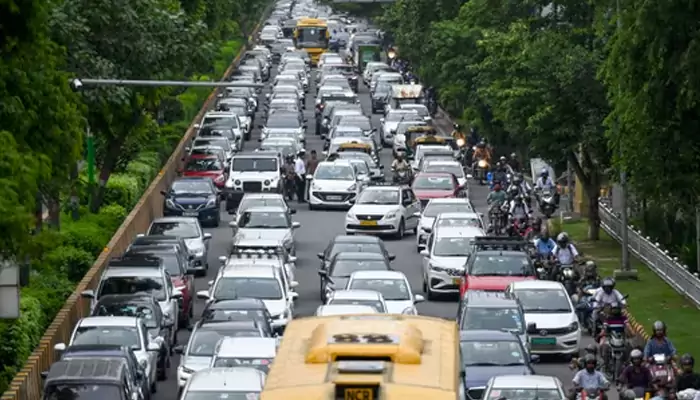
For most Mumbaikars, the arrival of the monsoon is associated with traffic jams, flooded roads, and packed local trains. This year, however, the delayed rains have brought a different concern to the forefront: water scarcity.
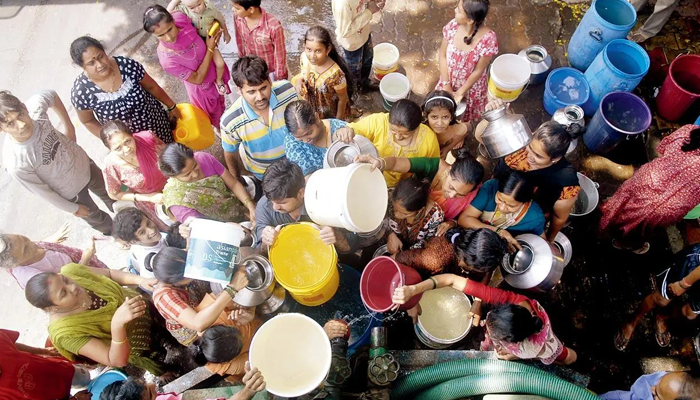
As reservoir levels remain under pressure and demand continues to rise, water tanker prices in Mumbai have reportedly surged by as much as 30%. While the increase may seem like a problem only for housing societies dependent on tanker supplies, its impact could eventually be felt by thousands of households across the city.
The situation serves as a reminder that delayed rainfall is not merely a weather issue, it can have direct consequences for household expenses, urban infrastructure, and everyday life.
Why Are Water Tanker Prices Rising?
The primary reason behind the price increase is a mismatch between supply and demand. Mumbai depends heavily on its reservoirs, which are replenished during the monsoon season. When rains arrive late or below expectations, water availability becomes a concern. At the same time, residential societies, commercial establishments, and construction projects continue to require large quantities of water.
As demand for tanker services rises and supply becomes tighter, prices naturally increase. This pattern is common during periods of water stress, particularly in large urban centers that rely on external water sources.
How Housing Societies Could Feel the Pressure
Many residential complexes in Mumbai supplement municipal water supplies with private tankers. When tanker rates increase, housing societies often face higher operating costs. These additional expenses may eventually affect maintenance charges paid by residents.
For apartment owners and tenants, the impact may not appear immediately. However, if elevated tanker prices persist for an extended period, societies may need to revise budgets or pass on some of the costs to residents. What begins as a water supply issue can therefore become a household financial concern.
Water Scarcity Has Hidden Costs
The effects of water shortages extend beyond tanker bills. Businesses that rely heavily on water may face higher operational expenses. Hotels, restaurants, commercial buildings, and even small service providers could see their costs increase. In some cases, these additional expenses may eventually be reflected in the prices consumers pay.
Water scarcity can also influence construction activity, landscaping, and other sectors that depend on reliable access to water. As a result, the economic impact often spreads much further than many people initially expect.
The Role of the Delayed Monsoon
India's cities have always depended on seasonal rainfall, but growing urban populations have made water management increasingly complex. A delayed monsoon reduces the speed at which reservoirs refill, creating uncertainty about future supply levels. Even a few weeks of delayed rainfall can place additional pressure on municipal systems and private water providers.
For a city as densely populated as Mumbai, water planning becomes particularly important during such periods. The situation highlights how closely urban life remains connected to weather patterns despite advances in infrastructure and technology.
A Reminder About Sustainable Water Use
The current situation also raises broader questions about water conservation. During periods of scarcity, reducing unnecessary water consumption becomes increasingly important. Simple measures such as fixing leaks, using water-efficient fixtures, and avoiding wastage can collectively make a meaningful difference.
Many experts argue that cities must focus not only on securing water supplies but also on improving long-term conservation practices and infrastructure resilience. The goal is to reduce dependence on emergency measures whenever weather conditions become unfavorable.
Final Thoughts
Mumbai's rising water tanker prices illustrate how a delayed monsoon can affect daily life in unexpected ways. What begins as a seasonal weather delay can eventually influence household budgets, maintenance costs, and the broader urban economy.
While residents hope for stronger rainfall in the coming weeks, the current situation serves as a reminder that water remains one of a city's most valuable resources. For households, businesses, and policymakers alike, managing that resource effectively will become increasingly important as urban populations continue to grow.

.webp)
.webp)