GA Rs. 20,000 AI Health Test Suggested Deadly Disease; A Human Doctor Saw Something Else: This Viral Case Shows Why Caution Matters
- Soham Halder
- 2 months ago
- 4 minutes read
Artificial intelligence is becoming increasingly common in healthcare, promising faster diagnoses, personalized recommendations, and early detection of diseases. For many people, these advancements offer hope for more efficient medical care. However, a recent viral case has highlighted an important reality: technology, no matter how advanced, is not infallible.
What happened exactly?
According to reports, a woman underwent an AI-powered health assessment that reportedly suggested she could have pancreatic cancer, one of the most serious forms of cancer. Naturally, the result caused significant concern. However, after consulting a human doctor and undergoing further evaluation, the diagnosis turned out to be different.
Taking to social media, the endocrinologist revealed that the woman was left "visibly distraught" after a luxury clinic's Rs. 20,000 AI package incorrectly flagged the life-threatening illness, forcing her to spend another Rs. 10,000 on medical tests to prove the algorithm wrong. The post has ignited an intense debate across social media regarding the commercialisation of AI in medicine, with social media users split between slamming the flaws of automated diagnostics and pointing out that human doctors are equally prone to error.
The incident has sparked widespread discussion about the growing role of artificial intelligence in healthcare and why human expertise remains essential.
The Growing Appeal of AI in Healthcare
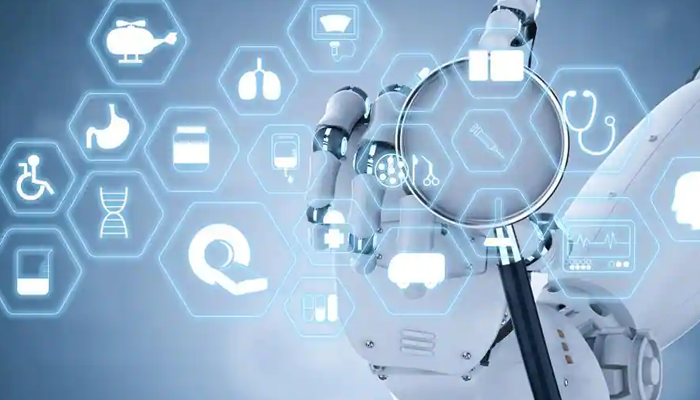
Artificial intelligence is transforming many aspects of medicine. AI systems can analyze large amounts of medical data, identify patterns, and generate insights at a speed that would be difficult for humans to match. Healthcare providers are increasingly using AI-assisted tools for imaging, disease prediction, patient monitoring, and administrative tasks.
Supporters argue that these technologies can improve efficiency and help detect conditions earlier than traditional methods. As a result, consumers are becoming more comfortable using AI-driven health assessments and screening services.
When Technology Creates Uncertainty
The viral case demonstrates one of the biggest challenges associated with AI-based diagnostics: false alarms. Medical assessments often involve interpreting complex information that may not always have a single clear answer. AI systems rely heavily on algorithms and data patterns, but they do not possess the broader clinical judgment that experienced physicians develop through years of practice.
In some situations, this can lead to overly cautious conclusions that identify serious possibilities which later prove inaccurate. For patients, receiving news of a potentially life-threatening illness can create enormous emotional stress, even if subsequent testing shows otherwise.
Why Human Doctors Still Play a Critical Role
While artificial intelligence can assist medical decision-making, healthcare professionals remain responsible for interpreting results within a broader context.
Doctors consider factors such as medical history, physical examinations, symptoms, lifestyle, family history, and additional test results before reaching conclusions. This comprehensive evaluation helps reduce the risk of misinterpretation.
Human judgment also allows physicians to recognize nuances that algorithms may overlook. The recent case serves as a reminder that AI should be viewed as a support tool rather than a replacement for medical expertise.
The Importance of Seeking a Second Opinion
One of the most valuable lessons from the incident is the importance of verification. Whether a diagnosis comes from an AI platform or even a medical professional, seeking additional evaluation can sometimes provide clarity. Complex medical conditions often require multiple tests and expert opinions before a definitive diagnosis is reached.
Patients who receive unexpected or alarming results should avoid making assumptions based on a single report. Consulting qualified healthcare professionals remains the safest approach.
Finding the Right Balance Between Technology and Trust
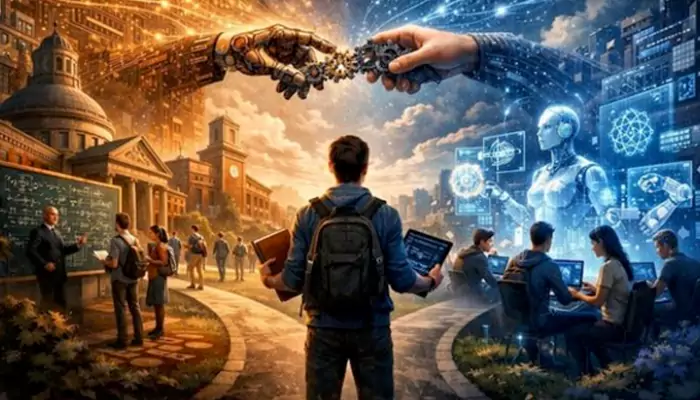
The future of healthcare will likely involve greater collaboration between humans and machines. AI has the potential to improve efficiency, reduce workloads, and identify patterns that might otherwise be missed. However, successful healthcare depends not only on data analysis but also on communication, empathy, judgment, and context.
Rather than viewing AI and doctors as competing forces, many experts believe the most effective approach combines the strengths of both. Technology can provide valuable insights, while human professionals can ensure those insights are interpreted responsibly.
Final Thoughts
The viral case involving a Rs. 20,000 AI health tests serve as an important reminder that technology should complement, not replace professional medical care. While artificial intelligence can be a powerful tool, no system is perfect, particularly when dealing with complex health conditions.
For patients, the lesson is clear: use AI-driven assessments as a source of information, not a final verdict. When it comes to serious medical concerns, human expertise, further testing, and informed clinical judgment remain essential for making the right diagnosis and ensuring the best possible outcomes.

.webp)
.webp)