Bird Flu Scare in Maharashtra: Should You Be Worried About Eating Chicken and Eggs?
- Soham Halder
- 5 months ago
- 3 minutes read
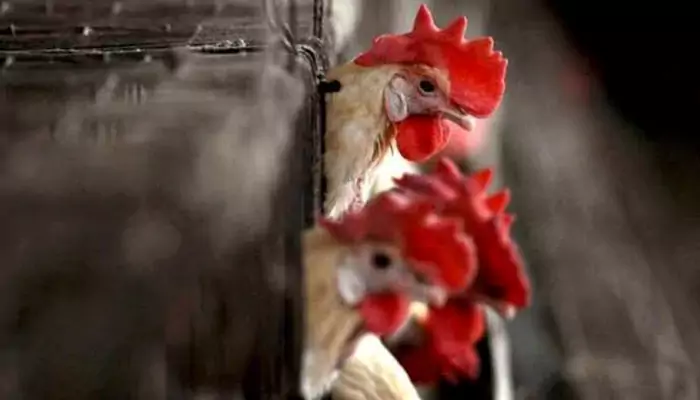
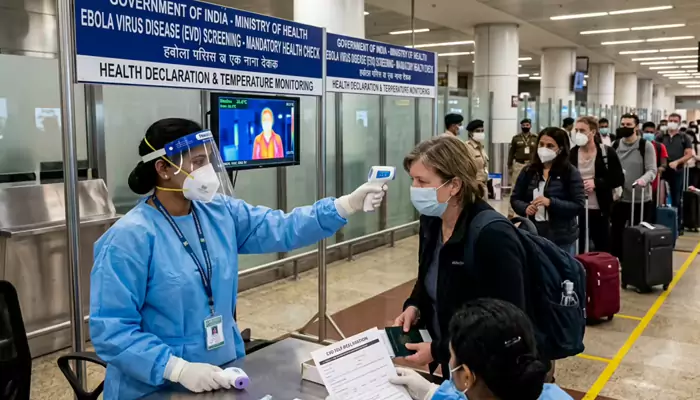
Reports of suspected human bird flu cases in Maharashtra’s Navapur region have once again brought public attention back to food safety and outbreak fears. According to reports, health authorities began screening frontline workers involved in poultry culling operations after concerns linked to avian influenza exposure emerged in the district.
As the news spread online, many consumers immediately began asking a familiar question, is it still safe to eat chicken and eggs?
Health experts say awareness is important, but panic-driven food avoidance is usually unnecessary when proper precautions are followed.
What Is Bird Flu?
Bird flu, also known as avian influenza, is a viral infection that mainly affects birds and poultry. In some cases, humans can become infected through:
- direct contact with infected birds
- exposure during poultry handling or culling operations
Experts say this is why frontline workers in outbreak zones are often monitored carefully. Human infections remain relatively uncommon and usually involve close exposure to infected animals rather than casual food consumption.
Is It Safe to Eat Chicken and Eggs?
Health experts say properly cooked chicken and eggs are generally considered safe to consume. Doctors advise people to ensure:
- poultry products are cooked thoroughly
- raw meat is handled hygienically
Experts explain that high cooking temperatures destroy viruses effectively. Food safety professionals also recommend avoiding:
- raw or undercooked eggs
- improperly stored poultry products
during any outbreak-related alert.
Authorities usually impose restrictions and monitoring in affected poultry zones to reduce public risk further.
Why Bird Flu News Creates So Much Anxiety
Outbreak headlines now trigger stronger public reactions because of the emotional impact left behind by Covid-19. Many people associate:
- health alerts with lockdown fears
- animal-related outbreaks with food safety concerns
Social media also plays a major role in amplifying panic. Experts say rumours and misleading forwards often spread faster than verified medical guidance during outbreaks.
This can lead to sudden drops in poultry sales even in regions far away from the affected areas.
Why Authorities Are Monitoring Frontline Workers
The current screening efforts are mainly focused on people directly involved in handling infected poultry. These workers may face higher exposure risks because of:
- close physical contact with birds
- participation in culling operations
Health experts say surveillance and testing help authorities identify potential infections early and prevent wider spread. Such monitoring is considered a standard public health response during avian flu outbreaks.
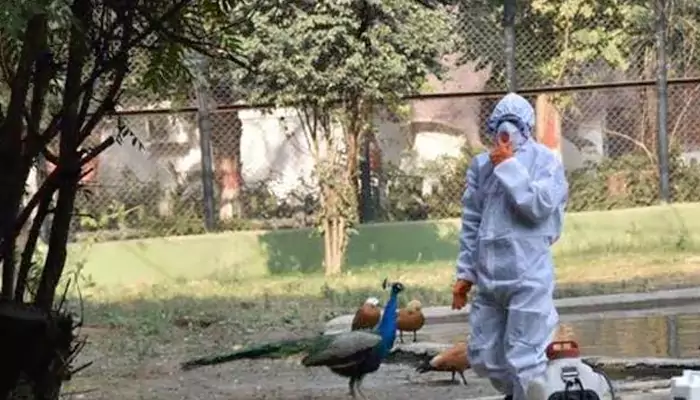
Simple Precautions Experts Recommend
Doctors and food safety experts advise consumers to remain cautious but calm. They recommend:
- washing hands after handling raw poultry
- cooking meat and eggs completely
Experts also suggest buying poultry products from trusted and hygienic sources.
People should avoid spreading unverified social media claims that may create unnecessary fear.
Bird Flu Fears Often Affect Farmers Too
Poultry farmers and local businesses are usually among the first to feel the economic impact of outbreak fears.
- Even limited outbreaks can trigger:
- sudden drops in consumer demand
financial pressure on poultry sellers
Experts say balanced public awareness is important to prevent panic-based reactions that harm livelihoods unnecessarily.
Closing Note: Awareness Matters More Than Panic
The suspected bird flu cases in Maharashtra are being monitored carefully by health authorities, and frontline screening efforts are already underway. Experts say ordinary consumers should focus on hygiene, proper cooking practices, and verified health information rather than fear-driven assumptions.
In a post-Covid world, outbreak news may naturally create anxiety. But medical experts continue to stress that informed precautions, not panic, remain the best response for the public.

.webp)
.webp)