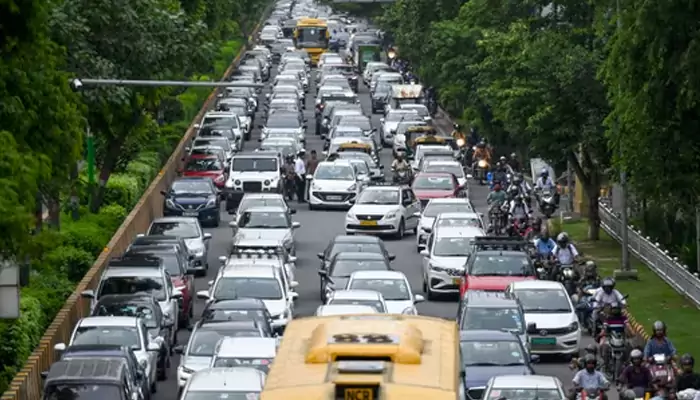
No More Stopping at Toll Booths? How MLFF Technology Could Save Time for Daily Commuters
- Soham Halder
- 4 months ago
- 3 minutes read
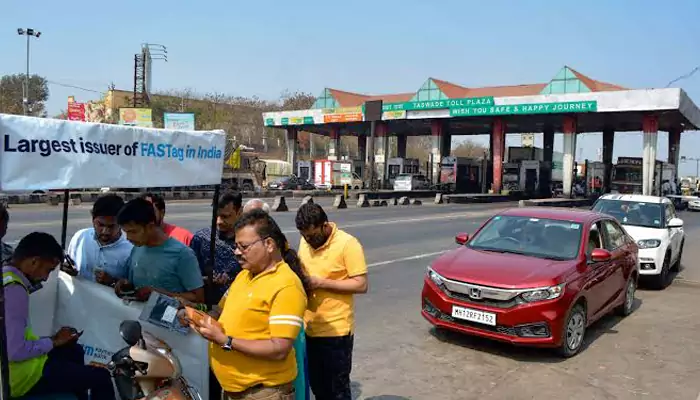
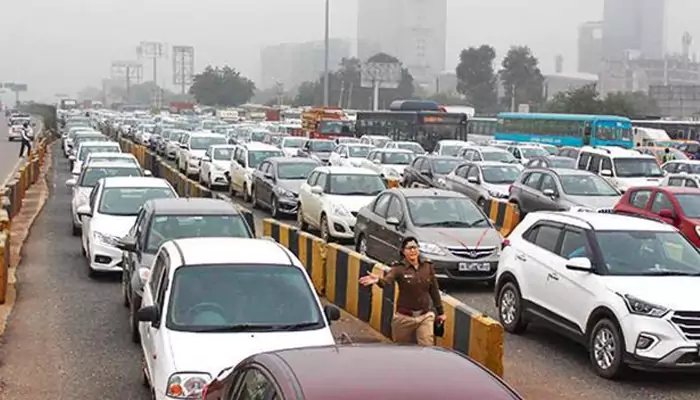
For years, long queues at toll plazas have been one of the most frustrating parts of highway travel in India. Whether it is office commuters entering cities daily or families heading out on road trips, waiting at toll booths often adds stress, delays, and fuel costs to the journey.
Now, the government is planning to introduce AI-based Multi-Lane Free Flow (MLFF) toll systems along with special FASTags for exempt vehicles, aiming to make highway travel smoother and faster. The proposed system could eventually allow vehicles to cross toll roads without stopping at physical booths, using automatic digital toll collection technology instead.
For many commuters, this may completely change the highway travel experience.
What Is MLFF Technology?
MLFF, or Multi-Lane Free Flow, is a toll collection system where vehicles are charged automatically while moving on highways. Instead of stopping at toll gates, the system uses:
- AI-based vehicle tracking
- FASTag-linked automatic payments
Experts say cameras and sensors identify vehicles digitally and deduct toll charges electronically. The idea is to reduce congestion and improve traffic flow on busy highways.
Why Daily Commuters May Benefit the Most
For people travelling regularly between cities for work, toll delays often become a daily frustration. Experts believe MLFF systems could help:
- reduce travel time significantly
- lower fuel wastage during traffic jams
Frequent stopping and restarting near toll booths also increase driving fatigue, especially during peak hours. If implemented efficiently, commuters may experience smoother and more predictable journeys.
For office-goers travelling between NCR cities, industrial corridors, or suburban regions, even saving 15 to 20 minutes daily could make a noticeable difference.
Less Waiting Could Also Mean Lower Fuel Consumption
Long toll lines do not just waste time, they also increase fuel consumption. Vehicles stuck in queues often continue running engines while waiting.
Experts say smoother toll movement may help:
- reduce unnecessary fuel burning
- improve traffic efficiency on highways
For families already dealing with rising fuel prices, this may become an additional financial benefit.
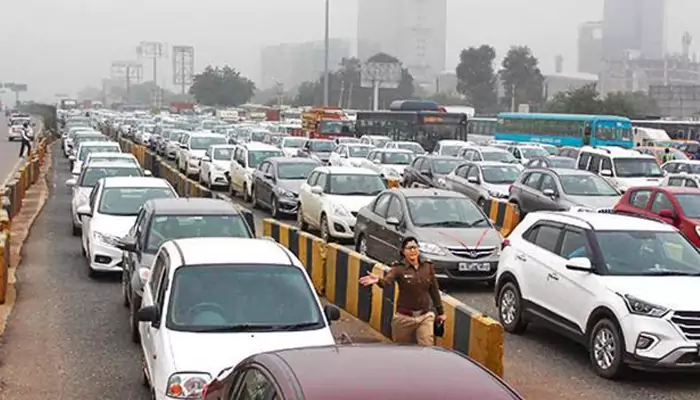
Highway Travel Culture Could Gradually Change
Travel experts say India’s highways are slowly moving toward smarter infrastructure systems. Barrier-free tolling could eventually make:
- long-distance travel less exhausting
- road trips more convenient
Commercial transport and logistics sectors may also benefit from faster vehicle movement. However, experts caution that successful implementation will depend heavily on technology reliability and public awareness.
Closing Note: A Future With Less Highway Stress?
For millions of Indians, toll booths have long symbolised traffic, delays, and travel frustration. The shift toward AI-powered MLFF systems suggests the government wants to modernise highway mobility and reduce those daily inconveniences. If implemented smoothly, commuters may eventually spend less time waiting at toll plazas and more time actually reaching their destinations.

.webp)
.webp)