
The capture of Fort William set the stage for the Battle of Plassey
Before the British regime in India, the Mughals had ruled over the subcontinent...

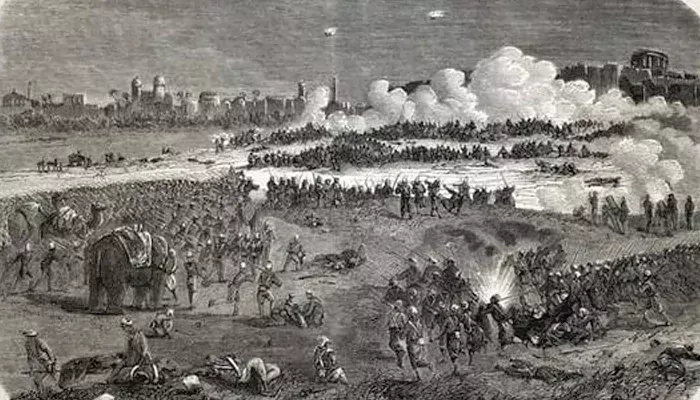
From Battle to Empire: The Story of Panipat 1526! History often turns on a single moment, a decision, a battle, or a leader’s vision. One such defining event took place on April 21, 1526, when Babur defeated Ibrahim Lodi in the First Battle of Panipat. This victory didn’t just end a rule; it marked the beginning of the powerful Mughal Empire in India. Let’s revisit this historic clash that changed the course of Indian history forever. The Background: A Struggle for Power In the early 16th century, North India was under the rule of the Delhi Sultanate, led by Ibrahim Lodi. However, his leadership faced dissatisfaction among nobles and regional rulers. Meanwhile, Babur, a Central Asian ruler with ambitions of expanding his territory, saw an opportunity. Invited by some factions within India, Babur marched towards Delhi with a clear goal to establish his rule. The Battle That Changed Everything The ...
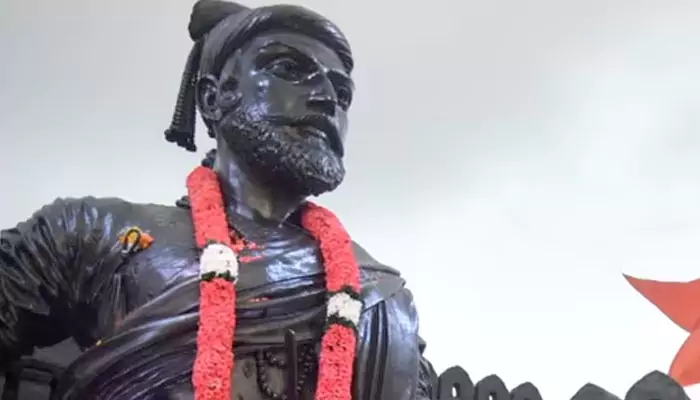
From Battle to Empire: The Story of Panipat 1526! History often turns on a single moment, a decision, a battle, or a leader’s vision. One such defining event took place on April 21, 1526, when Babur defeated Ibrahim Lodi in the First Battle of Panipat. This victory didn’t just end ...
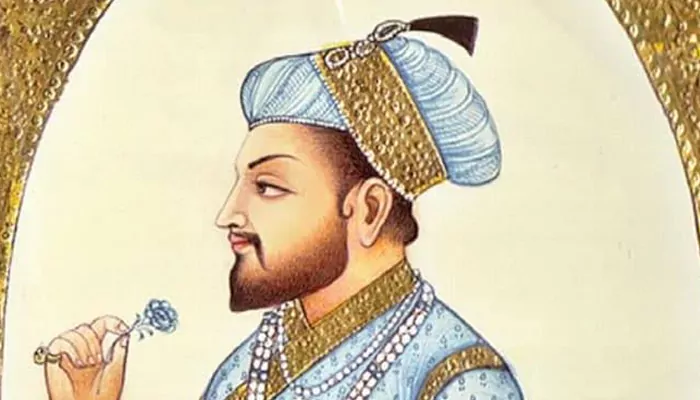
From Battle to Empire: The Story of Panipat 1526! History often turns on a single moment, a decision, a battle, or a leader’s vision. One such defining event took place on April 21, 1526, when Babur defeated Ibrahim Lodi in the First Battle of Panipat. This victory didn’t just end ...

From Battle to Empire: The Story of Panipat 1526! History often turns on a single moment, a decision, a battle, or a leader’s vision. One such defining event took place on April 21, 1526, when Babur defeated Ibrahim Lodi in the First Battle of Panipat. This victory didn’t just end ...





















buzztribe.news is our initiative through which we wish to create a journalistic impact that acts as the foundation of an informed and happy society. In a world that’s changing fast, joy is fleeting, and the news is disturbing, we bring you your daily dose of buzzworthy news that has the “joy of knowledge” and the “happiness in truth” at its core.
More from Buzztribe News
Get in Touch
39A,
Shanti Kunj Main, Sector D,
Vasant Kunj,
New Delhi
110070
India