Union Budget 2026-27 : ₹12.2 Lakh Crore Capex - Which Cities Win in the New "City Economic Regions" Plan?
- Devyani
- 6 months ago
- 3 minutes read
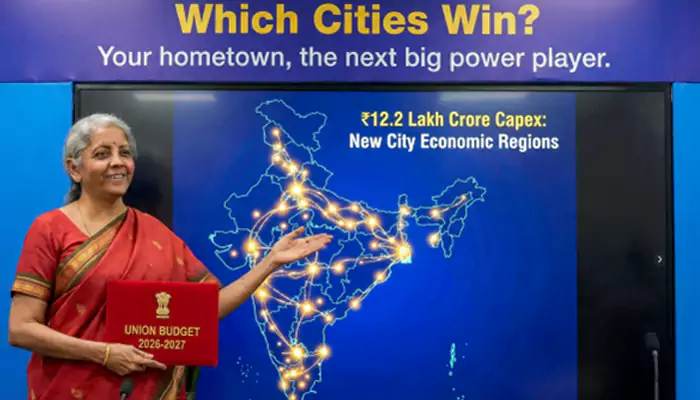
The Finance Minister just drew a new map of India, and for once, it doesn't just circle the usual metros. Here is why your hometown might be the next big power player.
The "Metro" Obsession is Finally Over
I have been covering budgets for two decades, and usually, the infrastructure story is a broken record: Delhi gets a corridor, Mumbai gets a bridge, and everyone else gets a polite nod. But yesterday felt different. When the Finance Minister dropped the figure - ₹12.2 lakh crore for capital expenditure - it wasn't the size of the wallet that caught my eye. It was where the money was headed.
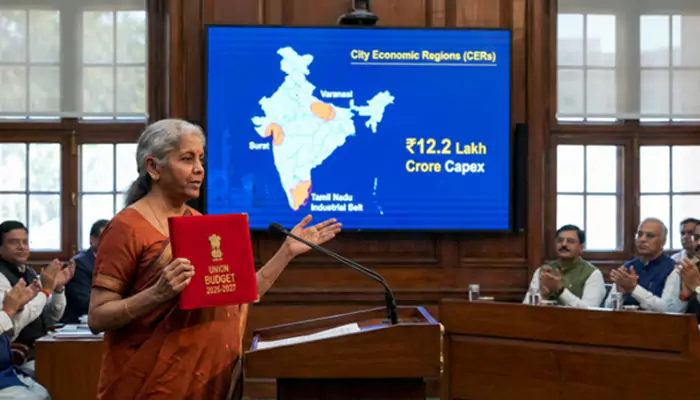
For the first time, we aren't just talking about "Smart Cities" (a term that, let's be honest, has lost some of its shine). We are talking about "City Economic Regions" (CERs). And if you live in Surat, Varanasi, or the industrial belt of Tamil Nadu, you might want to pay attention.
The "Cluster" Gamble
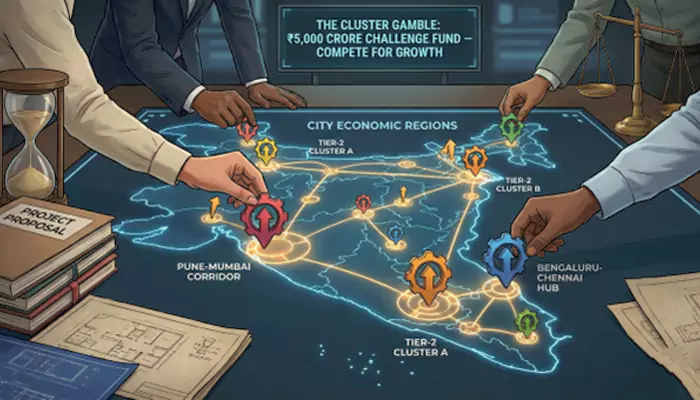
The government seems to have realized that cities don't grow in isolation; they grow in clusters. The new plan identifies specific zones - City Economic Regions - and throws a distinct challenge: compete for the cash.
We are looking at an allocation of ₹5,000 crore per region over five years. It’s not "free money"; it’s "challenge mode" money. This reminds me a bit of the early 2000s IT boom, where competition between states drove growth, but this time, it’s hyper-local.
The winners list is fascinating. You have the expected heavy hitters like Pune and Bengaluru (which frankly needs every rupee it can get to fix its traffic). But the real story is in the Tier-2 pairings.
The New Power Triangles
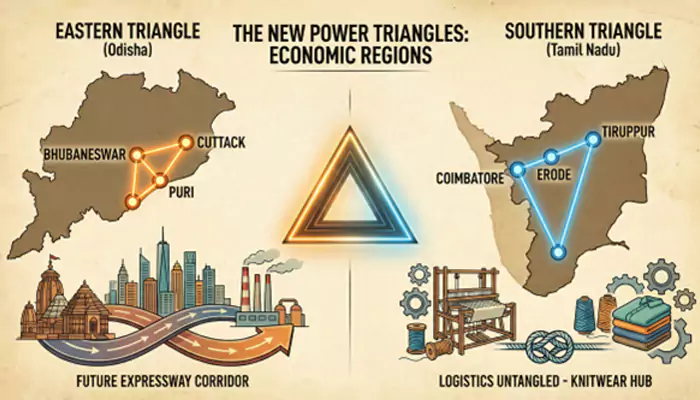
The specific call-out of the Bhubaneswar-Puri-Cuttack tricity is a masterstroke. Anyone who has driven down that stretch in Odisha knows the potential is massive, but the connectivity has always been... well, patchy. By formalizing this as a single economic region, the Budget is essentially trying to create an eastern counterpart to the Pune-Mumbai expressway corridor.
Then there’s the Coimbatore-Erode-Tiruppur belt. As someone who buys textiles, I know this region is the engine room of India’s knitwear. Giving it a formal "Economic Region" tag isn't just bureaucratic labeling; it’s a signal to investors that the logistics knot there is about to get untangled.
Why "12.2 Lakh Crore" Isn't Just a Number
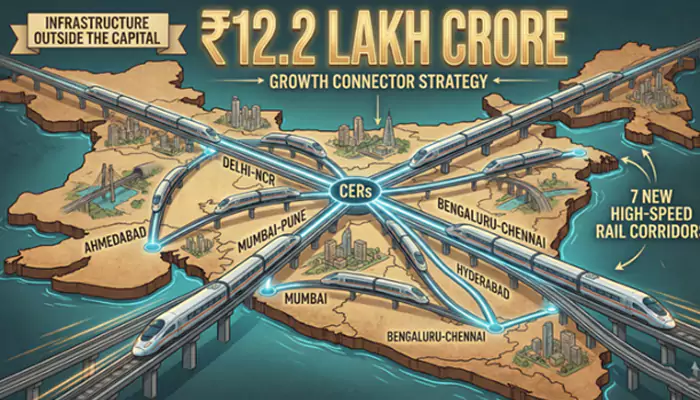
Let’s step back for a second. ₹12.2 lakh crore is a staggering amount of money - up from ₹11.2 lakh crore last year. But numbers on a spreadsheet are dry.
What this actually means is that the government is betting the house on infrastructure outside the capital. It’s a "growth connector" strategy. The mention of seven new high-speed rail corridors to link these CERs suggests that the plan isn't just to fix the cities, but to stitch them together.
A Note of Caution
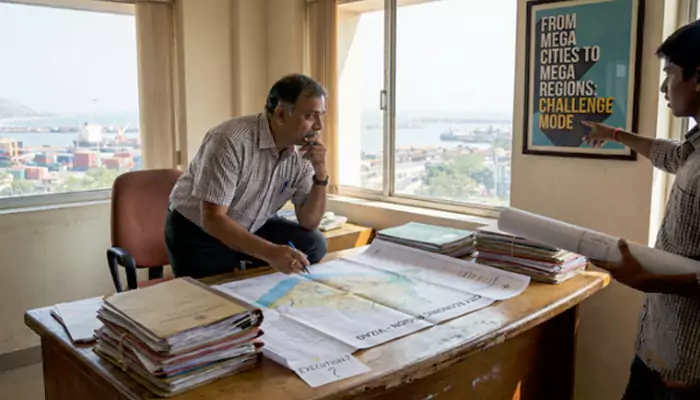
However, I have seen enough ambitious plans to know that the devil is in the execution. "Challenge mode" sounds great on paper, but it requires municipal corporations to actually draft coherent plans. Can the municipal body in Varanasi or Visakhapatnam go toe-to-toe with a global consultancy firm to draft these proposals? That remains to be seen.
It seems we are moving away from "Mega Cities" to "Mega Regions." It’s a subtle shift, but a critical one. If this works, the next decade won't be about moving to Mumbai to make it big. It might be about staying in Vizag and watching the world come to you.
.webp)
.webp)
.webp)
.webp)