
Ramadan Beyond Religion: Why Even Non-Fasters Are Trying This Month-Long Reset
- Soham Halder
- 6 months ago
- 4 minutes read
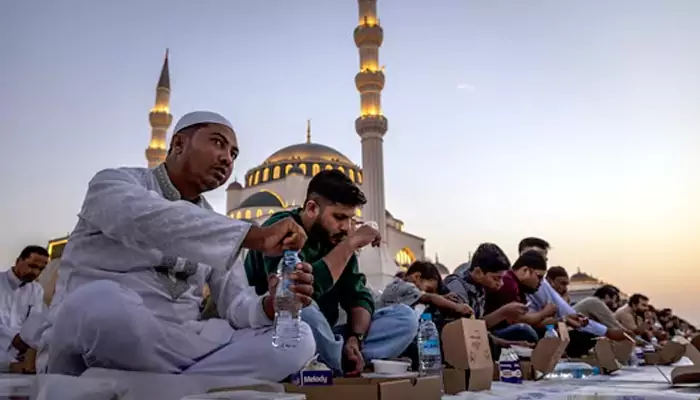
The 30-Day Reset: Why Ramadan Is Inspiring a Global Lifestyle Shift!
Ramadan has always been a sacred month of fasting, prayer, and reflection for Muslims across India and the world. But in recent years, something interesting has happened. Even people who don’t observe the religious fast are inspired by the structure, discipline, and mindfulness that Ramadan brings.
So what’s drawing non-fasters toward this month-long reset?
The answer lies beyond religion. It’s about rhythm, restraint, and recalibration.
A Built-In Digital Detox
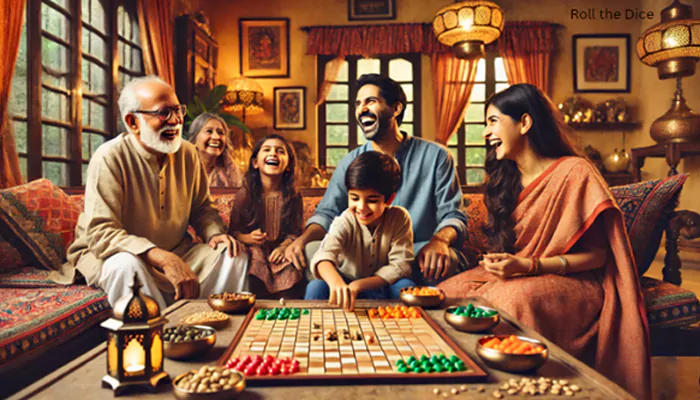
One of the biggest reasons people are attracted to the Ramadan lifestyle is the conscious slowing down. During this month, evenings are centred around family meals, prayer, and gratitude rather than scrolling endlessly on phones.
In today’s hyper-connected India, where screen time often crosses healthy limits, the idea of structured breaks from digital noise feels refreshing. Some non-fasters choose to adopt “Ramadan-style” discipline limiting social media, avoiding unnecessary entertainment, and dedicating time to reflection.
It becomes less about abstaining from food and more about detoxing distractions.
The Appeal of Structured Discipline
Let’s admit it, most of us struggle with consistency. Whether it’s waking up early, eating mindfully, or practising gratitude, routine often fades after a few days.
Ramadan offers a ready-made structure: early mornings, intentional meals, specific times for reflection, and nightly wind-down rituals. That rhythm appeals to many Indians who are searching for better self-control in an otherwise chaotic schedule.

Non-fasters may not abstain from food, but many adopt habits like:
- Eating only home-cooked meals
- Avoiding junk food
- Practising mindful eating
- Setting fixed sleep schedules
It’s discipline with purpose and that’s powerful.
The Science of Reset
There’s also growing curiosity about the health aspect. Intermittent fasting has become popular in India’s wellness circles, and Ramadan resembles a natural version of time-restricted eating.
When done responsibly, fasting can:
- Improve insulin sensitivity
- Encourage fat metabolism
- Reduce mindless snacking
Even those who don’t fast fully may try shorter fasting windows inspired by Ramadan’s pattern.
But beyond physical health, many are drawn to the emotional reset. A month dedicated to self-restraint encourages people to examine habits, what they consume, how they react, and where they spend energy.
Mindfulness in Everyday Living
Ramadan places strong emphasis on gratitude and empathy. Fasting reminds observers of hunger and cultivates compassion for those less privileged.
In urban India, where life moves fast and stress levels are high, this practice of conscious gratitude feels grounding. Non-fasters often adopt daily gratitude journaling, charity initiatives, or mindful consumption during this period.
It becomes a collective reminder that life isn’t just about productivity, it’s about purpose.
Community Energy Is Contagious
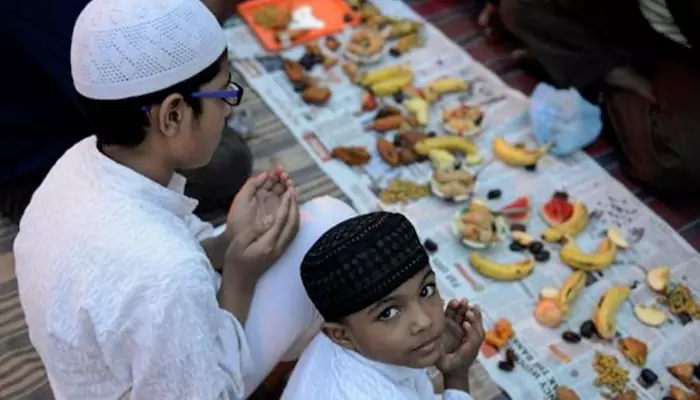
There’s also the social element. In India, Ramadan evenings are vibrant markets glow with lights, homes fill with the aroma of iftar dishes, and communities gather.
Even those who don’t fast feel the warmth of shared energy. Invitations to iftar dinners create cultural exchange and unity. This inclusivity naturally draws people in.
When an entire community shifts its pace for a month, it’s hard not to feel inspired.
Breaking the “All or Nothing” Mindset
Another reason non-fasters experiment with Ramadan-inspired habits is the realisation that you don’t have to follow everything to benefit from something.
You might not fast from sunrise to sunset, but you can:
- Fast from negativity
- Fast from gossip
- Fast from impulsive spending
- Fast from processed food
This idea of selective restraint resonates strongly with Gen Z and millennials who prefer flexible approaches to lifestyle changes.
A Spiritual, Not Just Religious, Pause
While Ramadan is deeply rooted in Islamic faith, its core themes self-control, reflection, gratitude, and charity are universal values.
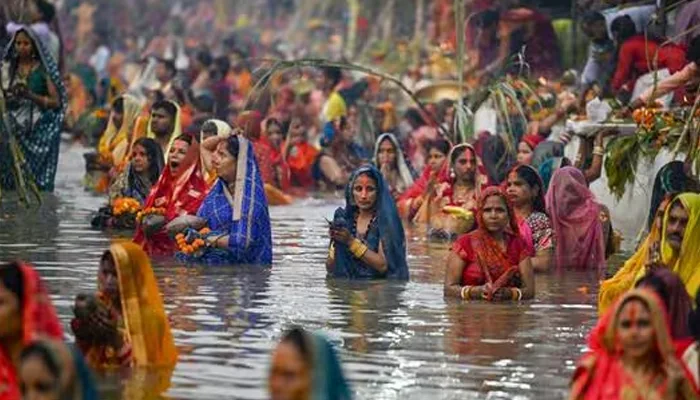
India is home to diverse traditions that also encourage fasting and spiritual discipline, from Navratri to Ekadashi. So the idea of a month dedicated to personal reset isn’t unfamiliar.
Ramadan simply offers a globally visible framework for something humans have practised for centuries: pause, reflect, and restart.
Ramadan’s growing influence beyond religious boundaries tells us something important. In a world overloaded with speed, noise, and constant consumption, people crave intentional living.
This month-long reset isn’t just about hunger, it’s about awareness. It invites people to examine what they truly need versus what they habitually consume.
Whether you fast or not, Ramadan offers a gentle question:
What would happen if you slowed down for 30 days?
For many Indians today, that question alone is worth exploring.





.webp)