On This Day in 1911: Why the British Moved India's Capital from Kolkata to Delhi - The Real Reasons Behind the Historic Shift
- Devyani
- 3 months ago
- 3 minutes read
On December 12, 1911, King George V stunned India by declaring Delhi, not Calcutta, as the new imperial capital.
Picture the chaos and grandeur in the 1911 Delhi Durbar - white tents dotting the fields, viceroys, maharajas, and British officers gathered, all eyes fixed on the royal dais. King George V and Queen Mary made history, not just for being the only British monarchs to visit colonial India, but for pulling off a surprise that rippled across continents: the official transfer of British India’s capital from bustling colonial Calcutta to the ancient, storied city of Delhi.
Why Move the Capital? Not Just For Show
Popular schoolbook answers tend to cite Delhi’s “central location” or nod to its past as a seat of great empires. True - Delhi had been the heart of Mughal power, a magnet for earlier dynasties, its ruins whispering legends and conquests.
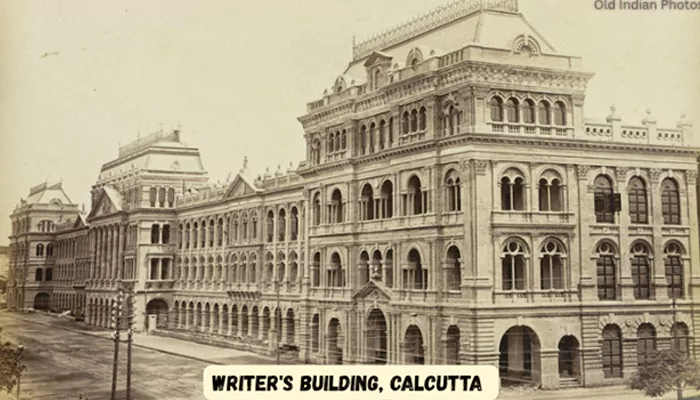
When Calcutta was the Capital of British India
(@kolkatazzz/Instagram)
But scratch beneath the surface, and you’ll find more. By 1911, Kolkata wasn't just crowded on streetcars and along the ghats; it was simmering. After the 1905 partition of Bengal, the city became India’s protest capital, alive with revolutionary groups, anti-British rallies, and a press that skewered the Raj at every turn. For the British, ruling from Kolkata was getting tricky - too close to the heat for comfort.
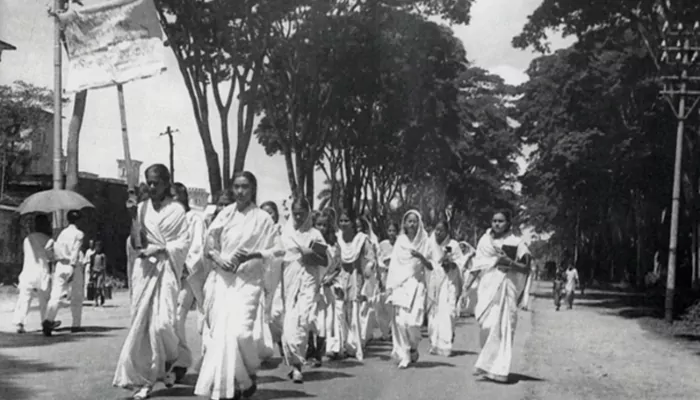
Bengal Protests after Partition
(The Wire)
Delhi: Political Gamble or Strategic Genius?
Delhi, meanwhile, resonated with legacy - Mughals, Tomars, Tughlaqs had all held sway here. For the empire, it was a public-relations coup: align the British Raj with Delhi’s long line of rulers and stamp their claim on Indian history. But the real clincher? Geography. Sitting astride trade routes, easier access to the Punjab, the Northwest Frontier, and northern India made Delhi an ideal launchpad for military and political control - especially with rumblings beyond the border.

Centre Council House (Old Parliament House) under British Raj, Delhi
(Scroll.in)
The move helped the Raj distance itself from Bengal’s nationalist fires while making the imperial seat less remote from the rest of British India. As a bonus, it let the British launch grand construction plans (like Lutyens’ Delhi), a hard reset to signal power, permanence, and imperial flair.
Imperial Optics and Unexpected Consequences
During the British Raj, "Civil Lines" were segregated residential areas built for senior British civilian officers and their families in the Capital City of Delhi, separate from military and local populations. These neighborhoods were sometimes called "White Towns.
(@sikkawala/Instagram)
Of course, the shift wasn’t instant. Construction of New Delhi would stall through two decades of funding woes and World War I delays, finally completed in 1931. Yet the impact was immediate: moving the capital didn’t silence Bengal’s protests - in some ways, it fueled them, hardening the resolve of India’s independence movement. The spectacle of the Durbar became a symbol - of British control, yes, but also of growing Indian resistance galvanized by the pomp and the presence.
Today, Delhi’s government buildings and wide boulevards stand as reminders of an imperial gamble - one born out of both fear and vision. That day in 1911 changed India’s map, but also its story, turning the capital shift into both an emblem of colonial might and a surprising spark for resistance.