On This Day (Feb 13): World Radio Day - The UN Radio Origin Story That Made This Date Iconic
- Devyani
- 8 months ago
- 4 minutes read
Video didn’t kill it, and the internet couldn’t bury it. Here is why the "ghost in the machine" is still the world’s loudest whisper.
There is a specific kind of magic in the static. You know the sound. It’s that scratchy, white-noise search between stations before a voice suddenly cuts through the ether, clear and immediate.
It is February 13. Depending on your calendar, it might look like just another Friday (or Thursday, I lose track), but in the world of broadcasting, this is hallowed ground. It is World Radio Day. And if you are anything like me, your knee-jerk reaction might be, "Radio? In 2026? Isn't that a bit... quaint?"
We live in an era of on-demand everything.
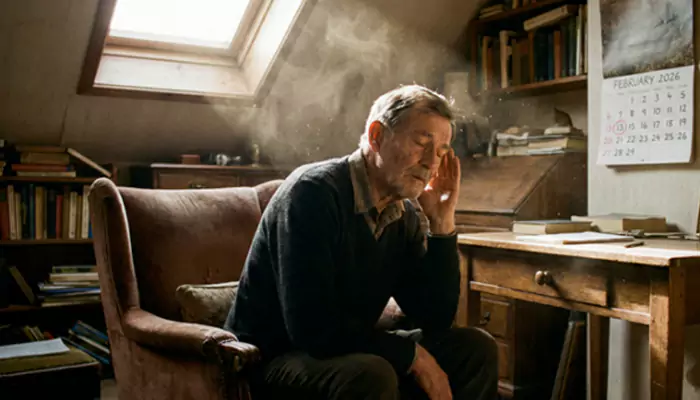
We have algorithms that predict our mood before we do. Yet, radio refuses to die. In fact, I’d argue it is the only medium that has retained its soul while everything else turned into "content."
The "1946" Connection
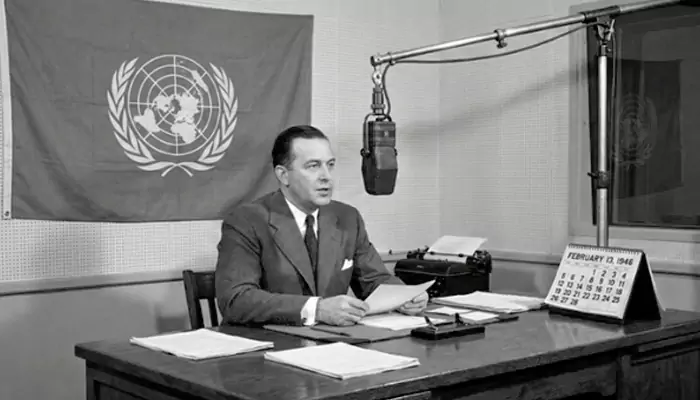
So, why February 13? It feels arbitrary, doesn't it? You might guess it marks the day Marconi first sent a signal across the Atlantic, or perhaps the day the first commercial jingle got stuck in someone's head.
It isn't. The date is actually a nod to a very specific moment in geopolitical history.
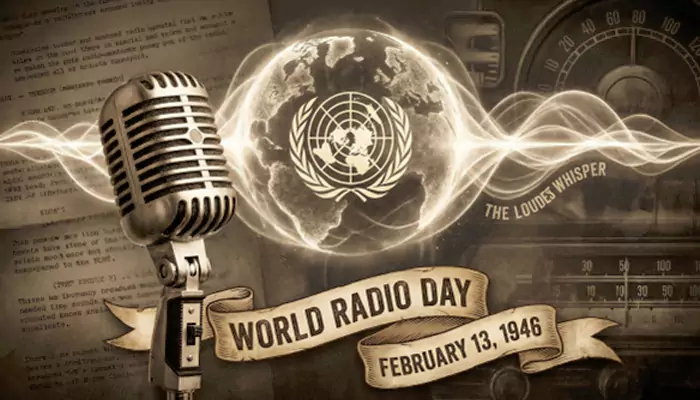
On February 13, 1946, a voice crackled over the airwaves stating, "This is the United Nations calling the peoples of the world."
It was the launch of United Nations Radio.
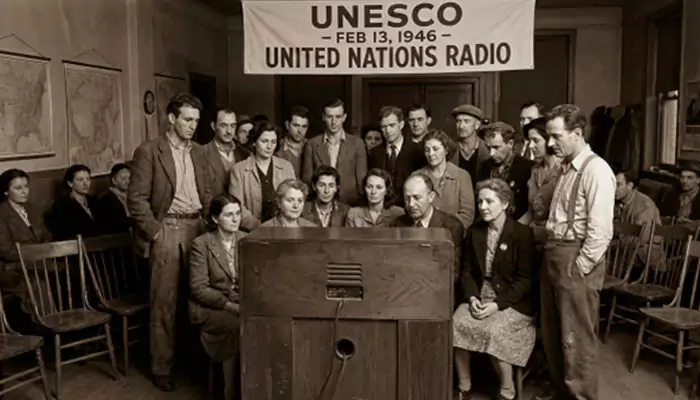
Context is everything here. The world was just barely catching its breath after the devastation of World War II. We didn't have Twitter threads or 24-hour news cycles. We had the wireless. Establishing a global radio service wasn't just a technical flex; it was a desperate, hopeful attempt to use the airwaves for peace rather than propaganda.
UNESCO chose this date to honor that ambition - the idea that a disembodied voice could bridge a divide that politics couldn't.
The Theatre of the Mind
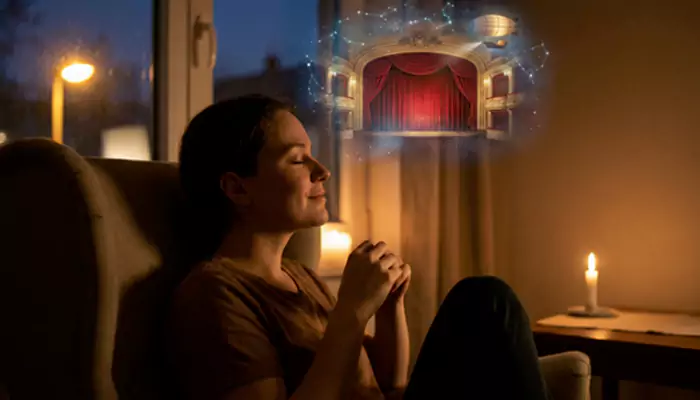
Here is the thing about radio that television never quite understood: it is intimate.
When you watch a video, you are an observer. But when you listen to the radio - or these days, a podcast, which let’s be honest, is just radio with a pause button - you are a participant. You have to paint the picture in your head.
It creates a "theatre of the mind." I remember driving late at night, listening to a talk show host discuss absolute nonsense, and feeling like I was the only person in the world. It’s a connection that feels personal, almost private.
The Ultimate Survivor
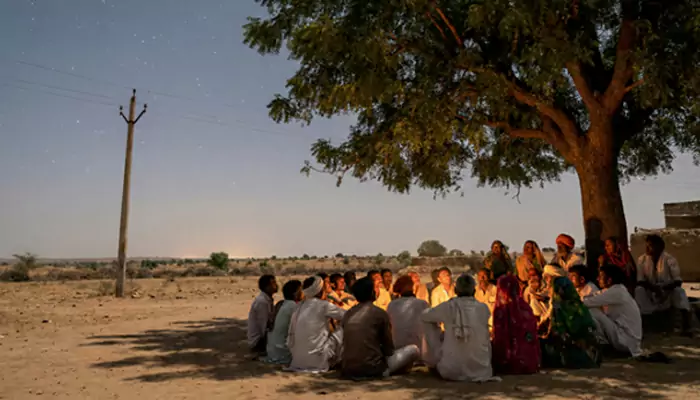
We were promised that the video would kill the radio star. Then we were told the internet would bury the body.
Yet, here we are. When the power grid fails, or the cell towers get jammed during a disaster, what is the one piece of tech that still works? A battery-operated radio. It is the cockroach of the media - and I mean that as the highest compliment. It survives. It adapts.
In rural communities across India or the vast stretches of the Australian outback, radio isn't nostalgia; it is a lifeline. It is education, weather warnings, and community gossip all rolled into one frequency.
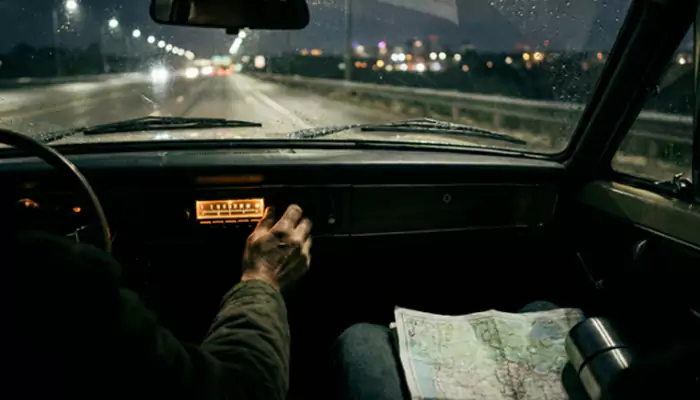
So, today, maybe don't just rely on your Spotify Daily Mix. Tune into a live station. Hear the imperfections, the pauses, the human element of a DJ queuing up a track in real-time.
Radio is over a century old, but it still has a pulse. And as long as we have stories to tell and darkness to drive through, I reckon it’s not going anywhere.