On This Day (Feb 13): World Radio Day - The ‘Emergency Mode’ Playbook: How Stations Stay On Air When Everything Goes Off
- Devyani
- 8 months ago
- 4 minutes read
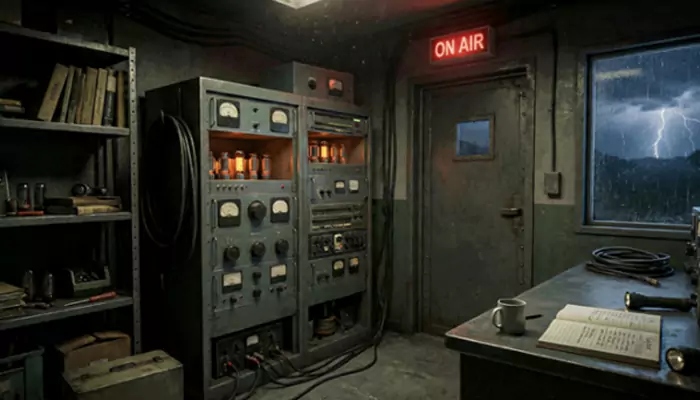
When the Wi-Fi dies and the screens go black, the transmitter keeps humming. Here is the engineering wizardry behind the silence that never happens.
There is a sound that haunts every radio engineer’s dreams. It isn’t feedback, and it isn’t the screech of a bad microphone cable. It is absolute, crushing silence. "Dead air." In this industry, three seconds of silence feels like an eternity; ten seconds feels like a resignation letter.
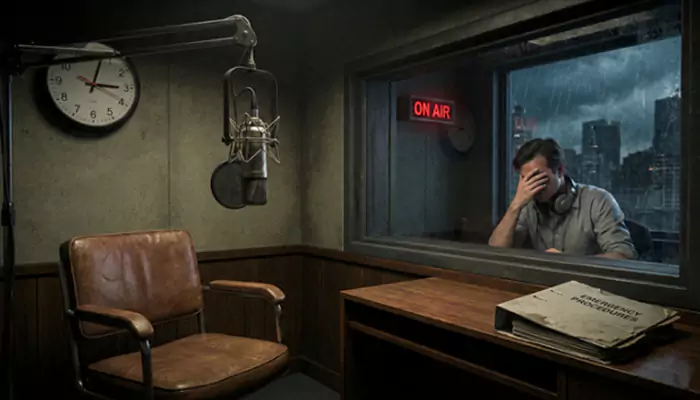
On February 13, World Radio Day, we usually celebrate the content - the voices, the music, the plays. But I want to talk about the hardware. Specifically, the "Emergency Mode" playbook that keeps a station live when the rest of the world has gone dark. Because when a storm hits or the power grid decides to take a nap, the radio doesn’t get to buffer.
The "Snitch" in the Rack Room
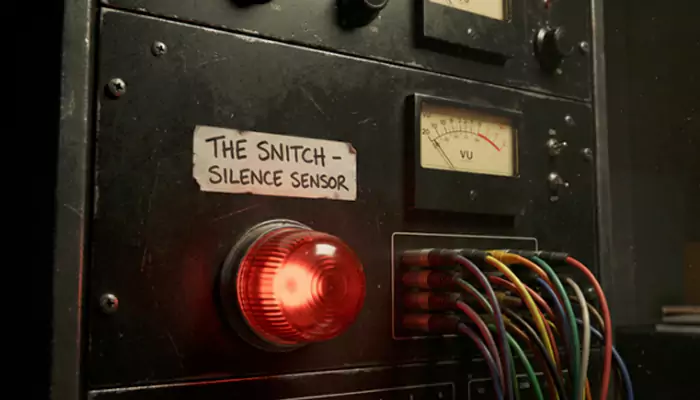
If you walked into a master control room today, you would see a piece of equipment often labeled a "Silence Sensor." We call it the Snitch. Its only job is to listen.
It monitors the audio leaving the studio. If the decibel level drops to zero for a preset time - usually about six seconds - it panics. But it doesn't just flash a red light. It takes over. The sensor physically switches the audio path to a backup source. Sometimes it is a pre-loaded hard drive with generic music; in dire cases, it might just be an emergency tone. It is a crude, brutal fail-safe, but it ensures the carrier wave never goes empty.
The Invisible Umbilical Cord
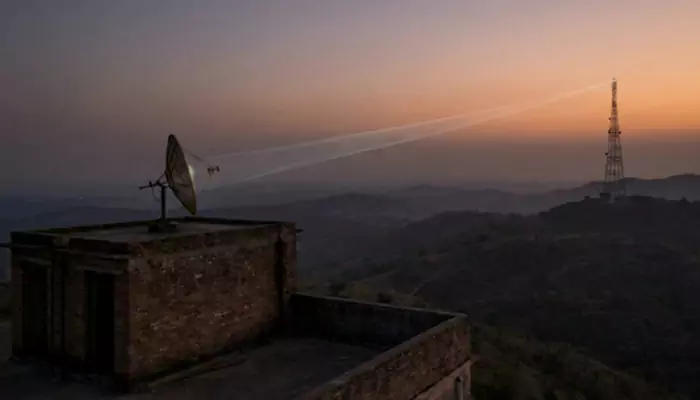
Here is where it gets technical, but stick with me. The studio (where the DJ sits) and the transmitter (the giant stick in a field that blasts the signal) are rarely in the same place. They are often miles apart.
They are connected by what we call an STL - Studio Transmitter Link. Usually, this is a microwave beam. If you look at a radio station’s roof, you’ll see a small dish pointing at the horizon. That’s the lifeline.
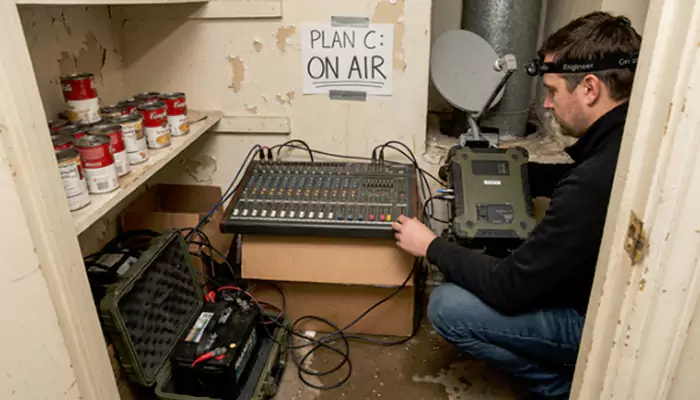
But what happens when a hurricane knocks the dish out of alignment?
Good stations have a "Plan C." This used to be an ISDN line (glorified dial-up), but now it is often IP-based codecs that can run over 4G or even satellite internet. I have seen engineers run a station using a smartphone hotspot hooked up to a mixing board in a closet because the main studio was flooded.
It wasn't pretty, and the audio sounded like it was coming from inside a soup can, but they were on air.
The Diesel Heartbeat
The unsung hero of World Radio Day isn't a person. It is a Caterpillar diesel generator sitting on a concrete slab behind a chain-link fence.
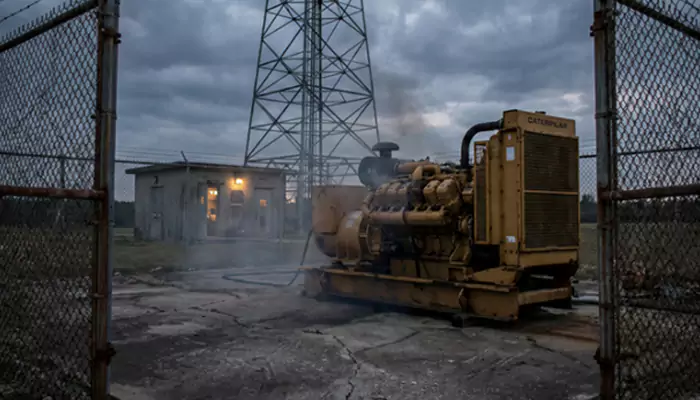
When the grid fails, the transition is violent. The lights in the shack flicker, the UPS (battery backup) screams for about ten seconds, and then - thrum. The generator kicks in. Huge capacitors discharge, keeping the transmitter tubes hot.
To me, this is the romance of the medium. The internet is fragile; it relies on a million servers staying up. Radio is stubborn. It is just physics - electricity and copper. As long as you can pour diesel into the tank, that signal will propagate.
The Last Line of Defense
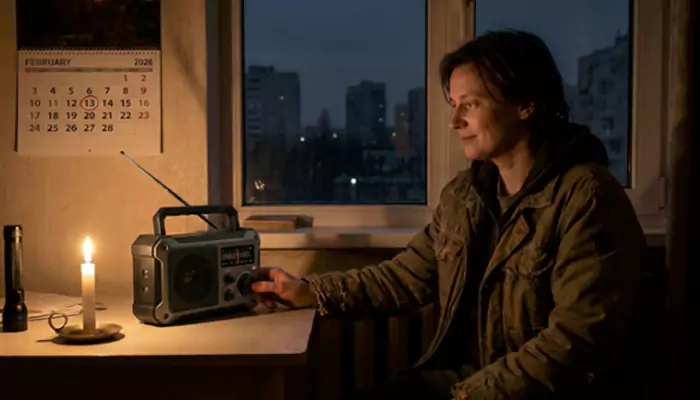
We live in 2026, and we assume our phones are invincible. They aren't. Cell towers have limited battery backups. When they die, the screen in your pocket is just glass and anxiety.
That is why this date matters. UNESCO didn’t establish World Radio Day just to honor a vintage aesthetic. They did it because radio is the cockroach of communication. It survives everything.
So, next time you hear a slight glitch in your favorite broadcast, or the audio sounds a bit "thin" for a second, don't be annoyed. It probably means a system just saved the day, and an engineer somewhere just wiped sweat off their forehead, grateful that the silence didn't win.