In Memoriam: Did You Know Mahatma Gandhi Was Nominated for THIS Award Five Times?
- Soham Halder
- 8 months ago
- 4 minutes read
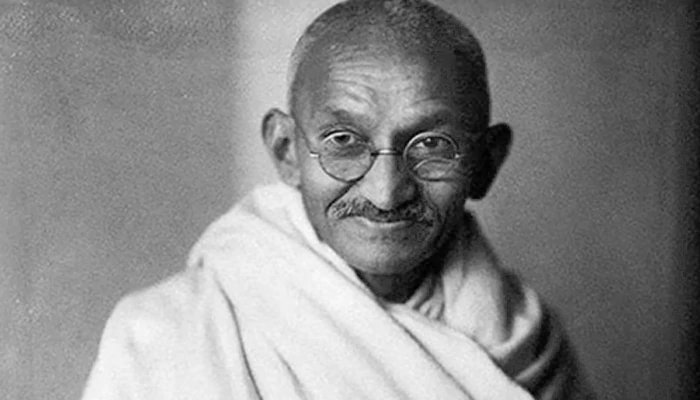
Mahatma Gandhi is remembered across the world as the apostle of non-violence, a moral compass in times of conflict, and the soul of India’s freedom struggle. Streets, statues, currencies, and calendars bear his image. His philosophy shaped civil rights movements far beyond India.
Yet here’s a lesser-known fact that still surprises many: Mahatma Gandhi was nominated for the Nobel Peace Prize five times, but never won it.
In an age when awards often define greatness, Gandhi’s story stands as a reminder that true impact does not always come with medals. This is the story of the award that came close to Gandhi repeatedly and the historic irony that followed.
The Award in Question: The Nobel Peace Prize
Yes, the world’s most prestigious recognition for peace, the Nobel Peace Prize, had Mahatma Gandhi on its nomination list not once, not twice, but five times.
He was officially nominated in:
1937
1938
1939
1947
1948 (posthumously, shortly before his assassination)
Each nomination acknowledged his unwavering commitment to non-violent resistance, civil disobedience, and moral leadership at a global scale.
Why Was Gandhi Nominated So Often?
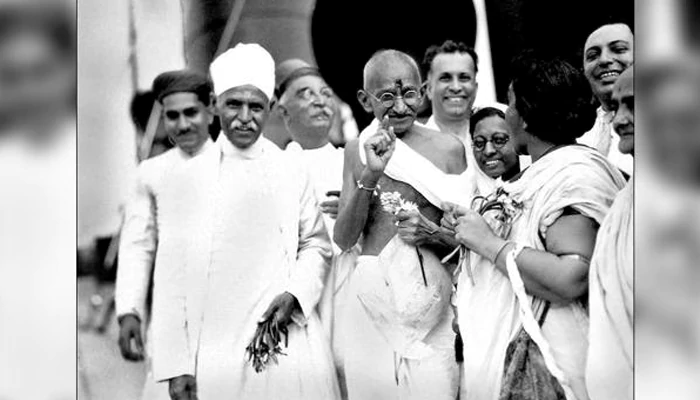
Gandhi’s philosophy was not theoretical, it was lived, practised, and demonstrated publicly. His methods challenged colonial power without bloodshed, inspiring leaders like Martin Luther King Jr. and Nelson Mandela decades later.
By the late 1930s, Gandhi had already:
- Led mass non-violent movements against British rule
- Mobilised millions without armed conflict
- Redefined protest as a moral force
The Nobel committees recognised this. The nominations reflected global admiration, even while India was still under colonial rule.
So Why Didn’t He Win?
This is where history becomes uncomfortable.
At the time, Nobel committees were heavily influenced by Eurocentric views. Many members reportedly struggled to understand Gandhi’s methods, dismissing them as “passive resistance” rather than revolutionary peacebuilding.
There were also political hesitations:
- Gandhi was leading an anti-colonial movement, which unsettled European powers
- His approach did not fit the traditional Western framework of diplomacy
- Some committee members felt he was “too radical” despite his non-violence
In short, Gandhi challenged not just empires—but institutional thinking.
The 1948 Turning Point and a Moral Miss
By 1947, India was independent, and Gandhi was once again nominated. In 1948, after his assassination, the Nobel Committee faced a historic moment.
That year, the Nobel Peace Prize was not awarded to anyone.
The official reasoning was that there was “no suitable living candidate.” Many historians believe this was an unspoken acknowledgment that the award should have gone to Gandhi, but it was now too late.
Decades later, Nobel Committee members publicly admitted that not awarding Gandhi was their greatest omission.
Does This Diminish Gandhi’s Legacy?
If anything, it strengthens it.
Gandhi’s influence did not need validation from a medal. His teachings reshaped political thought, civil resistance, and moral leadership worldwide. Today, his face is recognised even in places where the Nobel Prize winners are forgotten.
Ironically, the Nobel Peace Prize draws credibility from Gandhi, not the other way around.
A Lesson for Modern Times
In a world obsessed with rankings, awards, and recognition, Gandhi’s story teaches us something vital:
True greatness often exists beyond institutions.
Gandhi lived and died without wealth, power, or formal honours, yet his ideas continue to challenge violence, injustice, and intolerance even today.
His five nominations are not reminders of failure, but symbols of a world that saw his greatness, while struggling to fully honour it.
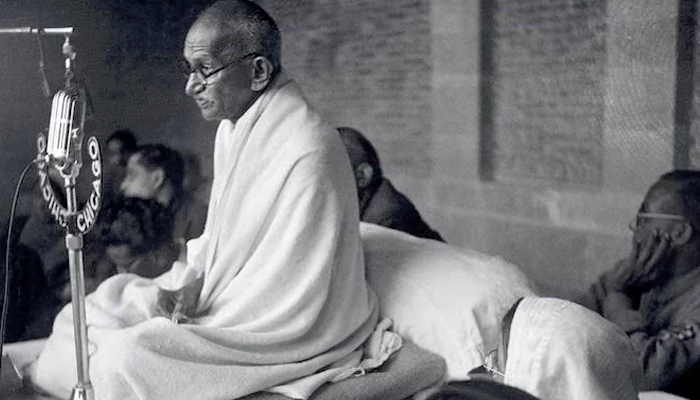
In Memoriam: Remembering the Man Beyond Awards
As India and the world remember Mahatma Gandhi, this lesser-known chapter reminds us that history’s most powerful figures are not always those who win trophies, but those who change how humanity thinks.
Five nominations. No prize.
One legacy that still refuses to fade.


.webp)
.webp)