Al Pacino’s Birthday: How ‘The Godfather’ Gave Indian Cinema Its Most Chilling Political Anti-Hero in ‘Sarkar’
- Devyani
- 4 months ago
- 3 minutes read
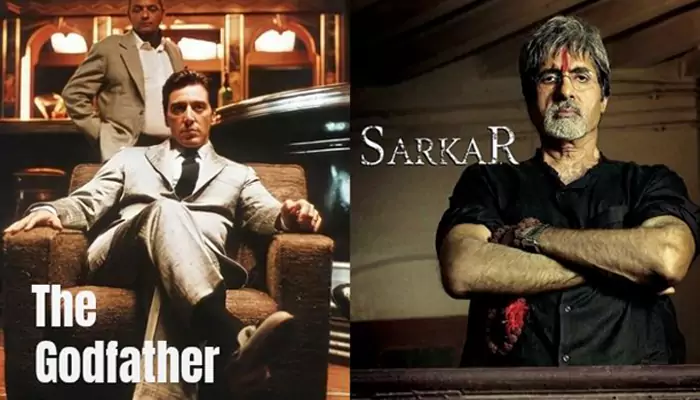
Before we even discuss the roaring guns, we have to talk about the silence - because that is exactly where the real power lives.
Watch Al Pacino in the first hour of that 1972 masterpiece. He barely speaks. He just watches, observing the chaotic machinery of his father’s empire with those heavy, detached eyes. April 25 rolls around every year, and cinephiles globally argue about Pacino’s loudest roles - Scarface, Scent of a Woman, Heat. I believe, however, that his quietest performance is the one that actually tilted the axis of world cinema.
Michael Corleone wasn’t born a monster. Circumstance simply demanded it. That terrifying, slow-burn shift from a decorated war hero to a cold-blooded patriarch essentially rewrote the rulebook for cinematic anti-heroes. He made ruthlessness look like a tragic, unavoidable chore.
Shifting the Empire to Mumbai
Decades later, Ram Gopal Varma looked at that Italian-American tragedy and realized something crucial. It mapped perfectly onto Indian political dynasties. Thus, Sarkar was born.
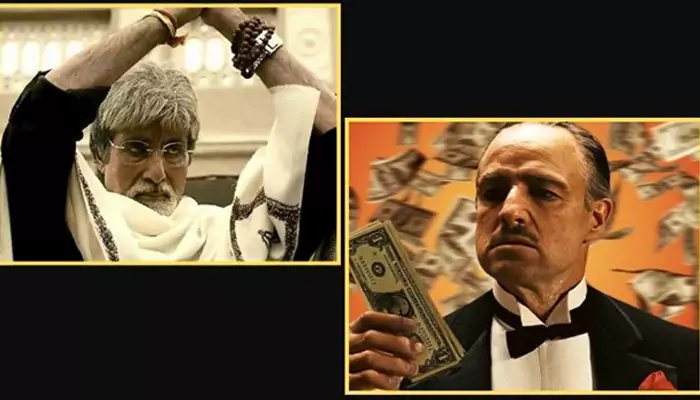
While Amitabh Bachchan’s Subhash Nagre undeniably anchored the film (channeling Marlon Brando's gravelly authority), the true narrative engine was Shankar. Abhishek Bachchan had the nearly impossible task of stepping into Pacino’s shoes. He actually pulled it off. He ditched the conventional, loud Bollywood theatricality. Instead, he gave us a masterclass in internal friction. You could see the moral decay happening entirely behind his eyes.
Tea, Power, and Pragmatism
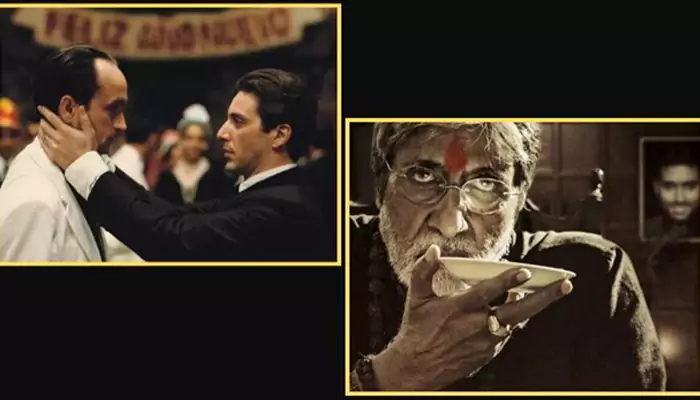
You see it in that brilliant scene where Shankar finally takes the reins. There are no dramatic monologues. No wind blowing through his hair. He merely sips his tea. The decision to execute his own family members - mirroring Michael’s infamous hit on Fredo - is delivered with chilling bureaucratic efficiency.
It feels so grounded. Perhaps this works because Indian politics often mirrors that exact brand of ruthless pragmatism. We instantly recognize that silent, suited operator who calculates the cost of human life on a ledger.
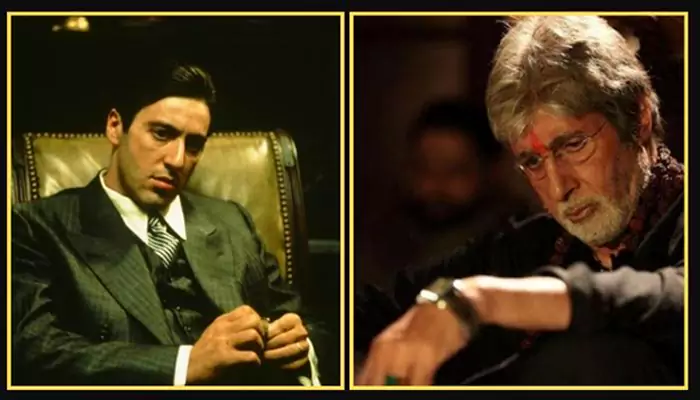
The genius of translating Pacino’s Michael to the Indian context lies in the subtle cultural tweaks. Varma didn't just copy-paste a mafia script. He localized the concept of loyalty. He understood that the Indian audience would absolutely buy a son sacrificing his own soul just to protect his father's ideology.
So, raise a glass (or perhaps a cutting chai) to Al Pacino this week. His brilliant blueprint of the reluctant, dead-eyed kingpin gave Bollywood an anti-hero we still cannot manage to shake off.