Remembering the Maestro: Why Satyajit Ray’s ‘Feluda’ Was the Original Indian Cinematic Universe Decades Before the MCU
- Soham Halder
- 5 months ago
- 3 minutes read
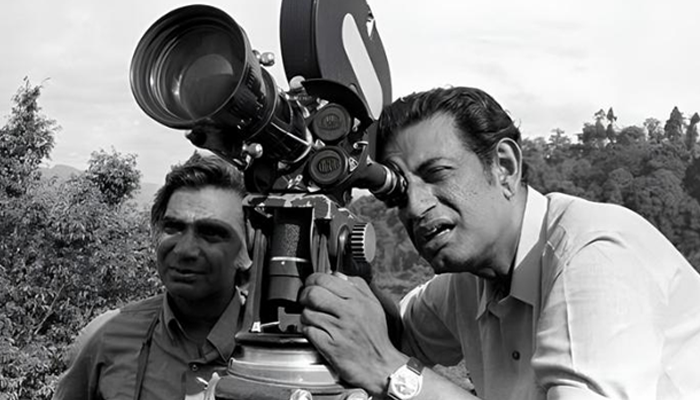
Before Hollywood figured out the billion-dollar math of crossovers, a certain Charminar-smoking sleuth had already built an intricate world on the dusty bookshelves of Bengal.
Honestly, whenever another blockbuster franchise movie drops - with its dizzying multiverse timelines and obligatory post-credit scenes - my mind usually drifts. It wanders right back to my own bookshelves here in South Kolkata. To the dog-eared, yellowing paperbacks. Long before studio executives realized that cross-pollinating characters was a literal goldmine, Satyajit Ray was already doing it.
Quietly. Brilliantly.
The Blueprint of an Ecosystem
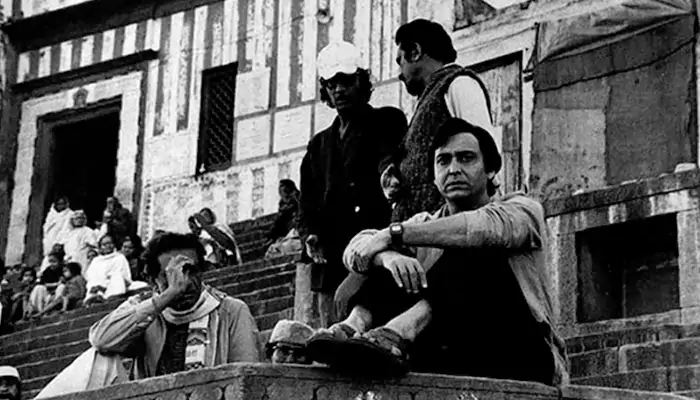
Think about it for a second. A cinematic universe thrives on a fixed, familiar ecosystem. Ray gave us exactly that with Pradosh C. Mitter. But he didn't just churn out standalone whodunits; he engineered a living, breathing reality.
We had Topshe, the eternally teenage chronicler. Then came the absolute masterstroke: Lalmohan Ganguly, alias Jatayu. He didn't just pop in for cheap comic relief. Jatayu evolved across the timeline. His bizarre arsenal - from that absurd boomerang to the Nepali kukri - became recurring inside jokes. This is textbook universe-building, right? Establishing lore that actively rewards the loyal reader. You knew the dynamics. You knew exactly how Feluda would react to Jatayu's mangled Hindi.
Villains with Serious Real Estate
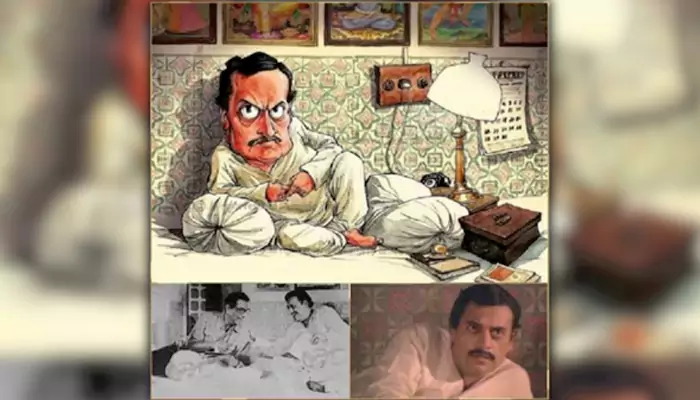
And what is a sprawling universe without a Thanos-level threat?
Enter Maganlal Meghraj.
Most detective fiction hands you a bad guy, the sleuth locks them up, and we move on to the next puzzle. Not Ray. Maganlal was a recurring, terrifying nightmare. He had history. Every time that man appeared, armed with his polite menace and dangerous hospitality, the stakes felt distinctly heavier because we remembered the last encounter. The trauma of the knife-throwing incident in Joy Baba Felunath wasn't forgotten; it lingered in the background of their next meeting. It was never just a new case. It was a continuation of a bitter grudge match.
The Tangible World
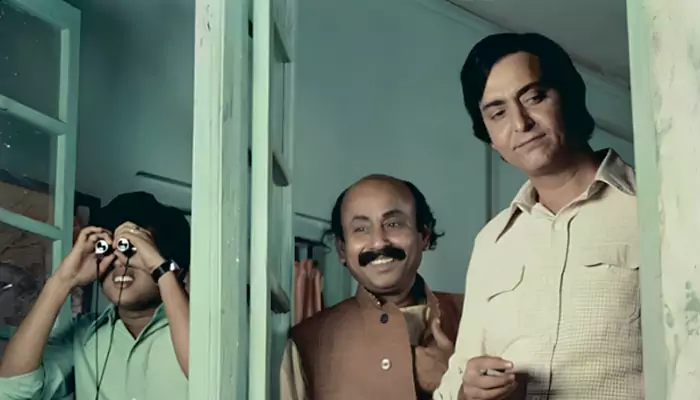
Perhaps the true genius of the Feluda ecosystem was its grounding. It wasn't set in some mythical Gotham or a VFX-heavy void. The geography was fiercely, stubbornly real.
Whether they were eating kachoris in the narrow lanes of Benaras, freezing in a Darjeeling mall, or deciphering cryptic codes on a moving train - the locations were practically cast members themselves.
It feels, I don't know, almost sacrilegious to reduce Ray’s literary magic to modern corporate terms like "IP" or "franchise." Yet, the structural blueprint is undeniable. He created a sandbox where the characters remembered past victories, carried their baggage, and grew alongside us.
So yeah, maybe Feluda didn't have a vibranium shield or a magic hammer. But he had a razor-sharp Mogojastro (brain-weapon). And frankly? That remains the most impressive superpower I’ve ever seen on a page or a screen.