Yoga for Seasonal Transitions: Poses That Help Balance Energy
- Soham Halder
- 6 months ago
- 4 minutes read
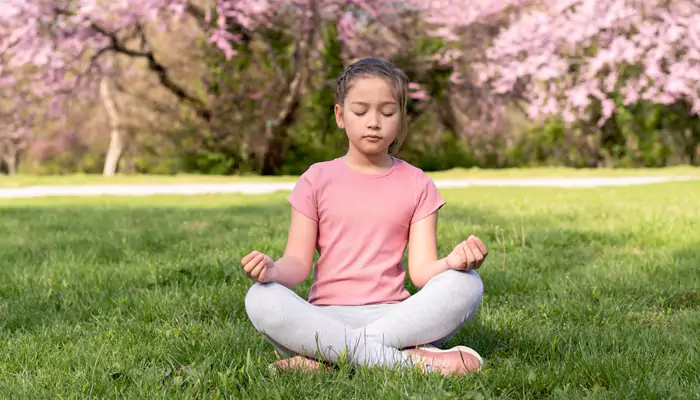
Align With Nature: Yoga Practices for Weather Changes!
In India, seasons don’t just change, they transform everything around us. From chilly winter mornings to humid monsoon evenings and scorching summer afternoons, our bodies constantly adapt to shifting temperatures, daylight hours, and humidity levels.
Ever noticed feeling sluggish at the end of winter? Or restless as summer approaches? That’s not just in your head. Seasonal transitions affect digestion, sleep, immunity, and energy levels.
The good news? Yoga offers a simple, powerful way to help your body stay balanced.
Instead of fighting the weather, yoga teaches you to move with it.
Why Seasonal Transitions Affect Energy
According to traditional Indian wellness systems like Ayurveda, each season carries specific qualities cold, dry, hot, humid. These qualities influence our internal balance.
For example:
Late winter may increase heaviness and lethargy.
Early summer can cause dehydration and irritability.
Monsoon often slows digestion.
Yoga works by stimulating circulation, improving lymphatic flow, balancing the nervous system, and regulating breath, all crucial during seasonal change.
Let’s explore poses that help restore harmony.
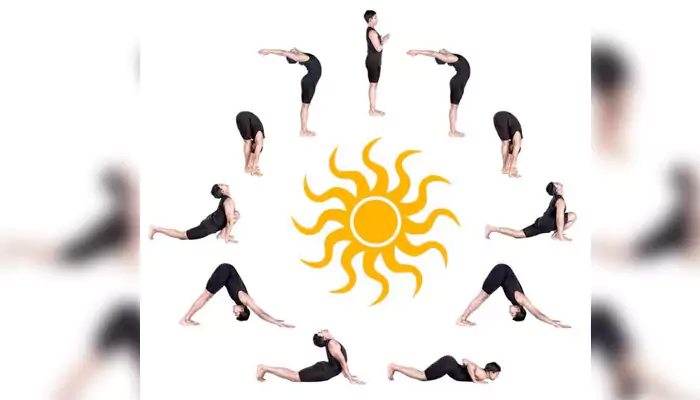
Surya Namaskar (Sun Salutation) – For Overall Energy Reset
Surya Namaskar is a complete body workout and an excellent practice during seasonal transitions.
It:
- Boosts circulation
- Improves metabolism
- Reduces stiffness
- Enhances flexibility
During winter-to-summer transitions, it helps shake off sluggishness. In monsoon, it supports immunity by keeping the body active.
Start with 5–8 slow rounds in the morning to energise your system.

Bhujangasana (Cobra Pose) – For Lung & Chest Expansion
Weather changes often bring respiratory discomfort, especially during monsoon or early winter.
Bhujangasana opens the chest and strengthens lung capacity. It also improves posture, helpful if you’re spending more time indoors during seasonal shifts.
Hold for 20–30 seconds while breathing deeply. Feel your chest expand and tension release.
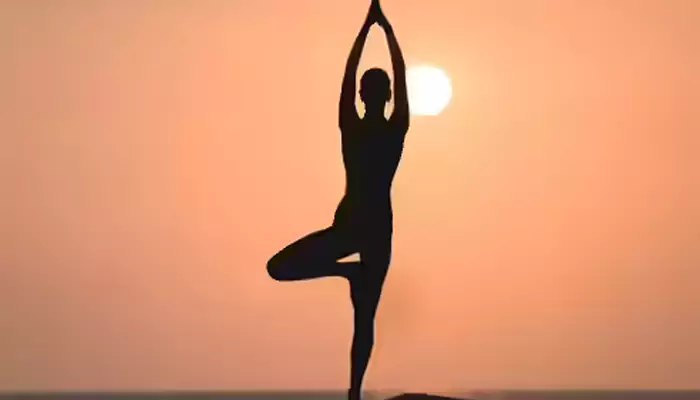
Vrikshasana (Tree Pose) – For Emotional Balance
Seasonal change doesn’t only impact the body; it influences mood too.
Vrikshasana improves focus and grounding. Standing on one leg strengthens stability physically and mentally.
When days feel unpredictable, this pose builds inner steadiness.
Practise near a window or balcony, connecting with natural light for a deeper calming effect.
Setu Bandhasana (Bridge Pose) – For Hormonal Support
Bridge Pose stimulates the thyroid gland, helping regulate metabolism, which often fluctuates during seasonal transitions.
It also:
- Reduces anxiety
- Eases back stiffness
- Improves blood circulation
Hold for 30 seconds and breathe slowly. This pose is especially helpful when you feel low energy during weather shifts.
Balasana (Child’s Pose) – For Nervous System Calm
Changing weather can disrupt sleep patterns and increase stress.
Balasana gently relaxes the nervous system. It promotes introspection and rest, perfect during emotionally overwhelming seasonal shifts.
Practise it in the evening before bedtime for better sleep.
Pranayama – The Real Game Changer
Breathing techniques are essential for adapting to climate changes.
Try:
Anulom Vilom – Balances energy and clears nasal passages.
Kapalbhati – Boosts metabolism and digestion (avoid if advised otherwise by a doctor).
Sheetali Pranayama – Cools the body during rising summer temperatures.
Breath regulates body temperature and calms mental fluctuations, making pranayama one of the most powerful tools for seasonal balance.
How Often Should You Practise?
You don’t need two hours daily. Even 20–30 minutes of mindful practice can:
- Improve immunity
- Stabilise mood
- Enhance digestion
- Boost stamina
Consistency matters more than intensity.
Listen to your body. On hotter days, choose gentler stretches and cooling breaths. During cold mornings, practise dynamic sequences like Surya Namaskar.
Yoga as Seasonal Self-Care
Seasonal transitions are natural. Instead of suppressing symptoms with quick fixes, yoga encourages awareness.
Ask yourself:
- Am I feeling heavy or restless?
- Is my digestion off balance?
- Am I sleeping well?
Then choose poses that respond to those needs.
Yoga is not about perfection. It’s about alignment with your body and with nature.
Final Thoughts
India’s climate is beautifully diverse, but it demands adaptability. Yoga offers a timeless method to help your body transition smoothly through each seasonal shift. As temperatures change, let your breath guide you. Let your movement support you.
Because when you balance your energy, the season becomes easier to embrace.
Roll out your mat. Breathe deeply. And flow with the rhythm of nature.