Why Everyone Falls Sick in January And How to Break the Cycle
- Soham Halder
- 8 months ago
- 4 minutes read

Outsmart winter bugs with science-backed habits!
January arrives with crisp mornings, chilly nights, and, for many Indians, a familiar pattern of coughs, colds, fatigue, and flu. But it isn’t just bad luck or old wives’ tales. There are real science-based reasons why so many people seem to get sick this month and even better news: you can break the cycle with smart habits.
Whether you live in North India where winter bites deep, or down South where the change is milder, January poses unique physical challenges. Let’s explore why sickness spikes and how you can stay strong all month long.
Immune System Lag After Festive Holidays
December in India means celebration, late nights, heavy meals, sweets, alcohol, and lots of socializing. While joyous, this cycle often disrupts sleep, digestion, and immunity.
Sleep is the foundation of immune health:
- Poor sleep weakens white blood cell function
- Sleep deprivation raises stress hormone cortisol
- Higher cortisol suppresses immune response
Add festive overeating and alcohol, and your gut immunity, a key defender against pathogens gets compromised. So when January arrives, your body is already playing catch-up.

How to break it:
- Prioritise consistent sleep (7–8 hours)
- Avoid heavy meals late at night
- Reduce alcohol and replace with water or warm herbal drinks
Cold Weather Causes Mucus and Respiratory Strain
Chilly air dries out the nasal passages and throat. Our bodies compensate by producing more mucus, which paradoxically becomes a breeding ground for viruses and bacteria.
Additionally, many people stay indoors with poor ventilation in winter, increasing the risk of airborne transmission of viruses like rhinovirus (common cold) and influenza.
How to break it:
- Use a humidifier at home
- Keep rooms ventilated even in cold weather
- Add warm fluids (herbal teas, soups) to your daily routine
These not only soothe irritated membranes but also make your respiratory environment less inviting to germs.
Vitamin D Deficiency Weakens Winter Immunity
Many Indians already have low vitamin D due to indoor lifestyles and sunscreen use. In winter, when sunshine is weaker and days shorter, vitamin D levels dip further. Studies show vitamin D plays a crucial role in immune regulation and helps protect against respiratory infections. When levels are low, susceptibility to sickness rises.
How to break it:
- Aim for 15–20 minutes of morning sunlight daily
- Include foods like fortified milk, eggs, mushrooms
- Consider a vitamin D supplement (after consulting a doctor)

Seasonal Viruses Are More Active in Dry, Cold Months
Certain viruses, especially influenza and common cold strains thrive in cooler, drier conditions. When humidity is low, respiratory droplets evaporate slower, increasing the chance of virus transmission.
In India’s winter months, many school and workplace illnesses cluster in January simply because conditions favor infection spread.
How to break it:
- Wash hands frequently
- Avoid touching face with unwashed hands
- Clean high-touch surfaces regularly
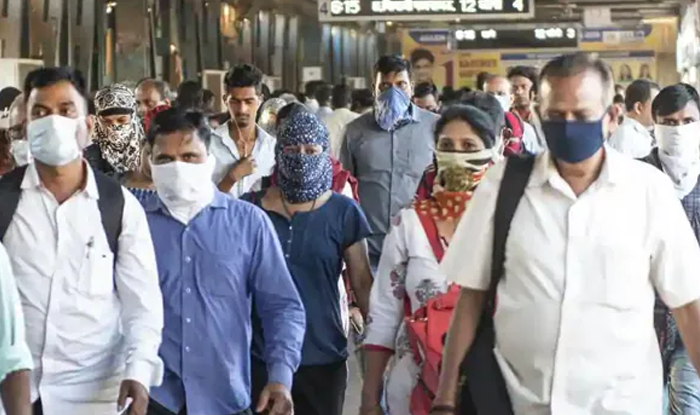
- Wear a light mask in crowded indoor spaces
Simple hygiene habits are surprisingly effective.
Poor Diet in January Weakens Defenses
Post-holiday cravings often lean toward sweets, fried food, and refined carbs — exactly the foods that cause inflammation, blood sugar spikes, and energy crashes. When your body is busy dealing with poor nutrition, it’s less efficient at fighting infections.
How to break it:
- Add seasonal fruits — oranges, guava, pomegranate
- Load up on veggies — carrots, spinach, beetroot, broccoli
- Include warm, nutrient-dense meals — dal, khichdi, soups
- Add spices that support immunity — turmeric, ginger, cinnamon
A nutrient-rich diet fuels your immune cells.
Stress and Post-Holiday Blues Affect Immunity
January brings expectations (new year goals!) but also a post-celebration letdown. Stress, emotional or physical, ramps up cortisol and other hormones that suppress immune activity. When stress is high, recovery from illness is slower and infections hit harder.
How to break it:
- Practice mindfulness or breathwork daily
- Keep a gratitude or goal journal
- Start small and realistic wellness habits
A calm mind supports a resilient body.

The January Prevention Blueprint
Here’s a quick actionable checklist to break the winter sickness cycle:
- Prioritise Sleep: 7–8 hours a night
- Hydrate Warmly: Herbal teas, soups, broths
- Keep Moving: Daily walks or light exercise
- Boost Nutrition: Seasonal fruits & vegetables
- Support Immunity: Vitamin D, zinc, antioxidants
- Practice Hygiene: Handwashing and surface cleaning
- Manage Stress: Meditation, journaling, mindful breaks
Falling sick in January feels common, but it doesn’t have to be inevitable. When you understand the why behind seasonal illness, immune lag, cold weather, nutrient gaps, indoor crowds, you can take targeted action to stay healthy.
This January, let your health reset be your strongest New Year resolution. With the right habits warm nutrition, consistent sleep, immune support, and mindful living, you can break the cycle of winter sickness and build lasting wellness.
Here’s to a January free of sniffles, fevers, and fatigue and the start of your healthiest year yet!

.WEBP)
.WEBP)
.webp)
.WEBP)