Happy Birthday Kapil Dev: The Untold Struggles Before World Cup Glory
- Rohit Chatterjee
- 1 day ago
- 5 minutes read
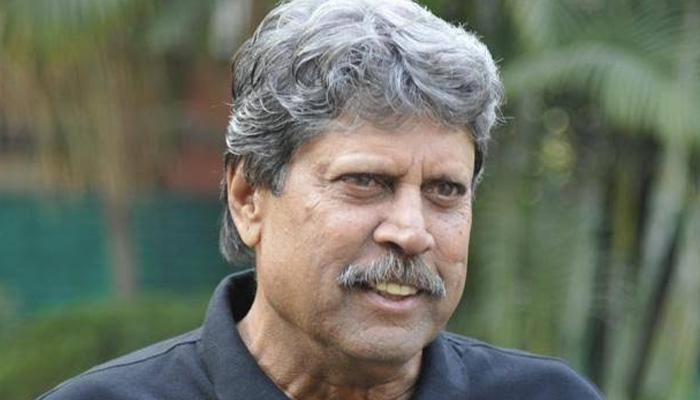
Before the glory, there was grit.
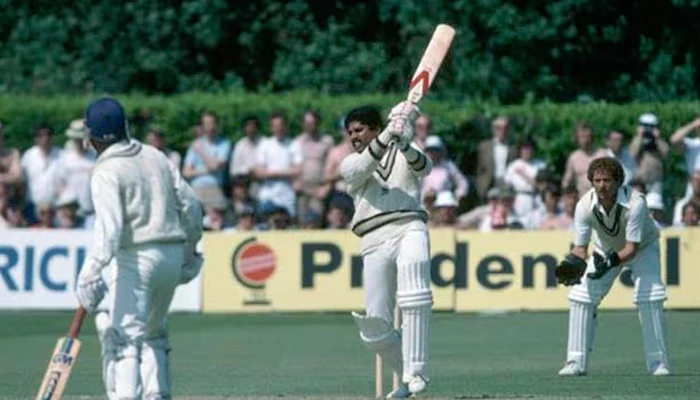
On his birthday, one of India’s most iconic sports figures: Kapil Dev Ramlal Nikhanj is celebrated not just for lifting the 1983 Cricket World Cup but also for how far he came to reach that historic moment. When most people think of Kapil Dev, they remember the fast bowling, the explosive hitting, and that unforgettable World Cup win. But before global admiration and national pride came the struggles, doubts, and resilience that shaped him into a legend.
Today, we rewind the tape to explore the early chapters of Kapil Dev’s life, the hardships that don’t make many highlight reels but are crucial to understanding his greatness.
Born in Rohtak: Far From Cricket’s Traditional Power Centres
Kapil Dev was born on January 6, 1959, in Chandigarh and raised in Rohtak, Haryana, at a time when India’s cricket infrastructure was heavily concentrated in major urban centres like Mumbai, Delhi, and Kolkata. For many aspiring cricketers from smaller towns, opportunities were limited.
Kapil wasn’t born with silver spoons or access to elite training facilities. His early exposure to cricket was through local playgrounds and neighborhood matches, where pitches were uneven and coaching was informal. For a young boy with talent, this meant proving himself again and again, without the support systems that others enjoyed.
Lesson: Talent may be innate, but opportunities aren’t guaranteed and perseverance becomes the bridge between the two.
Early Cricketing Trials: From Medium-Pace to Fast Bowling
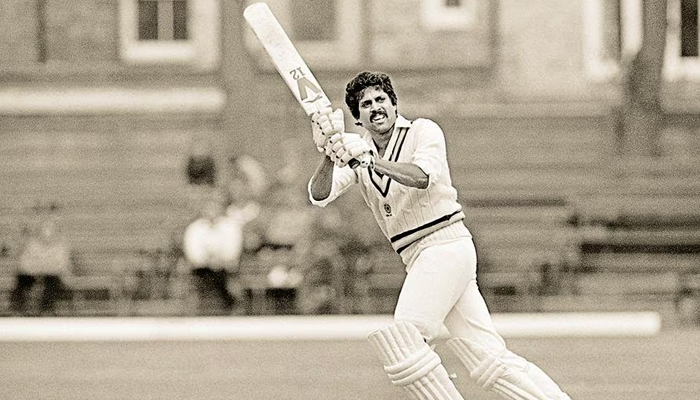
Kapil’s early ambition wasn’t even to be a fast bowler. As a teenager, he started out with medium pace, but soon realised that to stand out, he’d have to offer something different. The transformation from a medium pacer to one of India’s fastest bowlers wasn’t natural or instant, it required dedicated experimentation, extra practice sessions, and a willingness to push beyond comfort.
His early coaches noticed his potential but also warned him that India rarely backed fast bowlers then. The landscape of Indian cricket at the time was dominated by spinners, expressing important strategic differences in how success was defined.
Yet Kapil persisted.
Lesson: Identifying your unique strength is only part of the journey, refining it is the real work.
Domestic Cricket Struggles: Making a Name the Hard Way
Kapil Dev’s first-class career began with Haryana, but it wasn’t an immediate ascension to stardom. He had to perform consistently against seasoned professionals in the Ranji Trophy and Irani Cup, environments that tested both talent and temperament.
Unlike today’s cricketers who are scouted early through structured age-group tournaments and academies, Kapil’s era demanded self-driven improvement and mental grit. He faced stronger and more experienced batsmen without the safety nets of video analysis, advanced coaching or fitness regimens.
His breakthrough in domestic cricket wasn’t dramatic, it was gradual, built on consistent effort and resilience.
Lesson: Growth doesn’t always come with fanfare. Sometimes, it’s the quiet grind that prepares you for glory.
India Team Debut: Shoulder Injury and Early Hurdles
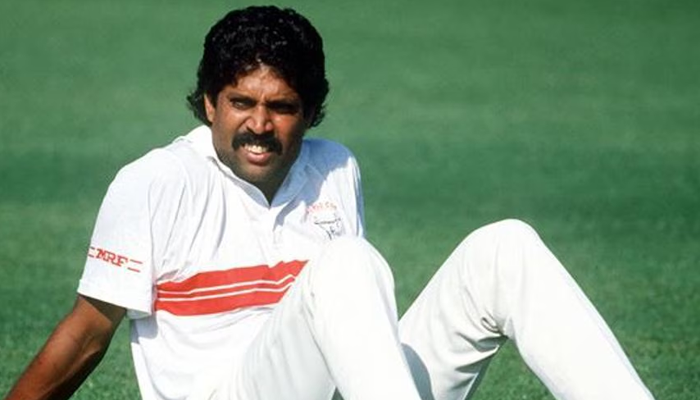
Kapil made his Test debut for India in 1978 against Pakistan at Faisalabad, a dream moment that came with its own set of struggles. His early years in international cricket were marked by injuries, including persistent shoulder problems which affected his bowling rhythm and speed.
Instead of letting injuries derail his career, Kapil made adjustments, refining his bowling action, strengthening his body, and learning to cope with setbacks.
For many players, injuries mean lost confidence and selection questions. For Kapil, they became schoolmasters in mental strength.
Lesson: True strength is not being unhurt, it’s rebuilding when you are.
Before the World Cup: Facing Global Giants With Limited Backing
In the late 1970s and early 1980s, Indian cricket wasn’t feared abroad. Fast bowlers were scarce, and teams like the West Indies, Australia, and England relied heavily on pace attacks. Kapil, with his unorthodox action and aggressive approach, had to earn respect through results rather than reputation.
His rise coincided with changing expectations of Indian cricket, a time when winning overseas was rare, and domestic success didn’t guarantee international acclaim.
Despite this, Kapil’s fearless bowling and inspiring leadership potential began to emerge, qualities that later became legendary.
Lesson: Sometimes, being ahead of your time means proving yourself over and over again.
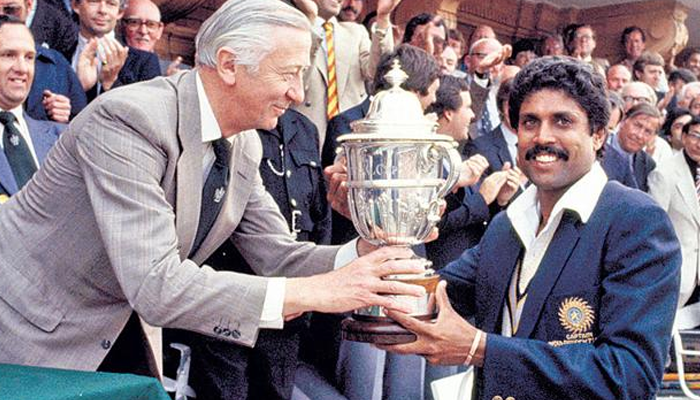
Before that iconic World Cup moment in 1983, when Kapil Dev led India to a historic victory that shook the cricketing world, there were years of quiet battles, repeated failures, fitness challenges, and scarcity of opportunities. His journey from Rohtak playgrounds to the global stage is not just a sports story — it’s a life lesson for every Indian chasing big dreams against big odds.
On his birthday, we celebrate not only a great cricketer but a builder of belief, who taught us that struggles aren’t detours, they are the path.