From Heavy Winter Meals to Light Plates: How to Transition Safely
- Soham Halder
- 7 months ago
- 4 minutes read
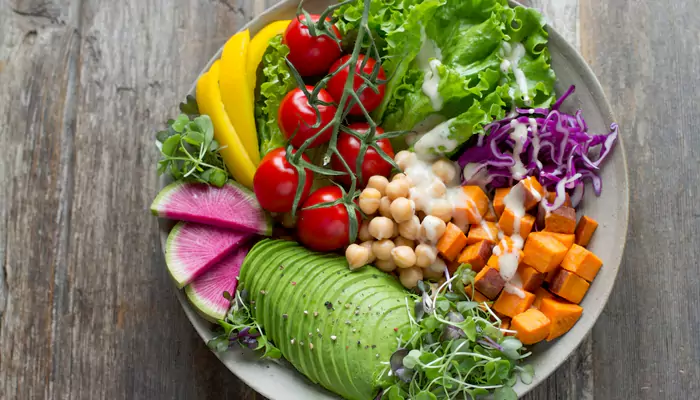
Goodbye Sarson Ka Saag, Hello Salads? Not So Fast!
If you’re Indian, winter probably meant one thing: indulgence. Think parathas dripping with ghee, rich curries, halwa, undhiyu, pongal, and endless cups of chai. And honestly? That’s perfectly natural. Our bodies crave calorie-dense, warming foods during cold months to maintain energy and warmth.
But as February fades and temperatures begin to rise, those same heavy winter meals can start feeling too much. Bloating, sluggishness, acidity, and low energy are common signs your body is ready for change.
The key, however, is not to jump from buttery parathas to raw salads overnight. A sudden dietary shift can shock your digestive system. Instead, a gradual and thoughtful transition is the healthiest way forward.
Why Your Body Needs a Gradual Shift
During winter, metabolism may slow slightly, and digestion adapts to handle richer foods. As the weather warms up, your body naturally prefers lighter, water-rich meals that are easier to digest.
Suddenly cutting out fats and carbs can:
- Cause energy crashes
- Increase cravings
- Trigger digestive discomfort
- Slow metabolism further
A safe transition ensures your gut adjusts smoothly without stress.
Step 1: Reduce, Don’t Remove
You don’t have to eliminate ghee or comfort foods completely. Instead, reduce portion sizes and frequency.
For example:
- Swap stuffed parathas for plain phulkas with a light sabzi.
- Use less oil in tadka but keep your favourite flavours.
- Replace heavy desserts with fruit-based sweets occasionally.
Gradual reduction helps your taste buds and digestion adapt naturally.
Step 2: Add Fresh, Seasonal Produce
Spring and early summer bring beautiful produce in India: lauki, tori, cucumber, spinach, carrots, citrus fruits, and more. Start adding these to your meals instead of replacing everything at once.
A balanced plate could include:
- One light dal
- A seasonal vegetable
- A small portion of rice or roti
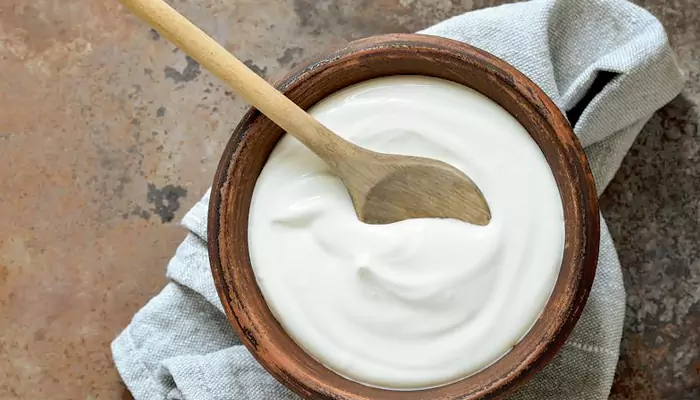
- Curd for gut health
The focus is on freshness and hydration, not deprivation.
Step 3: Shift Cooking Techniques
Sometimes it’s not what you eat but how you cook it.
Instead of:
Deep frying → Try shallow sautéing or steaming.
Heavy gravies → Opt for lighter, tomato-based or curd-based gravies.
Creamy curries → Choose clear soups or brothy dals.
This simple change reduces heaviness while preserving taste.
Step 4: Hydrate Intelligently
Winter often reduces water intake. As heat increases, hydration becomes crucial for digestion and detoxification.
Start your day with warm water. Add jeera water or lemon water if it suits you. Include water-rich foods like cucumber, watermelon (when in season), and coconut water.
Proper hydration naturally reduces cravings for heavy foods.
Step 5: Listen to Your Hunger Signals
As the weather changes, appetite patterns shift. You may feel less hungry in the afternoon but crave something refreshing.
Instead of forcing large meals:
- Eat smaller, balanced portions.
- Include mid-morning fruits.
- Avoid overeating late at night.
Mindful eating helps your body regulate itself.

Step 6: Support Gut Health
A healthy gut makes seasonal transitions smoother.
Include:
- Curd or buttermilk
- Fermented foods like kanji
- Fiber-rich vegetables
- Moderate spices like cumin and ginger
Avoid extreme detox diets. Your body doesn’t need drastic cleansing, it needs balanced nourishment.
The Indian Wisdom of Seasonal Eating
Traditional Indian diets were always seasonal. Winter meant sesame, jaggery, and ghee. Summer brings buttermilk, raw mango drinks, and lighter sabzis. Our ancestors intuitively understood how climate affects digestion.
Modern nutrition science agrees: seasonal transitions require gradual dietary adjustments, not sudden extremes.
What to Avoid During the Transition
- Crash dieting
- Liquid-only detoxes
- Skipping meals
- Overloading on raw salads immediately
- Excess cold beverages
Your digestive system prefers warmth and balance during change.
Final Thoughts
Moving from heavy winter meals to lighter plates isn’t about abandoning tradition. It’s about aligning your food with the season. A safe transition protects your digestion, maintains energy, and prevents seasonal fatigue.
So instead of making dramatic changes, start small. Lighten your plate, hydrate well, and move your body. Within weeks, you’ll feel naturally refreshed without stress or cravings.
Because seasonal eating isn’t a trend. It’s timeless Indian wisdom.