Millets to mindful meals: The foods that changed Indian plates in 2025.
In 2025 Indians didn’t simply change what they ate, they upgraded why they ate it. The year closed with a clear pattern: people blended nostalgia (ghee, desi snacks) with science (probiotics, functional foods) and sustainability (millets, plant-based choices). This wasn’t a niche shift; it was mainstream behaviour driven by health awareness, better availability and a dash of culinary curiosity.
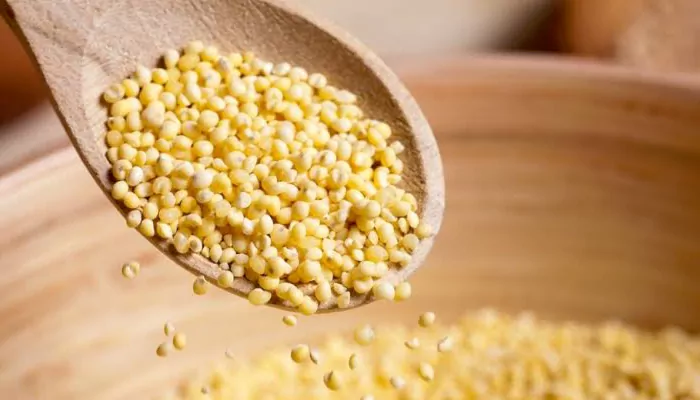
Millets: From Forgotten Grain to Everyday Staple
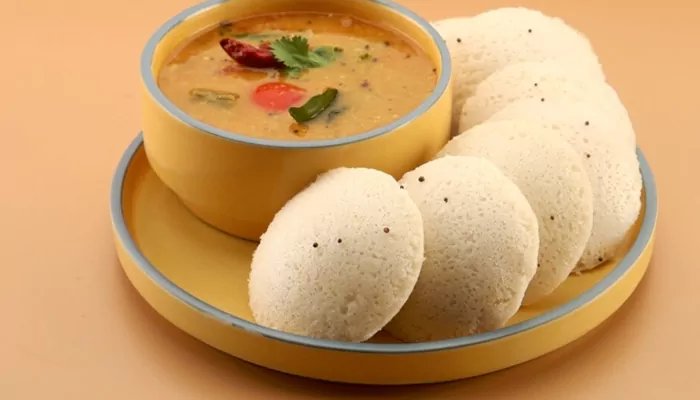
Millets shed their “food of scarcity” tag and returned to dinner plates as a celebrated supergrain. Government campaigns and rising production helped make millets accessible and affordable, and cities began embracing millet-based idlis, rotis and salads as healthy alternatives to refined grains. India’s millet output and national policy support gave a big push to this revival.
Ghee’s Comeback: With a Healthier Twist
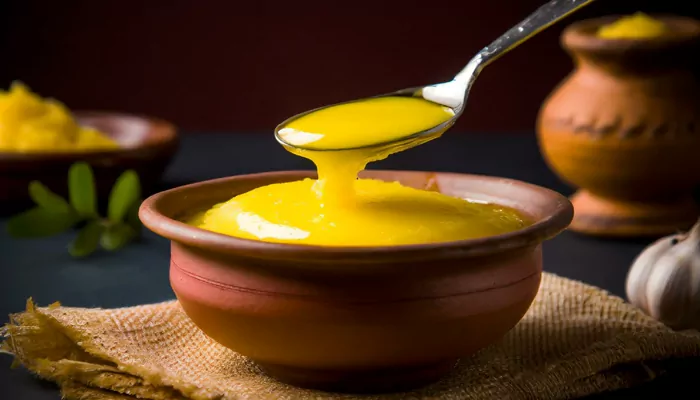
Ghee didn’t disappear from Indian kitchens; it evolved. Rather than blanket rejection, nutrition conversations in 2025 focused on quality and quantity, clarified butter from grass-fed cows, organic variants and controlled portions. The ghee market continued to grow as consumers looked for traditional fats that fit modern wellness narratives, especially when used judiciously in cooking.
Plant-Powered Plates: A Growing Appetite for Alternatives
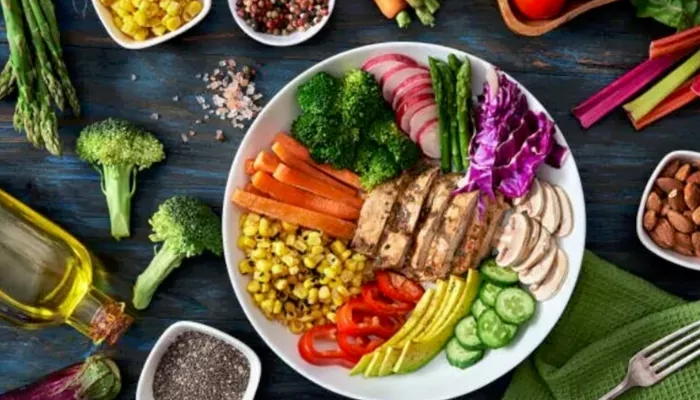
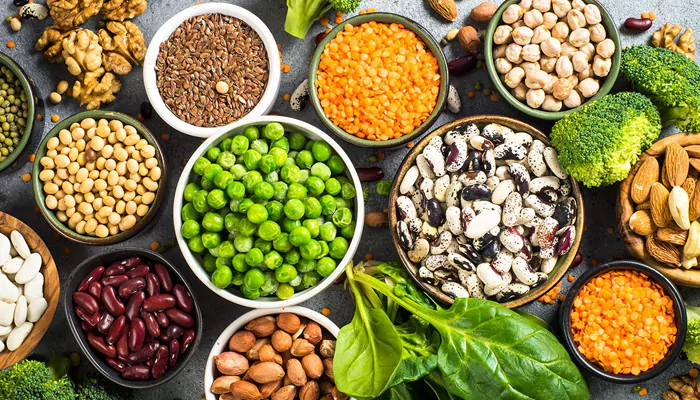
Plant-based foods moved beyond trendiness toward real adoption. Whether consumers chose plant-based meat alternatives, dairy substitutes or simply more vegetables, a rising market and improved product taste profiles helped families include more greens without sacrificing flavour. Market research in 2025 showed the plant-based segment expanding quickly, indicating that many Indians are making flexible, health-forward swaps.
Functional Foods & Gut Health: Microbes Matter
2025 was a year when probiotics and functional foods became household terms in India. Gut-health products, fermented picks, probiotic drinks, fortified cereals and enzyme-rich foods sold well as consumers looked to immunity and digestion for overall wellness. Scientific reviews and national knowledge networks pushed evidence-based benefits, making functional foods a credible part of daily diets.
Organic & Clean Eating: Demand Climbed, Supply Caught Up
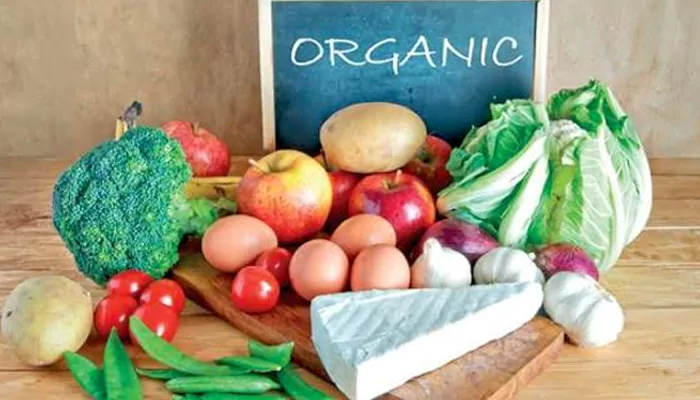
Organics moved out of boutique stores and into mainstream retail. Packaged organic staples and fresh produce saw rising sales, driven by urban households willing to pay a premium for pesticide-free options. Market trackers in 2025 recorded healthy growth in the organic segment, reflecting increased trust and better distribution from farm to fork.
What Drove the Change: Convenience, Evidence & Culture
Three forces powered healthier eating in 2025:
Convenience: ready-to-cook millet mixes, chilled probiotic drinks and organic e-commerce made choices easy.
Evidence: accessible research, mainstream media explainers and doctor recommendations reduced confusion.
Culture: chefs and food creators reimagined traditional recipes; think millet pongal with ghee or ragi dosa with probiotic chutney, so health didn’t mean compromise.
A Few Simple Habits That Spread Fast
Swapping white rice for a millet mix twice a week.
Using ghee sparingly for tempering rather than deep frying.
Adding a daily fermented item (curd, dosa, kanji) to boost gut health.=
Choosing plant-protein meals once or twice weekly.
What 2026 Should Learn from 2025
If 2025 taught us anything, it’s that sustainable health is a blend, not a rejection. Combining traditional ingredients (ghee, dals, spices) with modern science (functional foods, probiotics) and climate-smart choices (millets, organics) produces diets that are nutritious, delicious and more resilient to supply shocks.
For policymakers and businesses, the priority is clear: scale affordable healthy options and keep nutrition messaging simple and local.