From Food Prices to Electricity Bills: How a Super El Niño Could Quietly Affect Everyday Life
- Soham Halder
- 4 months ago
- 4 minutes read
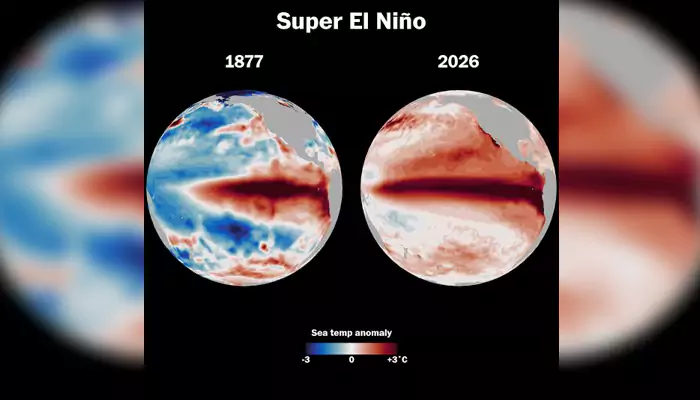
Climate warnings often sound distant or highly scientific, but some weather events have the power to affect daily life in surprisingly personal ways. One such phenomenon is “Super El Niño,” which scientists are now watching closely as global ocean temperatures continue rising.
Experts say a strong El Niño event can influence weather patterns across many parts of the world, increasing the risk of extreme heat, droughts, irregular rainfall, and food supply disruptions. Recent reports suggest climate scientists are concerned about conditions that could support another unusually powerful El Niño phase in the coming months.
While the term may sound technical, the effects could eventually be felt by ordinary households through rising electricity bills, food prices, water stress, and uncomfortable living conditions.
Why Super El Niño Matters Beyond Weather Forecasts
El Niño is a natural climate pattern linked to warming ocean temperatures in the Pacific Ocean. But when the warming becomes especially strong, experts often describe it as a “Super El Niño.”
Such events can disturb weather systems worldwide and trigger:
- intense heatwaves
- unpredictable rainfall patterns
For countries like India, this can influence summer temperatures, monsoon performance, and agricultural productivity. Climate experts say extreme weather events are becoming more concerning because global temperatures are already rising due to climate change.
Food Prices Could Slowly Feel the Impact
One of the biggest concerns during strong El Niño years is agriculture. Irregular rainfall, drought conditions, or excessive heat can affect crop yields and farming cycles. This may eventually influence the prices of:
- vegetables and grains
- milk and packaged foods
Experts say consumers may not notice changes immediately, but weather-related disruptions often ripple slowly through supply chains.
For families already managing inflation pressure, even moderate increases in food prices can affect monthly household budgets.
Electricity Bills and Cooling Costs May Rise Too
Extreme heat is another major concern associated with powerful El Niño conditions. As temperatures rise, households tend to rely more heavily on:
- air conditioners and coolers
- fans and refrigeration systems
This increases electricity consumption, especially in urban areas already experiencing long summer heatwaves. Experts warn that prolonged heat can also strain power systems and increase energy demand nationwide.
For many middle-class families, rising cooling costs may quietly become one of the biggest seasonal financial pressures.
Water Stress Could Become More Visible
Weather irregularities linked to El Niño can also influence water availability. In some regions, reduced rainfall or delayed monsoons may increase concerns around:
- water shortages
- declining reservoir levels
Cities already struggling with summer water stress may face additional pressure if temperatures remain unusually high for longer periods. Experts say climate preparedness is becoming increasingly important as weather patterns grow more unpredictable.
The Emotional Impact of Extreme Weather Is Growing Too
Beyond economics, extreme heat and weather uncertainty also affect mental and physical well-being.
Long heatwaves can lead to:
- sleep disruption and fatigue
- stress and reduced productivity
Outdoor workers, elderly citizens, and children often face higher risks during prolonged high-temperature periods. Doctors say staying hydrated, avoiding peak heat hours, and maintaining indoor ventilation may become increasingly important during intense summer conditions.
Why Climate Conversations Are Becoming More Personal
For many years, climate discussions were viewed mainly as environmental or scientific concerns. But increasingly, ordinary households are beginning to experience the direct effects through rising living costs and changing daily routines. Experts believe events like Super El Niño highlight how deeply weather systems are connected to food, energy, travel, and public health.
Closing Note: Climate Events Are No Longer Distant Problems
The possibility of another Super El Niño is not just a scientific discussion happening far away in climate research centres. Its effects could slowly reach homes, markets, workplaces, and daily life in visible ways. From grocery bills to electricity expenses, weather patterns are becoming more closely tied to household economics than many people realise, making climate awareness increasingly important for ordinary families as well.