Heatwave Preparedness Begins : What the Government Has Asked States to Do and How It Can Protect You
- Devyani
- 4 months ago
- 3 minutes read
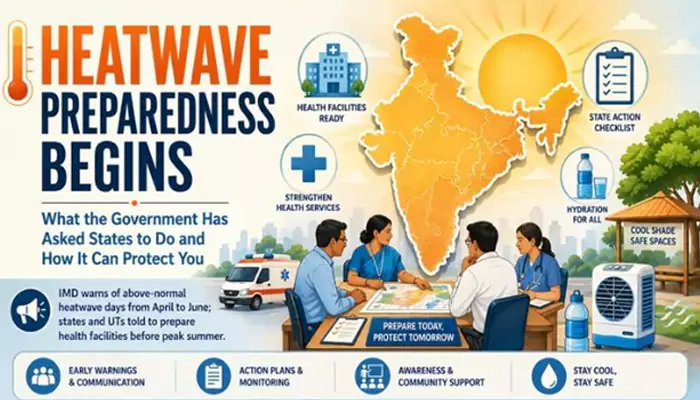
With IMD warning of above-normal heatwave days from April to June, the Centre has asked states and Union Territories to prepare health facilities before peak summer pressure builds.
Before the worst of summer settles in, the Union Health Ministry has asked all states and Union Territories to activate a public-health plan for the heatwave season. The advisory asks health facilities to set up dedicated Heat Stroke Management Units, keep ambulance services fully ready, send early warnings to communities, and report heatstroke cases in real time through the Ministry’s Integrated Health Information Platform, or IHIP.
The communication was sent after the India Meteorological Department’s updated seasonal outlook warned that India may see above-normal heatwave days between April and June 2026 across large parts of the country.
This is not just another routine circular sitting in a government inbox. The concern is timing. April has already shown how quickly heat can become a health issue, and May-June usually brings the real test.
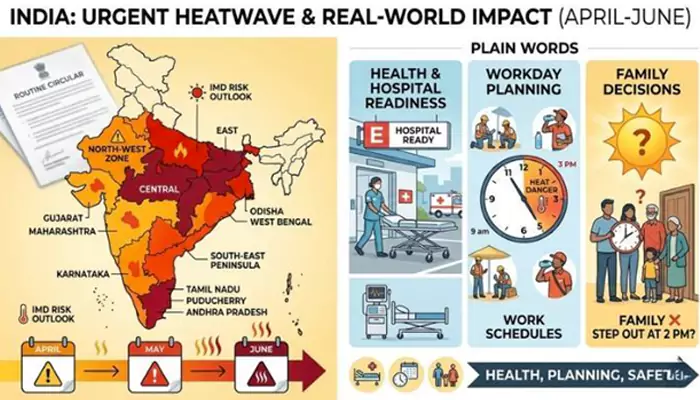
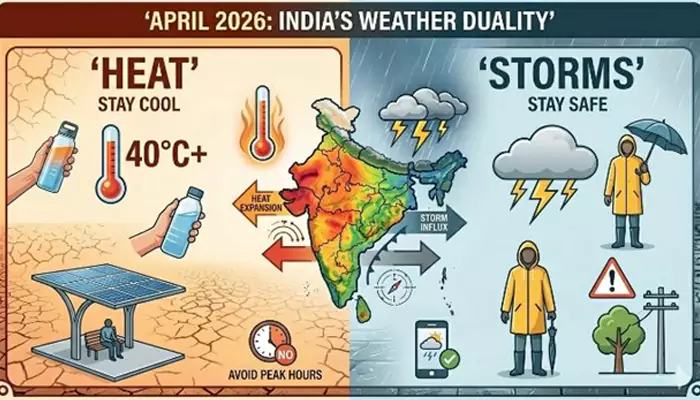
The IMD outlook points to higher heatwave risk across parts of East, Central and North-West India, along with the South-East Peninsula. Coastal areas of Odisha, West Bengal, Tamil Nadu, Puducherry and Andhra Pradesh are expected to be affected, while isolated regions of Gujarat, Maharashtra and Karnataka may also see heatwave conditions.
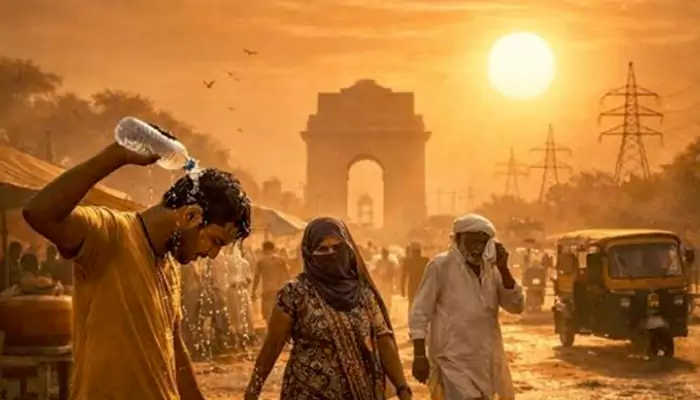
In plain words: the heat is not only a weather story now. It is a hospital-readiness story, a workday-planning story, and for many families, a “should we go out at 2 pm?” story.
How It Can Impact People
The first impact will be felt in health centres. If the plan is followed properly, patients with heat exhaustion or heatstroke should get quicker cooling support and faster referral. Ambulances are also expected to remain staffed and operational, which matters because heat illness can worsen quickly if help is delayed.
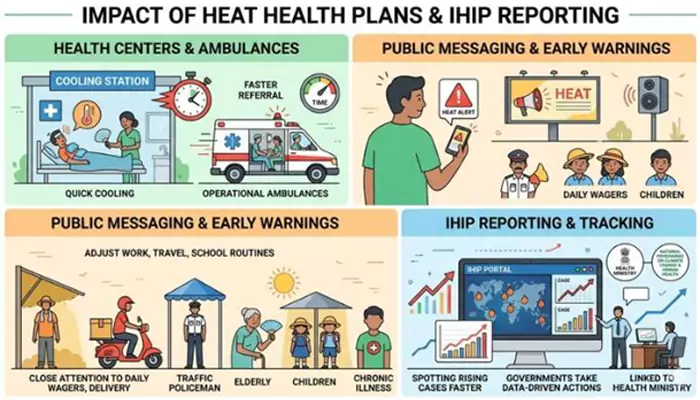
The second impact is public messaging. States have been told to push early warnings so people get time to adjust work, travel and school routines. Daily wage workers, delivery riders, traffic police, elderly people, children and those with chronic illnesses are the groups that need the closest attention. Not panic. Just attention.
IHIP reporting also gives officials a faster picture of where heatstroke cases are rising. The government’s IHIP portal is linked to the National Programme on Climate Change and Human Health under the Health Ministry.
What The Public Should Know And Do
People should watch local heat alerts, especially during late morning and afternoon. Carry water, use ORS when needed, wear loose cotton clothes, and avoid long exposure in direct sun. If someone develops dizziness, confusion, fainting, very high body temperature or stops sweating despite heat, treat it as urgent.
Simple habits count here. Step out early. Rest in shade. Check on older family members. And don’t wait too long before seeking medical help.