December 5: When Kolkata Was Bombed; The Forgotten Day in India’s WWII History
- Soham Halder
- 2 weeks ago
- 4 minutes read

A day of blackouts, sirens and silent grief, Kolkata’s December 5 that history almost forgot.
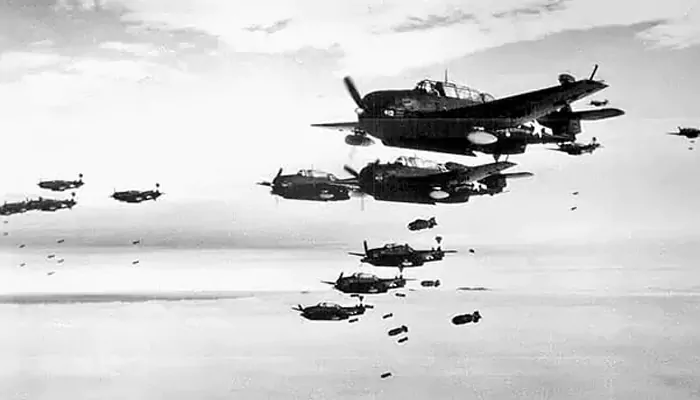
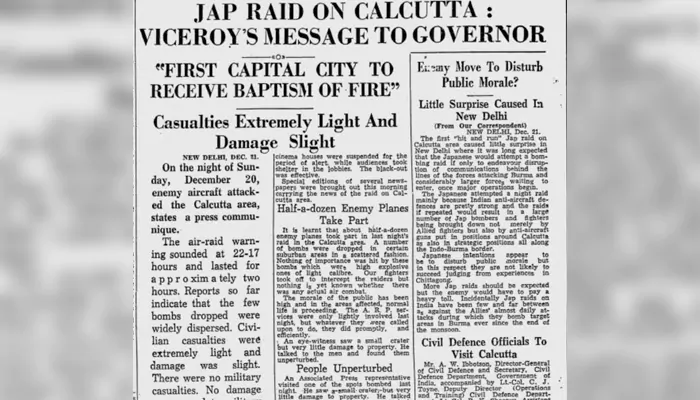
On 5 December 1943, the city now known as Kolkata endured one of the most devastating air raids of the Second World War. Japanese warplanes targeted the city’s docks, especially the Kidderpore Dock, dropping bombs that tore through lives and livelihoods. Estimates of casualties vary, but even conservative accounts record around 42 lives lost among dock labourers and local residents.
The attack was not in isolation. Between late 1942 and mid-1944, Kolkata (then Calcutta) witnessed a series of air raids by the Imperial Japanese Army Air Force aimed at crippling the British supply lines operating out of the city’s ports. These bombings shattered the illusion of safety in India’s urban centres, reminding residents that war was not limited to distant European battlefields, it had arrived at their doorstep.
Why Kolkata Became a Target
During World War II, Kolkata was more than just a city, it was a vital hub for the Allied war effort in the Burma-China-India theatre. The city supplied troops, handled cargo ships, and coordinated supplies bound for the front. As Japanese forces advanced and threatened Allied positions across Southeast Asia, disabling Kolkata’s port became a strategic objective.
To defend the city and maintain morale, the colonial authorities even converted the broad stretch of Red Road, a central boulevard into an emergency airstrip for RAF planes, repurposing ceremonial roadways for wartime use.
The Horror of That Day: Civilians, Chaos & Collapse
Witness accounts recount the horror of December 5: a sudden siren, panicked crowds, and bombs raining down on the crowded dock area in broad daylight, a first for the city which until then had mostly endured night raids. Labourers fled in panic, families scrambled to shelter, and chaos reigned. Many homes and warehouses caught fire; shops and public structures were wrecked.
Reports suggest the bombs weren’t only aimed at ships, the docks held water tanks and infrastructure vital for the city’s survival. One of the feared targets was the Tallah water tank; had it been hit, access to clean drinking water would have been severely compromised. Locals recall that British authorities tried to camouflage some vital installations, covering tanks with grass or tarpaulin, hoping enemy reconnaissance planes would miss them.
Aftermath: Fear, Exodus and Collective Memory
In the days and months that followed, many dock workers abandoned their jobs and fled the city, fearing repeated air raids. The port shut down partially; ship traffic stalled; commerce dipped. Within months, the region was hit by the catastrophic famine of 1943 and many historians link the port disruption and wartime food scarcity to the famine’s severity.
Decades later, thousands of decommissioned bombs surfacing near Kolkata during dredging or river bed clearance serve as eerie reminders that the war’s legacy never fully left the region.
Why We’ve Forgotten And Why We Must Remember
Several factors contributed to the near erasure of December 5 from popular memory.
The horror of the 1943 famine consumed collective grief, overshadowing the bombing.
Post-independence, narratives focused more on freedom struggle than wartime tragedies under colonial rule.
Archival neglect and lack of documentation made stories oral and unverified.
Yet for older Kolkata families, the memory lingers; air-raid sirens, emergency shelters, whispered stories of lost relatives. As recently as 2025, some of the city’s elderly residents recalled sirens and blackouts with chilling clarity.
Lessons from December 5: Relevance for Today
Collective memory matters. In a city with over 15 million residents, every generation forgets a bit more. If we don’t document tragedies, we risk losing vital lessons.
Infrastructure needs resilience. Kidderpore docks, water tanks, transport corridors, all vital for a city’s survival. Conflict showed how fragile they can be. Modern Kolkata must ensure safety nets, disaster readiness and preservation of historical memory.
Human cost must never be forgotten. Labourers, dock-workers, civilians and ordinary people bore the brunt. Their stories deserve recognition, not erasure.
Final Thoughts: Memory Is Our Strongest Defense
Cities live on their people and their memories. December 5, 1943 was a day of destruction, but also a day that tested Kolkata’s spirit. As decades passed, bombs corroded but memories remained in whispered stories, in cracked buildings, and in the old skulls of those who survived.
This article is not just a tribute. It’s a call to remember, to record, to honour. For if we forget, history risks repeating itself.