
A Look at Top 10 Indian cities with the worst and best AQI in 2025
- Devyani
- 14 hours ago
- 4 minutes read
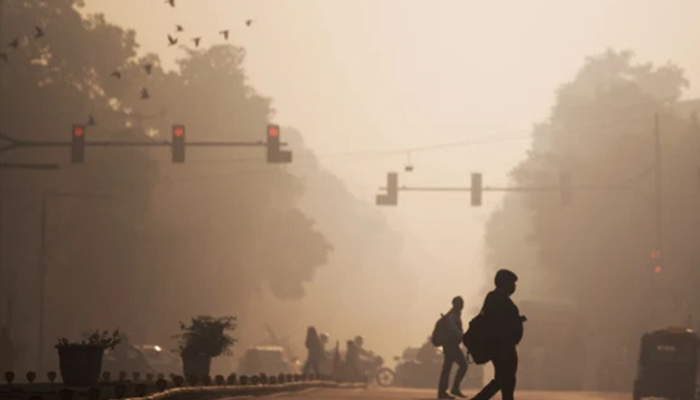
From Delhi’s perennial grey haze to the startling toxic spikes in Kolkata, 2025 proved that breathing clean air in India is no longer a right - it’s a luxury postcode.
If you looked at India from a satellite in 2025, you’d see a country cleanly sliced in half by its air quality. On one side, a northern and eastern belt wrapped in a persistent, dirty blanket of particulate matter; on the other, a southern peninsula that still remembers what blue sky looks like.
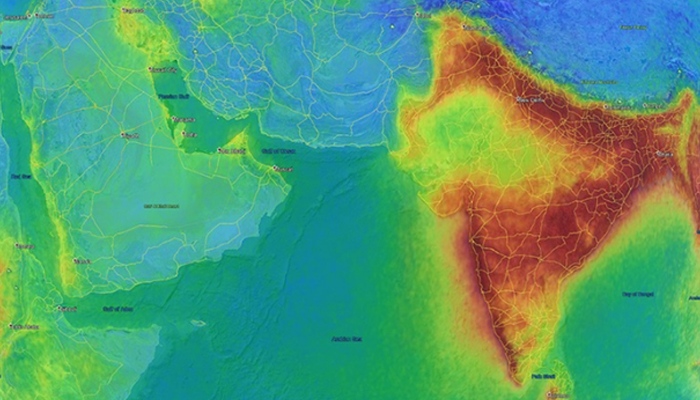
Imaging by Sentinel-5P satellite
(BBC News)
The data from 2025 didn’t just shuffle the usual suspects - it revealed a terrifying widening of the pollution map, proving that the "bad air" problem has officially migrated beyond the capital.
The Chokehold: Delhi, NCR, and the Kolkata Anomaly
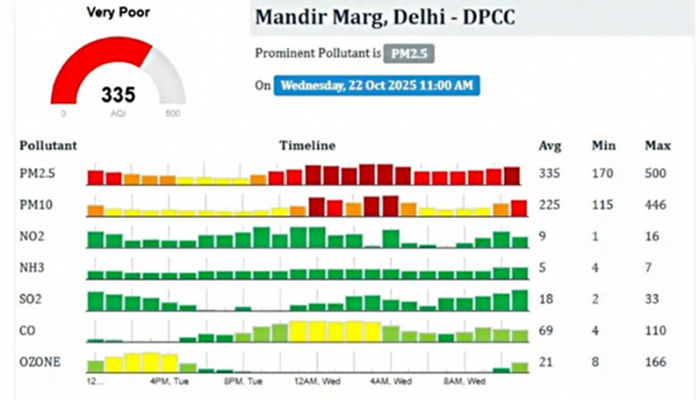
Credit: NDTV
For years, Delhi has held the dubious crown, and 2025 was no different. With an AQI averaging 357 and frequently hitting "Severe" (400+), the capital remained a breathless struggle of construction dust and vehicular exhaust. Satellite cities like Ghaziabad (332) and Hapur (287) acted as loyal courtiers in this kingdom of smog, mirroring the capital’s grey misery.
Delhi smog
(@aljazeeraenglish/Instagram)
But the real shocker of 2025 wasn’t in the north - it was in the east. Kolkata muscled its way into the conversation with alarming aggression. While national headlines focused on Delhi, Kolkata quietly choked, recording AQI levels that actually surpassed Delhi’s during critical weeks in December 2025. It wasn't just a bad week; international rankings frequently placed it as the 4th most polluted city globally this year.
https://www.instagram.com/p/DSJYfNVE61D/?igsh=N2N1Nzd4d3BqdWVu
(@thekolkatabuzz_/Instagram)
Unlike the stubble-burning smog of the north, Kolkata’s poison is a homegrown cocktail of ancient commercial vehicles and temperature inversions that trap diesel fumes at nose height - making it arguably the most dangerous metro to walk in.
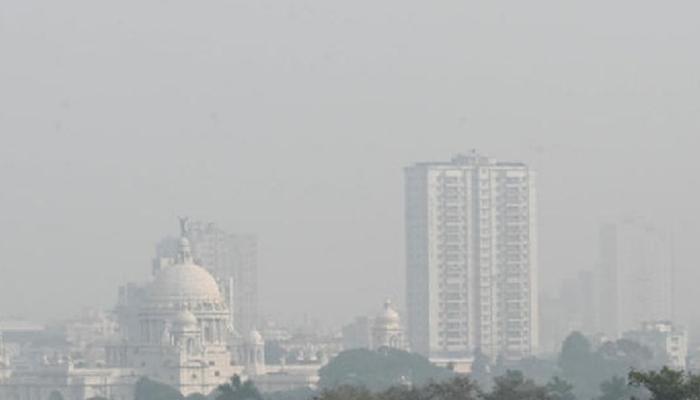
Smog covers Kolkata
(Credits: Telegraph India)
Meanwhile, the tiny industrial town of Byrnihat in Meghalaya played the role of the silent assassin. Often topping daily charts with an AQI of 303+, it proved that you don’t need to be a megacity to have apocalyptic air; you just need unregulated industry in a valley.
Byrinhat Air Pollution
((@t7news/InstagraM)
Dhanbad (277) and Greater Noida (270) rounded out a list that felt less like a ranking and more like a health warning.
The Lungs of India: Where the Air Still Works
(@maps_by_india/Instagram)
You have to head south, or high up to find the antidote. The list of cities with the best AQI in 2025 reads like a travel brochure for respiratory relief. Tirunelveli in Tamil Nadu emerged as the absolute champion, boasting an AQI of 33 in January - a number so low it almost feels like a typo compared to the north.
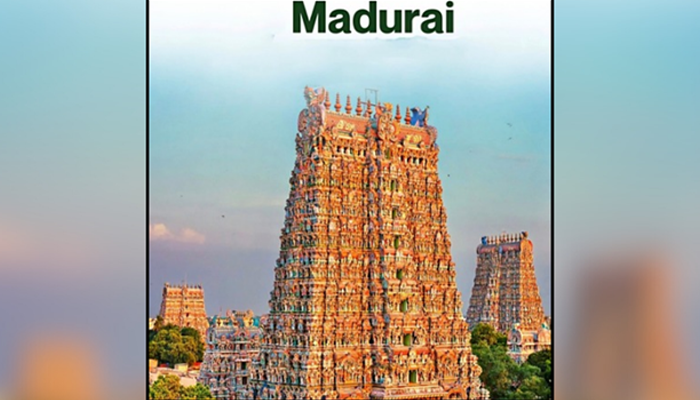
AQI 27
It wasn’t alone. Madurai (27) and Thanjavur (47) kept the flag flying for Tamil Nadu, aided by coastal breezes that naturally scrub the air clean. Up in the northeast - far from Byrnihat’s industrial shadow - Shillong stunned with an AQI of 12 in November, offering the kind of crisp, pine-scented air that urban Indians have largely forgotten exists.

AQI 30
Maharashtra offered its own pockets of relief: Ahmednagar (25) and Nashik (30) consistently stayed in the "Good" category, proving that industrial states aren’t entirely doomed if the geography and wind patterns play ball. Even Mysuru and Vijayapura in Karnataka held steady in the green zone, benefiting from strict heritage-zone traffic rules and decent green cover.
The gap is widening. In 2025, moving from Ghaziabad to Tirunelveli wasn’t just a change of address; it was essentially upgrading your life expectancy.
While Delhi and Kolkata fight over who has the grittier air, the south remains India’s last great oxygen tank. The lesson from 2025 is stark: if you want to breathe freely, check the latitude before you check the rent.
