Cricket & Political Differences: Is Globalisation Possible With Such Hindrance?
- Rohit Chatterjee
- 5 months ago
- 4 minutes read
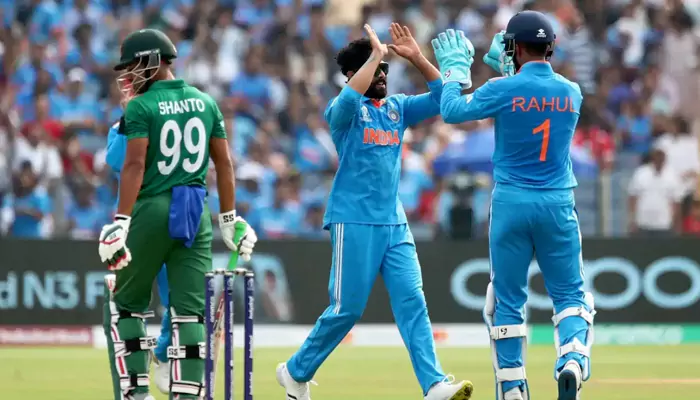
With new countries from Europe, North America, and Africa joining the world of cricket, how long can teams in the Indian subcontinent continue taking a dig at each other?
People often say sports should not be politicised. However, the nature of geopolitics is such that sports teams aren’t only about playing matches. It is about representing a country with pride, supporting the country in matters beyond the field, and also ensuring the opposition nation’s economy takes a hit. After all, sports generate massive revenue, and cricket is no different.
Cricket in Asia, especially in the subcontinent, is the most followed sport, but unfortunately, the geopolitical situation between India, PAK, and Bangladesh may become a hindrance for its globalisation.
India vs. Bangladesh T20 row
Merely a month before the ICC T20 World Cup, India and Bangladesh have dug claws into each other following differences in rel*gious and geopolitical matters. First, India, taking note of incidents in Bangladesh, released Mustafizur Rahman from the upcoming IPL, to which Bangladesh retaliated by denying a visit to India for the World Cup.
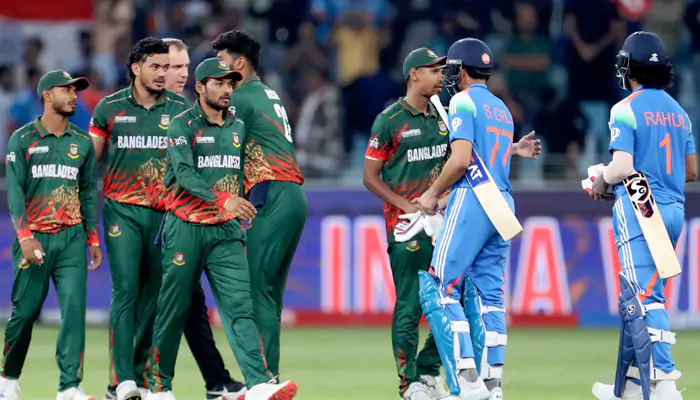
(Credit- Al Jazeera)
India has its reasons and justifications for the move, and thanks to being a powerful cricket-playing nation with a financially strong board, Bangladesh may be compelled to listen to the ICC, which has already denied Bangladesh’s request.
World is watching
Who is correct? Who is not? Those are not the questions to be fiddled with, but the world is watching. Given that cricket is aiming to go global and establish itself like football, new nations are joining the sport.

For the T20 World Cup, several minnow nations, such as the USA, the Netherlands, Ireland, Oman, Italy, Canada, and the UAE, will visit India & Sri Lanka. And when they do, they will take note of the situation and think if cricket is a game they should focus on, given that currently, with merely 12 full members, there are too many battles being fought off the ground.
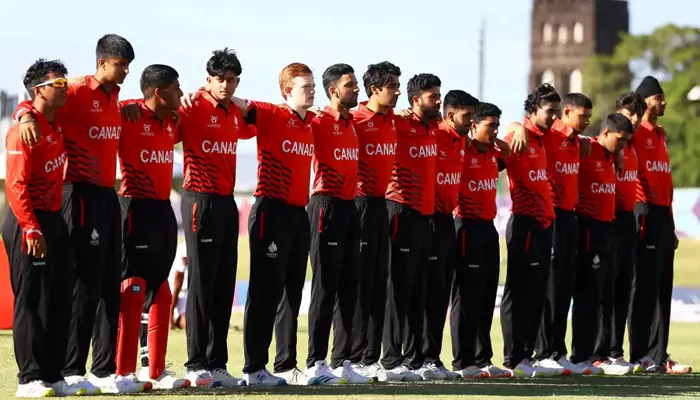
At times, the focus is off the game whereas on some occasions, it seems only a handful of teams are milking development and profits but majority of the teams are showing no improvement, be it in terms of performance or infrastructure at home.
Change in monopoly
Once upon a time, the West Indies were the big boys of cricket. Later, Australia started dominating the game, and today, the baton is in India’s hands. However, if history has taught us anything, it is that one team’s monopoly doesn’t last forever—one king’s reign doesn’t last forever.
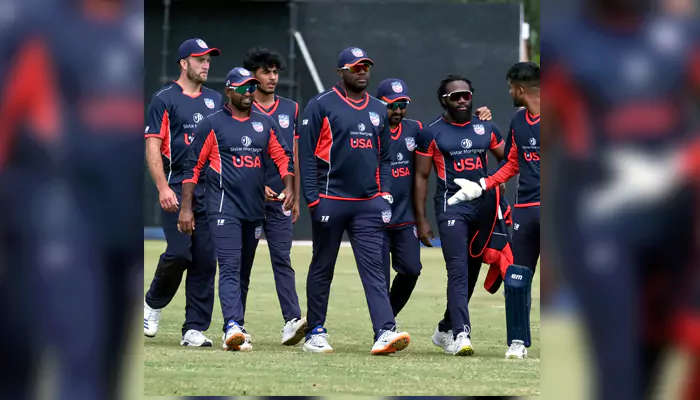
A decade or two from now, when politically strong countries such as the USA, Italy, and a few others gain some ground in cricket, will the monopoly of countries and cricket boards in the subcontinent remain intact as it is now?
In fact, if we look at the countries in the subcontinent and their participation in other tournaments beyond cricket, the said countries have participated against each other in the Olympics, Hockey World Cup, and so on because those tournaments aren’t exactly their stronghold.

PAK denied a visit to India during last year’s Hockey Asia Cup, but it was organised by the Asian Hockey Federation, not the International Hockey Federation. Could they have denied a World Cup visit to India by pressurising the Federation? We doubt that.
Ban or selective participation
In global sports, there have been bans on some countries, but those bans were put in place due to things such as w*r, doping, or government instances. For example, the Muscovite state and Belarus have been banned after they started the ongoing conflict with Ukr*ine. However, pulling out of the tournament for whatever reason also leads to getting banned.

For example, in 2020, North Korea pulled out of the Olympics, citing the pandemic. However, many claimed that it was Korea’s efforts to have direct dialogue with the United States of America rather than having discussions on non-sporting affairs amidst sports events and venues.
Overall, for a sport that aims to go global, such frequent disruptions may become a hindrance. After all, one must not forget that the countries in the subcontinent have very limited presence and power in other global sports. Therefore, if such skirmishes continue in cricket, a time may come when other teams could overtake the teams in the subcontinent in terms of performances, the board’s finances, and monopoly.



.webp)
.webp)