
Thinking About Buying a Vehicle? Delhi's Upcoming EV Policy Could Influence Your Decision
- Soham Halder
- 3 months ago
- 4 minutes read
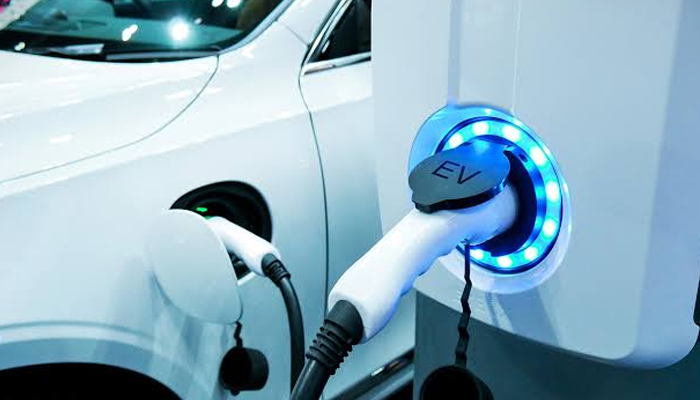
Buying a new vehicle is often a major financial decision. Buyers typically compare prices, fuel costs, maintenance expenses, and long-term value before making a choice. However, for residents of Delhi and those closely watching India's electric mobility transition, another factor may soon become important: the capital's upcoming electric vehicle (EV) policy.
The Delhi government is reportedly preparing to roll out a new EV policy in the coming weeks. While the final details are yet to be announced, the policy is expected to focus on accelerating electric vehicle adoption, strengthening charging infrastructure, and supporting the city's broader environmental goals.
For prospective vehicle buyers, the policy could influence whether a petrol, diesel, hybrid, or electric vehicle makes the most sense in the years ahead.
Why Delhi Continues to Push Electric Mobility
Delhi has been one of India's most active cities when it comes to promoting electric vehicles. The reasons are not difficult to understand. The city faces significant air pollution challenges and has long sought ways to reduce vehicle emissions. Since transportation contributes substantially to urban pollution, encouraging cleaner alternatives has become a priority.
Electric vehicles offer the advantage of zero tailpipe emissions, making them an important part of the city's long-term environmental strategy. The upcoming policy is expected to build on earlier efforts and encourage even greater EV adoption.
What Potential Buyers Are Watching Closely
Whenever a new EV policy is announced, consumers tend to focus on a few key questions. Will there be incentives for purchasing electric vehicles? Will charging infrastructure become more accessible? Will operating an EV become more convenient than owning a conventional vehicle?
These factors can significantly influence purchasing decisions. A supportive policy may improve affordability and convenience, making electric vehicles more attractive to first-time buyers. As a result, some consumers may choose to wait before making a final vehicle purchase decision.
The Economics of Going Electric
One of the strongest arguments in favor of electric vehicles is operating cost. Although EVs can sometimes have higher upfront prices compared to traditional vehicles, they often offer lower running and maintenance expenses. Electricity generally costs less than petrol or diesel on a per-kilometer basis, and electric motors contain fewer moving parts that require servicing.
For daily commuters, these savings can become significant over time. As fuel prices continue to fluctuate, many consumers are increasingly evaluating long-term ownership costs rather than focusing solely on the purchase price.
Infrastructure Remains a Key Challenge
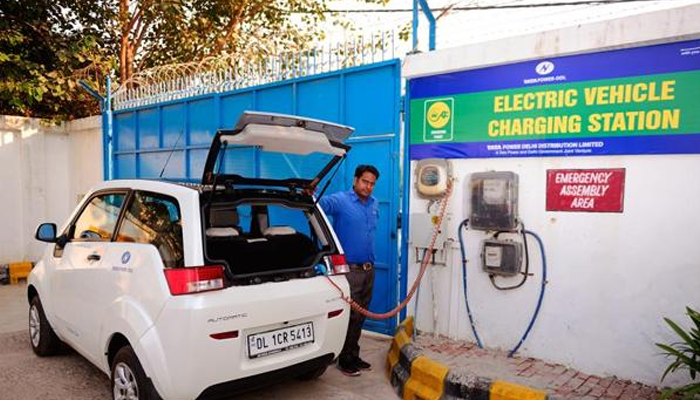
While EV adoption is growing, infrastructure remains an important consideration. Potential buyers often cite charging availability as one of their biggest concerns. Unlike conventional fuel stations, charging networks are still expanding across many parts of the country.
This is why infrastructure development is likely to play a major role in Delhi's upcoming policy. Expanding charging access could increase consumer confidence and make EV ownership more practical for a larger number of residents. Without adequate charging support, even the most attractive incentives may have limited impact.
A Shift in How People Think About Vehicles
The conversation around vehicle ownership is changing. In the past, consumers primarily compared engine performance, fuel efficiency, and resale value. Today, buyers are increasingly considering environmental impact, energy efficiency, and future regulations.
As governments around the world encourage cleaner transportation options, vehicle purchases are becoming decisions that extend beyond personal convenience. Delhi's new policy reflects this broader transition toward sustainable mobility.
Final Thoughts
Delhi's upcoming EV policy may not determine every vehicle purchase, but it could certainly influence how consumers evaluate their options. Buyers who are currently considering a new vehicle may find themselves paying closer attention to electric alternatives as the policy details emerge.
Whether someone ultimately chooses an EV or a conventional vehicle, the larger trend is clear: electric mobility is becoming an increasingly important part of India's transportation future. For consumers, understanding these changes today may help them make more informed decisions tomorrow.


