The Economics of Love: How Valentine’s Week boosts dating, food, and gifting industries
- Soham Halder
- 18 hours ago
- 4 minutes read

From Roses to Revenues: How Valentine’s Week Fuels India’s Love Economy!
Valentine’s Week in India is no longer just about red roses and romantic dinners. It has quietly evolved into a multi-industry economic engine, one that fuels dating apps, restaurants, cafés, florists, gift brands, and even logistics companies. Love, it turns out, is not just emotional currency; it’s a powerful commercial force.
From February 7 to February 14, consumer behaviour shifts noticeably. Spending rises, impulse buying peaks, and experiences take centre stage. Let’s take a closer look at how Valentine’s Week reshapes India’s economy, one swipe, reservation, and gift box at a time.
Dating Apps: When Matches Mean Money
Valentine’s Week is peak season for dating platforms in India. Apps like Tinder, Bumble, and Hinge often report a surge in new sign-ups, profile activity, and premium subscriptions during this period.
Why? Because love feels urgent in February. People who’ve been “just browsing” suddenly feel motivated to match, chat, and meet. Limited-time features, Valentine-themed badges, and boosted profiles turn emotional intent into paid conversions.
For dating platforms, Valentine’s Week isn’t just about connections, it’s about user engagement translating into revenue, making it one of the most profitable windows of the year.
Food & Beverage: Romance Served on a Plate
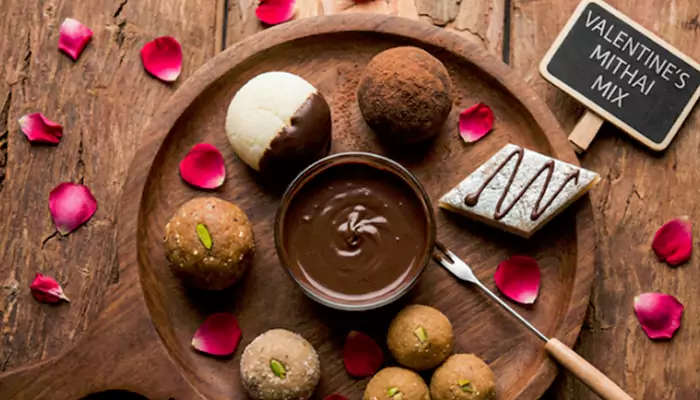
Restaurants, cafés, and cloud kitchens experience one of their busiest weeks in February. Valentine’s Day menus, couple discounts, heart-shaped desserts, and candlelight dining experiences drive higher footfall and online orders.
In metros and Tier-1 cities, reservations are often booked days in advance. Even Tier-2 cities are seeing a steady rise in Valentine-themed dining, reflecting changing social norms and increased disposable income among young Indians.
Food delivery platforms also cash in, with curated “Valentine’s Specials,” dessert combos, and midnight delivery offers. Love might be unpredictable, but February demand spikes are not.

Gifting Industry: Emotions, Packaged and Delivered
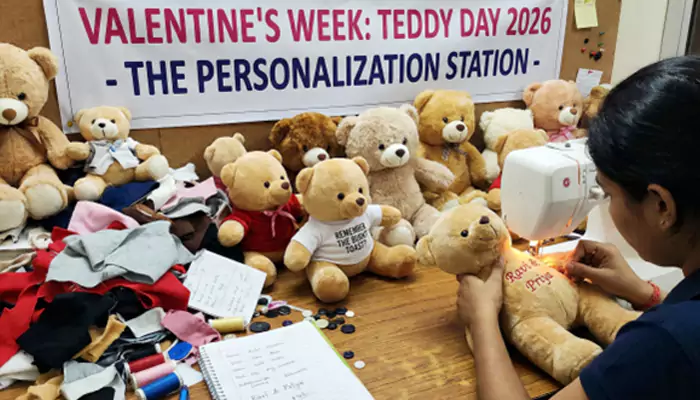
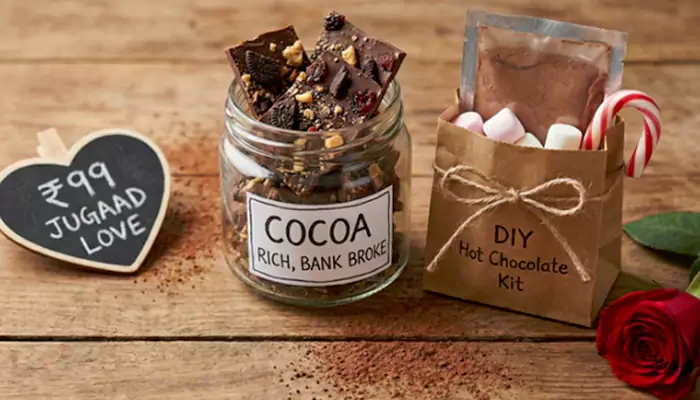
The gifting industry arguably benefits the most during Valentine’s Week. Flowers, chocolates, personalised gifts, soft toys, jewellery, and greeting cards dominate both online and offline sales.
E-commerce platforms witness higher traffic, while quick-commerce players step in with same-day or even two-hour delivery options. Convenience becomes a major selling point, because love, apparently, can’t wait.
What’s interesting is the shift in consumer preference. Indian buyers are moving beyond generic gifts towards customised, meaningful, and experience-based options. Personalisation drives higher price points, boosting overall market value.
The Rise of Experiences Over Objects
Younger Indian consumers, especially Gen Z and millennials, are increasingly spending on experiences, concert tickets, short getaways, workshops, and curated date activities.
This shift benefits travel platforms, event organisers, and local businesses offering unique couple experiences. Valentine’s Week has become less about “what did you buy?” and more about “what did you do together?”
Emotion-driven spending is now experience-led, making the love economy more diverse and resilient.
Marketing Meets Emotion
Brands don’t just sell products during Valentine’s Week, they sell feelings. Advertising campaigns tap into companionship, self-love, long-term relationships, and even singlehood.
Indian brands have become smarter, more inclusive, and emotionally intelligent in their messaging. This emotional alignment builds brand recall long after February ends, making Valentine’s Week a strategic branding opportunity, not just a seasonal sale.

A Quiet Boost to the Informal Economy
Beyond big brands, Valentine’s Week also benefits small businesses, local florists, home bakers, artists, gift curators, and freelance decorators. Instagram and WhatsApp have become storefronts for micro-entrepreneurs capitalising on love-led demand.
This seasonal surge provides short-term income opportunities and highlights how emotional occasions can empower grassroots commerce.
The Bigger Picture
Valentine’s Week proves one thing clearly: emotions influence economics. Love shapes consumer behaviour, drives spending, and creates opportunities across sectors.
In a country as diverse as India, where traditions meet modern lifestyles, Valentine’s Week has carved out its own economic identity, one that grows stronger every year.
So the next time you book a date, order flowers, or swipe right in February, remember, you’re not just celebrating love. You’re participating in a thriving economy built on connection.