Here are today’s most important updates from the realm of Science and Space.
End of Paid Coding? AI May Change Everything
The human cost of coding could fall dramatically and may even reach zero in the future, according to R Srikrishna, CEO and Executive Director of Hexaware Technologies. Speaking to Forbes India, he said rapid advances in artificial intelligence are set to transform how software is built and maintained. The comments come amid the growing popularity of "vibe coding", where users generate software using natural language prompts. This approach has helped non-coders build prototypes quickly and has widened access to development tools. However, it still struggles with complex tasks such as integrating multiple systems, handling large codebases, and managing third-party APIs.
NASA Plans Lunar Base, Eyes Nuclear Power for Mars Journey
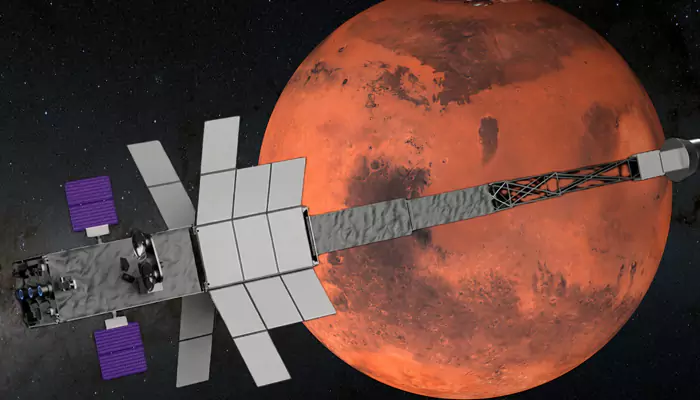
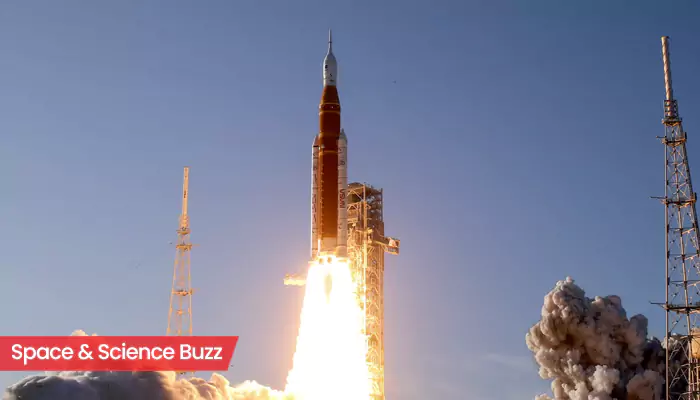
NASA has unveiled plans to build a permanent base on the moon and send a nuclear-powered spacecraft to Mars by 2028. The agency's new initiative, dubbed "Ignition," aims to establish a sustainable human presence on the lunar surface and pave the way for deeper space exploration. "NASA is committed to achieving the near-impossible once again, to return to the Moon before the end of President Trump's term, build a Moon base, establish an enduring presence, and do the other things needed to ensure American leadership in space," said NASA Administrator Jared Isaacman. "This is why it is essential we leave an event like Ignition with complete alignment on the national imperative that is our collective mission. The clock is running in this great-power competition, and success or failure will be measured in months, not years.”
Years on Mars Leave Their Mark on Curiosity’s Wheels
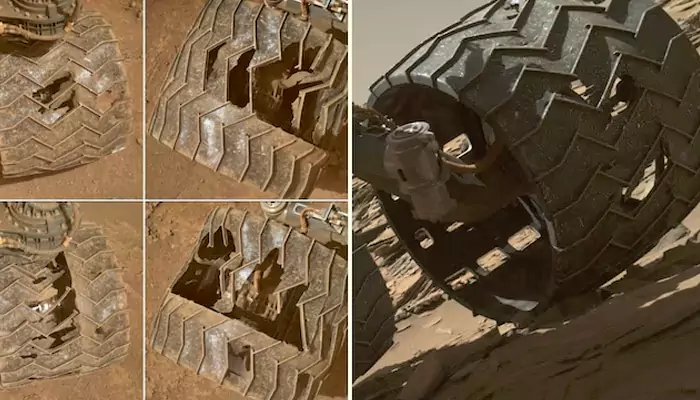
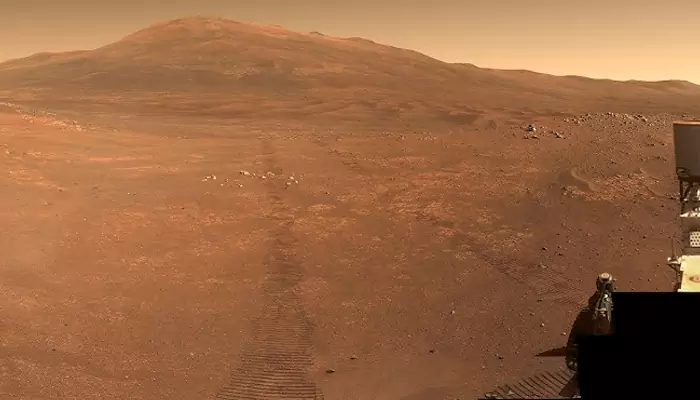
More than a decade after landing on the Red Planet, Curiosity rover continues to push the boundaries of planetary exploration, though not without visible scars. Newly released images reveal how Mars’ harsh terrain has steadily worn down the rover’s wheels, highlighting both the challenges of the mission and its extraordinary longevity. Each of Curiosity’s six wheels is just 0.75 millimeters thick, about half the thickness of a U.S. dime. Machined from a single block of aluminum, they were never intended to endure such prolonged use.
Moonfall Drones Could Redefine Lunar Exploration
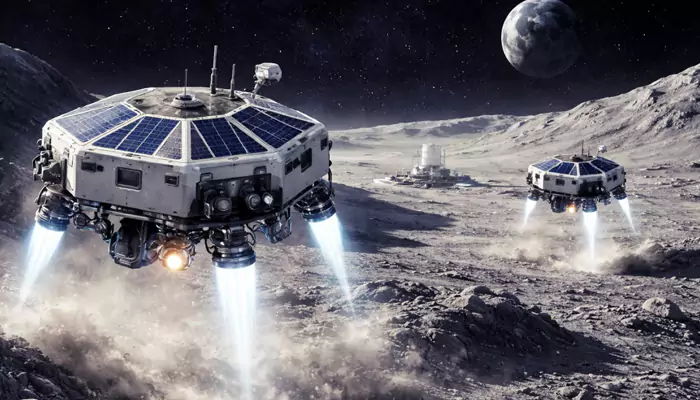
NASA is developing an ambitious new concept to deploy autonomous drones on the Moon, aiming to revolutionise how scientists explore its harsh and inaccessible terrain. The concept, called Moonfall Drones, focuses on site surveillance and terrain surveying, particularly around the lunar South Pole, one of the most scientifically valuable yet challenging regions to study. The Moonfall Drones are part of the larger Artemis mission to establish a permanent presence on the Moon and will complement the development and operation of the proposed lunar base.