
Here are today’s most important updates from the realm of Science and Space. Researchers Detect 'Potentially Habitable' Earth-Like Planet Candidate Kepler Space Telescope, a mission which was designed to survey a portion of the Milky Way galaxy, retired in 2018, but its data continues to surprise the scientists. Recently, astronomers in Australia have identified a potentially habitable Earth-sized planet candidate, HD 137010 b. It is located approximately 150 light-years from Earth. This planet orbits a Sun-like star and is about six per cent larger than Earth, earning it the nickname "where Earth meets Mars" due to its size and distance ...
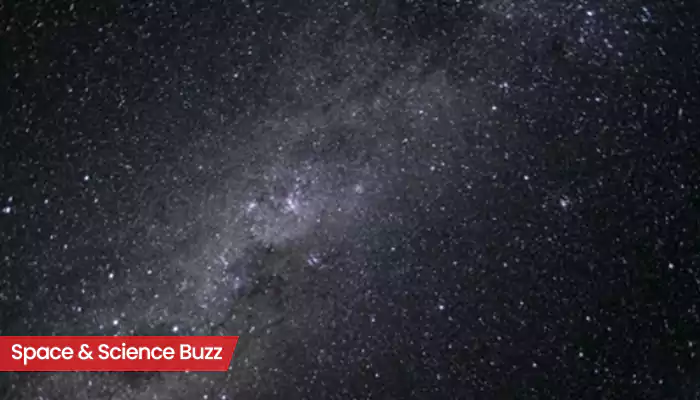
Here are today’s most important updates from the realm of Science and Space. A ‘Heavenly’ Glimpse: NASA Shares Milky Way From Space The Artemis II astronauts on Tuesday (April 7) captured a breathtaking view of our galaxy, the Milky Way, stretching across deep space. The image, which was taken after ...

Here are today’s most important updates from the realm of Science and Space. Digital Attacks Now Pose Physical Risks to Humans Cyber attacks are no longer confined to stealing data but are increasingly threatening human lives by targeting critical infrastructure, a senior cybersecurity expert has warned. Gaurav Shukla, Partner and ...



Here are today’s most important updates from the realm of Science and Space. Texas Witnesses Fiery Meteor Explosion Across the Night Sky A bright and fast-moving object in the sky surprised many people in Texas on March 21, drawing attention and curiosity across the region. Witnesses reported seeing a glowing ...

buzztribe.news is our initiative through which we wish to create a journalistic impact that acts as the foundation of an informed and happy society. In a world that’s changing fast, joy is fleeting, and the news is disturbing, we bring you your daily dose of buzzworthy news that has the “joy of knowledge” and the “happiness in truth” at its core.
More from Buzztribe News
Get in Touch
39A,
Shanti Kunj Main, Sector D,
Vasant Kunj,
New Delhi
110070
India

.WEBP)
.webp)
.webp)