
On This Day (Jan 16.): When Kalpana Chawla Boarded for Her Last Mission
- Rohit Chatterjee
- 8 months ago
- 3 minutes read
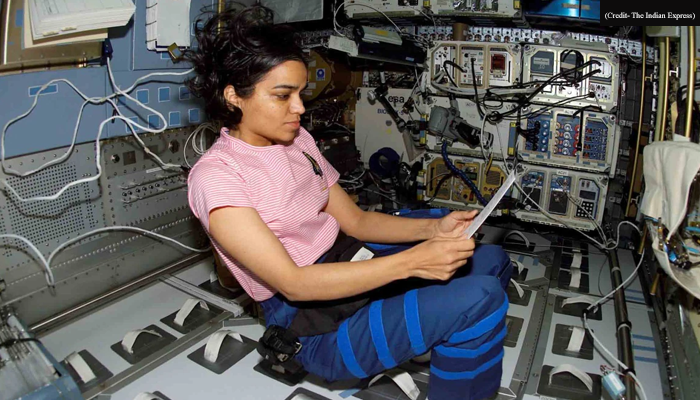
The Haryana-born Indian-American astronaut passed away at the age 40
India may be a 79-year-old sovereign nation since the British regime went away. However, in less than eight decades, the country has achieved tremendous success in various fields, including space technology, space travel and so on. On some occasions, India achieved milestones on its own, whereas on some other occasions, the country took help from other countries or worked in joint ventures.
One such milestone was the space travel of Kalpana Chawla, India’s daughter born in Haryana who went on to become an Indian-American NASA astronaut and space engineer. Unfortunately, on this day, i.e., January 16, 2003, she boarded the space shuttle Columbia for a mission which became her last.
From Haryana to NASA
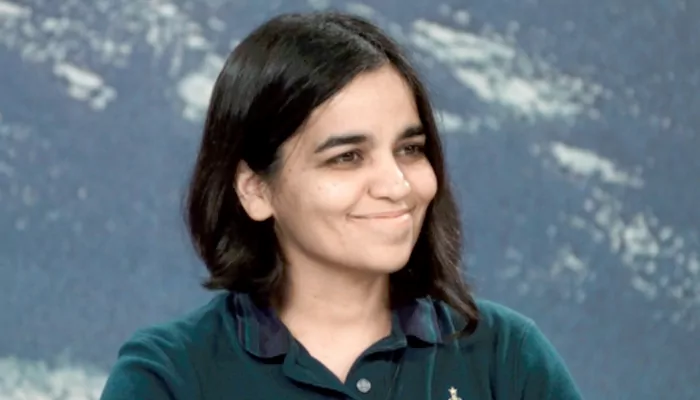
Born in Karnal, Haryana, in 1962, Kalpana Chawla took up engineering courses at Dayal Singh College in Karnal, followed by an aeronautic engineering course at the Punjab Engineering College in Chandigarh.
(Credit- YourStory)
Given aeronautic engineering courses were limited in India, especially for women, she moved to the US and earned her MSc from the University of Texas at Arlington. In 1988, she received a PhD from the University of Colorado Boulder for a thesis on the computation of dynamics and control of unsteady vortical flows.
The same year was also the time when Chawla took flight classes at the Boulder Municipal Airport and became a certified flight instructor for single-engine aeroplanes.
First mission after nine years
(Credit- The Hindu)
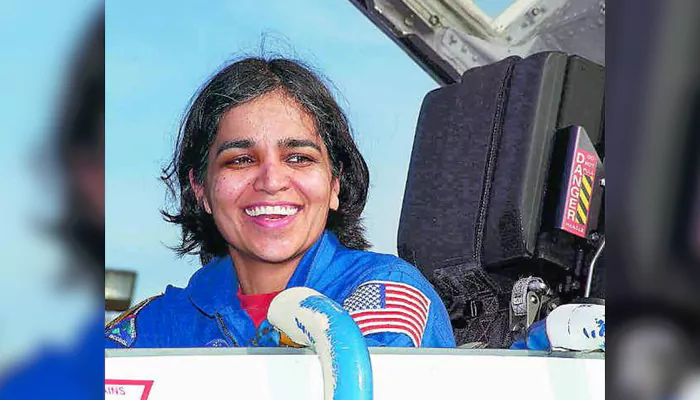
Chawla joined NASA in 1988 and worked on various projects for nine years. Finally, in 1997, she became the first Indian-origin woman to be part of a NASA space mission, which included a six-member crew. She boarded the space shuttle Columbia for its STS-87 flight and logged 15 days and 16 hours in space.
Second & last
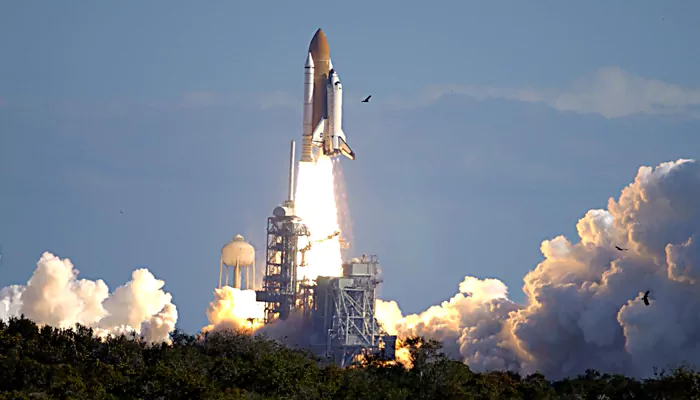
Three years later, Chawla was again selected for her second mission, becoming a part of the crew STS-107. From the beginning, the mission was not on track, given the launch had been delayed 13 times due to maintenance issues in the shuttle.
However, finally on January 16, 2003, the flight launched, and given Chawla was the mission’s flight engineer, she had assisted pilot William C. McCool during take-off.
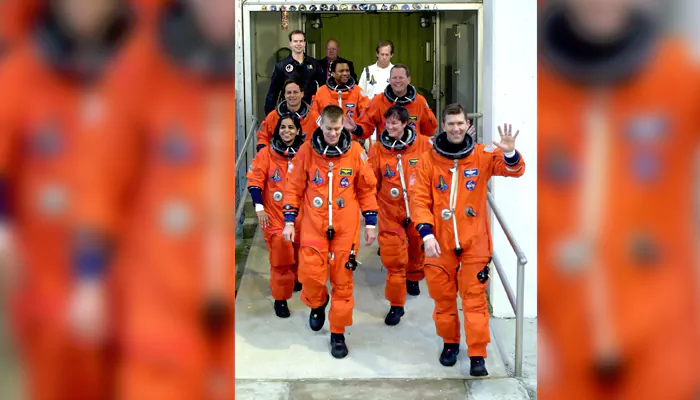
After 80 experiments and 16 days in space, the flight was on its way back to Earth on February 1, 2003.
Disaster at re-entry
On February 1 at 8:44 a.m., the flight started its re-entry into Earth’s orbit. Tragically, 10 minutes later, four sensors on the shuttle's wing failed, and at 9:00 a.m., the shuttle disintegrated in the sky above Texas, k*lling all the crew members.
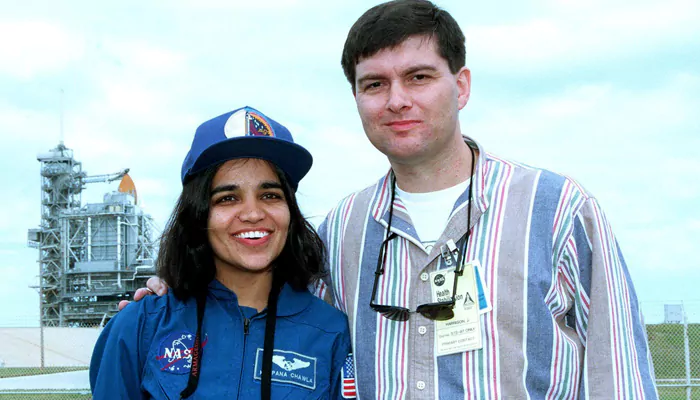
Two decades later, the late Chawla continued to inspire women who wished to become astronauts or work in space-related fields. Despite hailing from an era when women weren’t pushed for education and careers, Chawla did the impossible.




.webp)