
National Science Day: 5G Kills Birds? Lemon-Chilli Wards Off Evil? The 'WhatsApp Science' Fact-Check You Need
- Soham Halder
- 6 months ago
- 3 minutes read
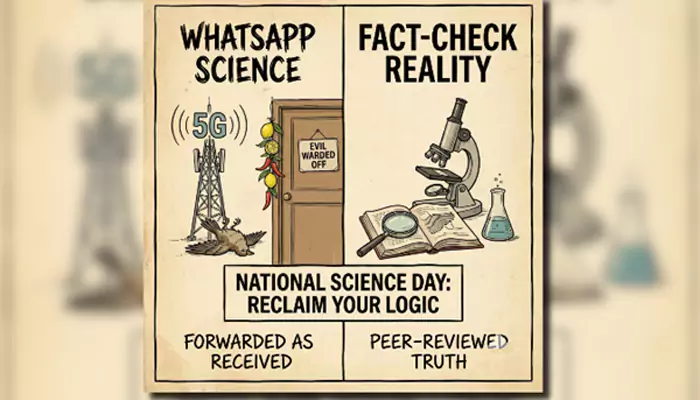
Between the "Forwarded as Received" madness and actual peer-reviewed reality, it’s time to stop the digital rot and reclaim our logic.
If I have to read one more family group message about how the "alignment of the stars" during a solar eclipse will curdle the milk in my fridge, I might just toss my phone into the nearest water body. We’ve all been there. It’s that familiar ping - usually from an uncle who means well but hasn't fact-checked a day in his life - announcing a "scientific" breakthrough that feels suspiciously like a plot point from a low-budget sci-fi flick.
As we hit National Science Day, commemorating Sir C.V. Raman’s discovery of the Raman Effect, the irony is thick enough to cut with a butter knife. We celebrate a man who questioned the very color of the sea, yet we blindly click 'share' on claims that 5G towers are essentially bird-toasters.
The 5G Avian Myth
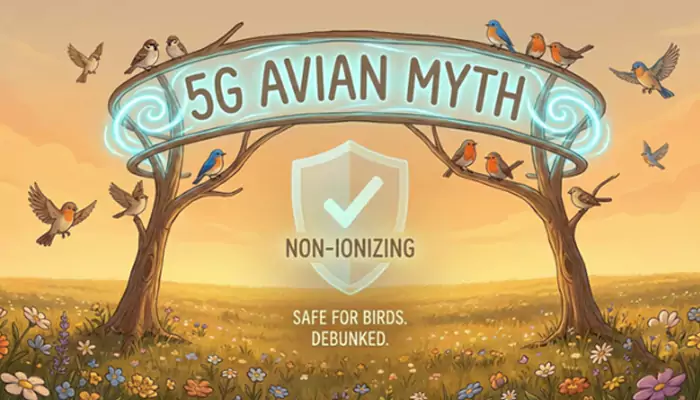
Let's tackle the feathered elephant in the room. Does 5G kill birds? Short answer: No. Long answer: Still no, but with more math. This rumor usually gains legs because of a misinterpreted "test" in The Netherlands where birds died - except it happened months before any 5G equipment was even switched on.
Radiofrequency waves used in 5G are non-ionizing. They don't have enough energy to break DNA or cook a sparrow mid-flight. They’re basically just invisible light's less energetic cousins. If 5G were lethal to sparrows, we’d have been falling over ourselves from 4G and FM radio decades ago.
Lemons, Chillies, and "Quantum" Protection?
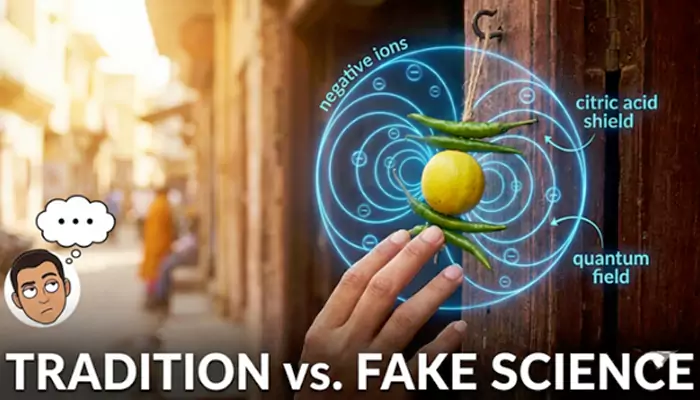
Then there’s the classic Nimbu-Mirchi (Lemon and Chilli) hanging on doorways. Look, I love a good tradition as much as the next person - it adds character to an Indian truck, doesn't it? But when people start "scientifically" justifying it by claiming the thread absorbs "negative ions" or that the citric acid creates a localized pesticide shield, my eyes roll so far back I can see my own brain.
It’s a charm. It’s cultural. It’s a beautiful piece of our social fabric. But it is not a biological air purifier. Trying to wrap superstition in the jargon of physics is a disservice to both.
Can't we just enjoy a tradition because it connects us to our past, without needing a fake PhD to back it up?
Why the "Pseudo" Sells
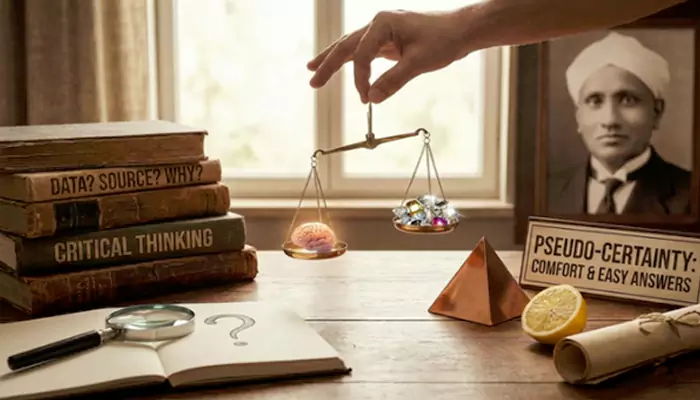
Why do we fall for "WhatsApp Science"? It’s simple: comfort. Real science is messy, often boring, and filled with "we don't know yet." Pseudo-science, however, is certain. It gives you a clear villain (technology) and an easy hero (a lemon).
Perhaps, this National Science Day, our best tribute to Raman wouldn't be a fancy seminar, but a simple pause. Before you hit that forward button, ask: Who wrote this? Where is the data? Why does this sound like it was written by someone trying to sell me a copper pyramid?
Science isn’t a collection of "did you know" facts; it’s a way of thinking. It’s okay to be skeptical. In fact, it’s mandatory. Let's keep the wonder, but let's lose the garbage.



.webp)