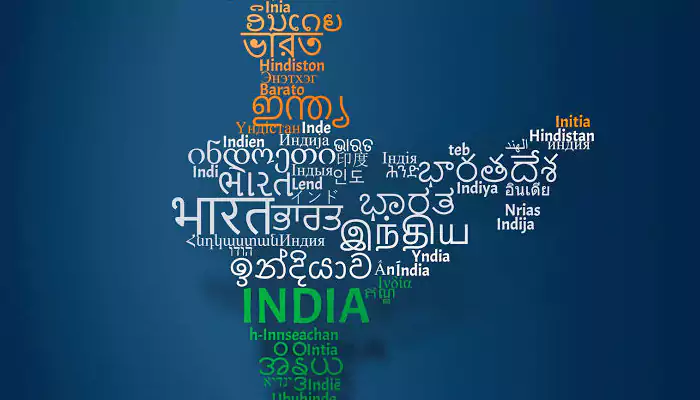
Lost in Translation: Beautiful Indian Words That Have No English Meaning, A Trivia on Mother Tongue Day
- Soham Halder
- 19 hours ago
- 4 minutes read
More Than Just Words: Indian Expressions With No English Meaning
India doesn’t just speak, it feels through language.
With hundreds of languages and dialects spoken across the country, Indian vocabulary carries emotions, cultural nuances, and philosophies that often leave English struggling to keep up. Some words are so deeply rooted in experience that translating them feels almost unfair.
Let’s explore a few beautiful Indian words that simply cannot be expressed fully in English.
-
Jugaad (Hindi)
You’ve probably heard this word before. But can you truly translate it?
“Jugaad” roughly means a clever fix or innovative hack. Yet that doesn’t capture its essence. Jugaad is the spirit of resourcefulness — finding solutions despite limited resources. It’s innovation born from necessity.
From fixing a broken scooter with rope to launching startups with minimal budgets, jugaad is India’s unofficial survival strategy.
It’s not just problem-solving. It’s creative resilience.
-
Adda (Bengali)
English has “hangout” or “casual chat,” but neither feels close to adda.
Adda is an unstructured, soulful conversation, often over chai, where ideas, gossip, philosophy, and politics blend effortlessly. There’s no agenda, no time limit.
It’s community bonding in its purest form.
If you’ve ever lost track of time chatting with friends at a roadside tea stall, you’ve experienced adda, even if you didn’t know the word.
-
Viraha (Sanskrit/Hindi)
Viraha is the pain of separation, especially from a loved one. But it’s not just sadness. It’s longing filled with devotion and emotional depth.
In Indian classical music and poetry, viraha is almost sacred. It’s the kind of yearning that deepens love rather than weakens it.
English offers “longing” or “separation,” but neither carries the spiritual weight of viraha.
-
Sukoon (Urdu/Hindi)
Sukoon translates loosely to peace or calm. But it’s more intimate than that.
Sukoon is the feeling of quiet contentment after chaos. It’s the comfort of sitting by the sea at sunset. The relief after finishing a tough exam. The stillness in a temple courtyard.
It’s not just peace, it’s emotional serenity.
-
Mamta (Hindi)
Mamta is often translated as “motherly love.” But that definition feels incomplete.
Mamta is protective affection, warmth, sacrifice, and unconditional care wrapped into one word. It extends beyond biological motherhood — it can describe anyone who nurtures selflessly.
English has no single word that captures this layered emotion.
-
Thairaav (Hindi)
In a fast-paced world, thairaav feels revolutionary.
It means pause, stability, or composed stillness. But it also suggests emotional balance, the ability to remain steady during life’s turbulence.
In a society constantly chasing productivity, thairaav reminds us of the beauty of slowing down.
-
Aiyyo (Tamil/Malayalam)
Is it surprise? Frustration? Shock? Amusement?
“Aiyyo” is an exclamation that shifts meaning depending on tone. It’s expressive, dramatic, and deeply cultural.
English equivalents like “Oh no!” or “Oops!” don’t quite capture its versatility or emotional colour.
Why These Words Matter
Language shapes how we understand the world. When a word exists in one culture but not another, it reveals something unique about that society’s emotional landscape.
Indian languages are deeply relational. Many words focus on connection, feeling, and shared experience rather than just action.
Perhaps that’s why translating them feels incomplete, because they are lived, not defined.
A Reflection of India’s Emotional Depth
India’s linguistic diversity isn’t just about numbers. It’s about emotional richness.
When we say sukoon, we don’t just describe calm, we express relief. When we talk about jugaad, we celebrate ingenuity. When we feel viraha, we honour longing.
These words carry centuries of poetry, music, and lived memory.
In a globalised world dominated by English, it’s easy to assume everything can be translated. But language is more than vocabulary. It’s culture, history, and emotion woven together.
Some Indian words resist translation because they hold entire stories within them.
So the next time you use a word like jugaad or sukoon, pause for a moment. Appreciate the depth it carries.
Because sometimes, what’s lost in translation is exactly what makes it beautiful.