Indian Magicians: Are They Really Unraveling Magic or Just Illusions?
Delve Into the Mystique of Indian Magicians: Unmasking Illusions and Revealing the Artistry Behind the Magic
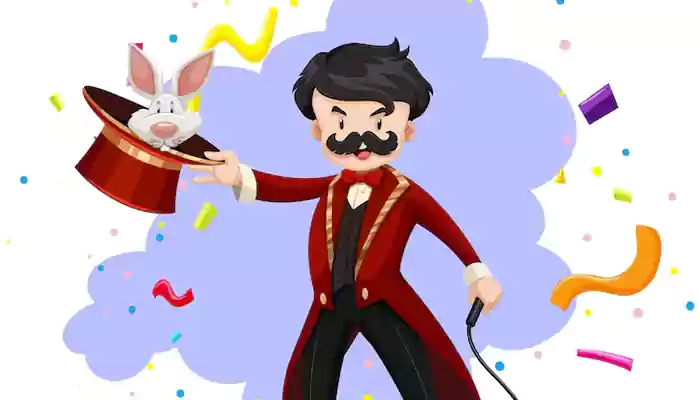
For centuries, magic has captivated the human imagination. In India, magicians weave enchanting tales that leave audiences spellbound. The question remains: are these tricks merely illusions, or does true magic exist? Join us on a journey to explore the world of Indian magicians and their remarkable craft.
Mesmerizing Illusions: Crafting Wonder and Suspense
Step into the enigmatic world of Indian magicians, and you'll witness a panorama of astonishing feats that challenge the boundaries of human comprehension. From vanishing acts that boggle the mind to daring escapades that hold your breath captive, these magicians are consummate masters of the unexpected. One iconic example is the legendary magician PC Sorcar Jr.'s infamous "Floating Lady" illusion, where a woman appears to defy gravity and hover in thin air.
The Secrets Beneath the Surface: Merging Psychology and Sleight of Hand
Yet beneath every breathtaking trick lies a well-guarded secret. Indian magicians are not merely illusionists but also skilled artists who meticulously craft their illusions using a delicate blend of psychology, misdirection, and sleight of hand. The iconic Indian rope trick, where a seemingly ordinary rope stands upright and climbs into the sky, exemplifies this. It's a spectacle that leaves spectators astounded, yet its origins are shrouded in a mix of myth, theatricality, and a clever setup.
The Historical Tapestry: Magic's Integral Role in India's Story
India's magical heritage is inextricably woven into its rich historical tapestry. The country boasts a longstanding tradition of street magic, with performers like the "Fakirs of Puri" astonishing crowds with their seemingly supernatural prowess. As the ancient art of magic evolved over the centuries, modern magicians like Samrat Shankar demonstrated the synthesis of traditional and contemporary elements, captivating audiences with their intricate acts that celebrated the country's diverse cultural influences.
The Charisma of Charlatans: Exploitation Versus True Artistry
Within this world of magic, a spectrum emerges. While some Indian magicians astound with their true craftsmanship and artistic expression, others exploit superstition and misinformation for personal gain. In remote villages, self-proclaimed magicians promise supernatural cures and mystical solutions. These "godmen" employ a mix of tricks and psychological manipulation to convince believers of their divine abilities, revealing the fine line between enchantment and exploitation.
The Resilience of the Craft: Embracing Modern Media and Technology
In the face of advancing technology, Indian magicians have showcased remarkable resilience. They've adeptly adapted their acts to the digital age, embracing social media platforms to showcase their talents to a global audience. Magicians like Karan Singh are using platforms like YouTube not only to entertain but also to demystify their tricks, offering viewers a glimpse into the intricate mechanics and psychology that underpin their craft.
Forget the spring cleaning for a second. Let's ring in Nobo Borsho with screen queens who actually have each other's backs.
April in Kolkata is unapologetic. The heat settles over the city like a wet, heavy blanket, yet there’s that undeniable, frantic buzz in the air. Poila Boishak is practically ...
Forget the flowery sonnets - the Bard of Avon was actually the undisputed king of the fiery, street-level roast.
Honestly, if you think about it, the man was an absolute menace.
April 23rd rolls around, and suddenly everyone starts quoting Romeo and Juliet like they didn't sleep through high school ...
Swap the neon cellophane for burnt earth. Here is why the desi minimalist wave is quietly taking over your spring tablescapes.
Walk down any supermarket aisle right now. It is an aggressive assault of pastel plastics and synthetic neon grass. Honestly, it's exhausting. We get it, it's Easter. But do ...


.WEBP)