How Pancham Da Changed Bollywood Music Without Using a Formula
- Soham Halder
- 1 day ago
- 4 minutes read
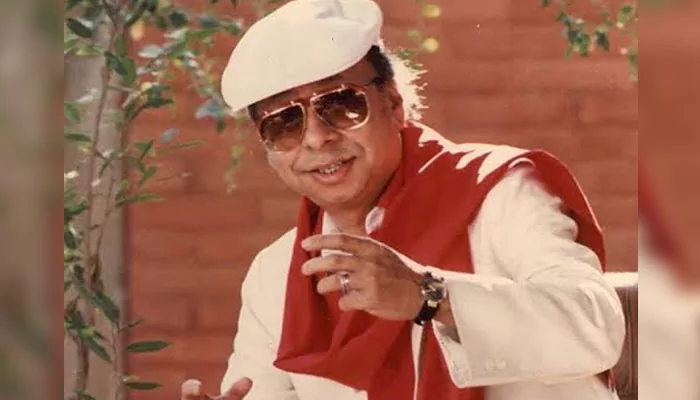
The Composer Who Wrote Music WithCuriosity, Not Checklists.
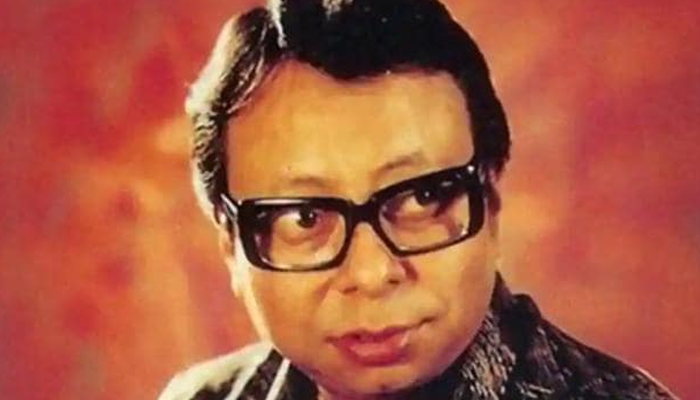
In an industry built on proven templates and predictable melodies, Rahul Dev Burman, fondly known as Pancham da, defied every conventional script for composing Bollywood music. He didn’t rely on a formula; he created one of the most iconic, original musical vocabularies Indian cinema has ever seen.
On the surface, Bollywood hit songs often resembled each other: romantic ballads, rhythmic dance numbers, and dramatic instrumentals. Despite this apparent pattern, one composer stood apart, not because he followed the rules, but because he reimagined them.
This article explores how Pancham da changed Bollywood music, without using a formula.
Listening Before Composing: Everyday Sounds as Inspiration
Unlike many composers who began with familiar chord progressions, Pancham da often started with what he heard around him, from everyday noise to unconventional sound sources:
- Clinking bottles as percussion
- Chains, bells, and metallic hits as rhythm
- Ambient noises shaping texture and feel
- Electronics blended with acoustic instruments
Songs like “Mehbooba Mehbooba” (Sholay) and “Dum Maro Dum” (Hare Rama Hare Krishna) weren’t built on standard music formulas; they were sonic experiments rooted in environment and emotion.
He didn’t ask “What worked in the past?”, he asked “What can we hear that hasn’t been heard yet?”
Genre-Blending Before It Became Trendy
Pancham da didn’t limit himself to a single genre. At a time when Bollywood music was dominated by ghazals, classical melodies, and simple dance numbers, he blended:
- Rock with Indian classical
- Funk with folk
- Disco with Indian rhythmic structures
- Cuban and Latin elements with Hindi film narratives
Sometimes, this fusion sounded unconventional, even strange at first. But decades later, tracks like “Aaja Aaja” and “Khullam Khulla” are celebrated precisely because they ignored genre boundaries.
Rather than following a formula like “add tabla here, flute there”, Pancham da trusted the feel of the music and audiences responded with loyalty.
Voices as Instruments, Not Just Carriers of Lyrics
While many composers treated singers as vehicles for melody, Pancham da treated voices as instruments. He often asked singers to:
- Explore timbre instead of pitch alone
- Use breath, moans, and phrases like texture
- Play with phrasing beyond standard tune patterns
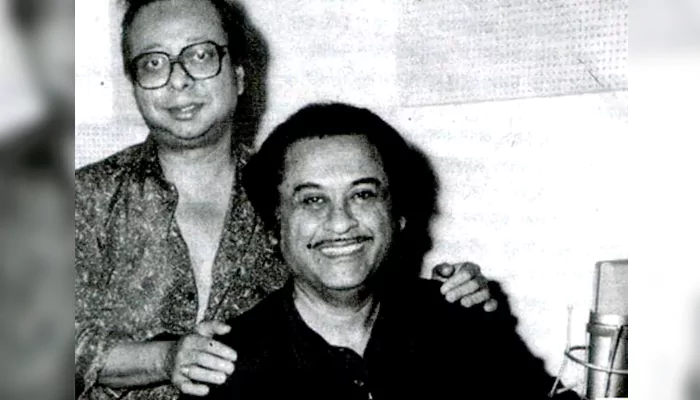
His collaborations with Kishore Kumar, Asha Bhosle, Lata Mangeshkar, and others didn’t yield predictable vocal lines. Instead, they produced performances that looked effortless but were sculpted with tremendous artistic depth.
This approach was far from formulaic, it was expressive, brave, and deeply musical.
Emotional Complexity Over Safe Patterns
Many hit songs follow predictable arcs, upbeat at the start, emotional in the middle, soaring at the end. Pancham da’s music often followed emotion first, structure second.
In songs like “Roop Tera Mastana”, “Chura Liya Hai Tumne”, and “Yeh Shaam Mastani”, the emotional subtext shaped the melody. Instead of adhering to formulaic chord changes, he let feelings determine rhythm, intent, and harmony.
This is why his songs still resonate they mirror lived experiences, not templates.
Collaborative Improvisation, Not Composed Isolation
Pancham da’s studio sessions were legendary for their collaborative feel. Musicians, singers, and arrangers didn’t just follow notes on a page, they listened, reacted, and co-shaped the sound in real time.
This method stood in stark contrast to the formulaic systems where every note is decided in advance. Pancham da thrived on:
- Real-time experimentation
- Adjusting beats and harmonies spontaneously
- Incorporating unexpected ideas from musicians
- Letting tempo and mood develop organically
By allowing music to evolve in the moment, his compositions gained depth, unpredictability, and enduring charm.
The Legacy of Unpredictability
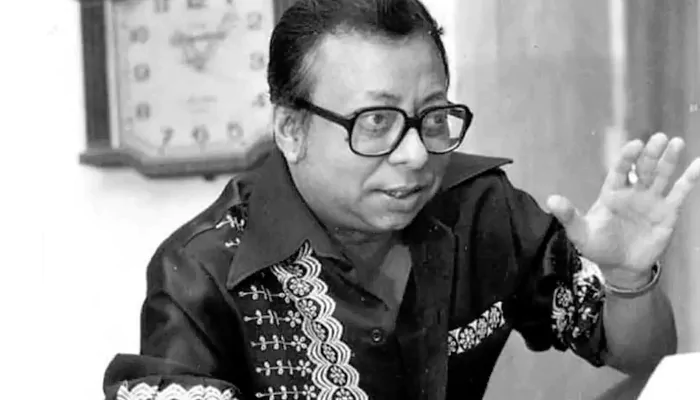
A composer who didn’t use a formula ended up creating a signature style, something that sounds like Pancham da without repeating the same musical pattern. That’s ingenious.
His influence is visible in:
Modern Bollywood music that borrows texture and rhythm
- Independent musicians sampling acoustic eclecticism
- Music directors who foreground mood over mechanics
- Soundtracks that prioritise creativity over checklist compositions
In today’s music scene, whether it’s indie pop, fusion, or film music the fingerprint of Pancham da’s fearlessness remains unmistakable.
RD Burman didn’t need a formula because he had intuition, curiosity, and courage. He wasn’t afraid to break musical norms or blend unlikely elements. He trusted his ear, his musicians, and his sanity and produced songs that still live decades later.
In an age increasingly driven by trends, templates, and algorithms, Pancham da’s work reminds us that great music comes from exploration, not replication. He didn’t follow a formula, he pioneered musical thought.
That’s why, even today, every beat he touched sounds like possibility not prediction.