Birth Anniversary of Mirza Ghalib: 10 Films That Prove Mirza Ghalib Still Writes Hindi Cinema
- Soham Halder
- 7 hours ago
- 4 minutes read
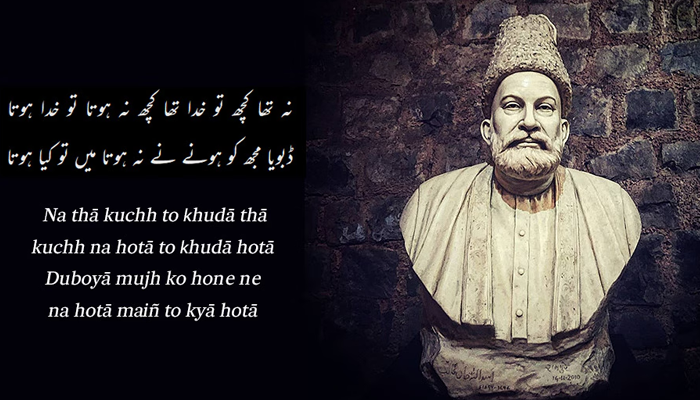
Two centuries later, Ghalib still writes Bollywood’s most unforgettable lines.
Every December, as India remembers Mirza Ghalib on his birth anniversary, Bollywood quietly joins the tribute sometimes knowingly, sometimes instinctively. Long before hashtags and poetry slams, Ghalib gave Indian storytelling its emotional vocabulary: love steeped in loss, longing laced with irony, and heartbreak articulated with grace.
Despite changing trends, technologies, and tastes, Hindi cinema continues to return to Ghalib whenever emotions demand depth. His verses may belong to the 19th century, but their spirit feels tailor-made for cinema. From courtroom dramas to doomed romances, Ghalib’s philosophy slips effortlessly into Bollywood dialogues sometimes quoted, often adapted, always felt.
Here’s why Bollywood still cannot stop quoting Ghalib, through 10 films inspired by his timeless words.
Ghalib (1954): When Poetry Became Cinema
This biographical classic didn’t just depict Ghalib, it let his poetry drive the narrative. Dialogues flowed like ghazals, blurring the line between spoken word and verse.
It set the template for how poetry could anchor cinematic storytelling.
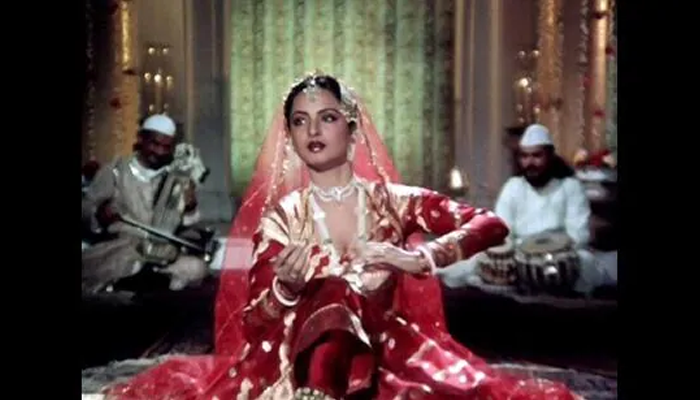
Umrao Jaan (1981): Love, Loss, and Lyrical Resignation
Rekha’s Umrao echoed Ghalib’s belief that love is beautiful precisely because it hurts. Many dialogues reflect his worldview that desire often survives dignity.
It turned poetic melancholy into mainstream romance.
Devdas (2002): Ishq That Destroys Before It Completes
Bhansali’s Devdas borrowed heavily from Ghalib’s obsession with unfulfilled love. The dialogues dwell on longing rather than resolution.
Ghalib’s emotional grammar found a new generation of viewers.
Haider (2014): Poetry Amid Political Chaos
Vishal Bhardwaj’s adaptation of Hamlet leaned on Urdu poetry to express grief and confusion often echoing Ghalib’s fatalistic tone.
It proved Ghalib works even in modern, political cinema.
Dedh Ishqiya (2014): Desire Dressed in Wit
The film used sharp, poetic dialogue where romance met sarcasm, very much in the spirit of Ghalib, who often mocked love even while surrendering to it.
It showed how Ghalib’s irony fits contemporary storytelling.
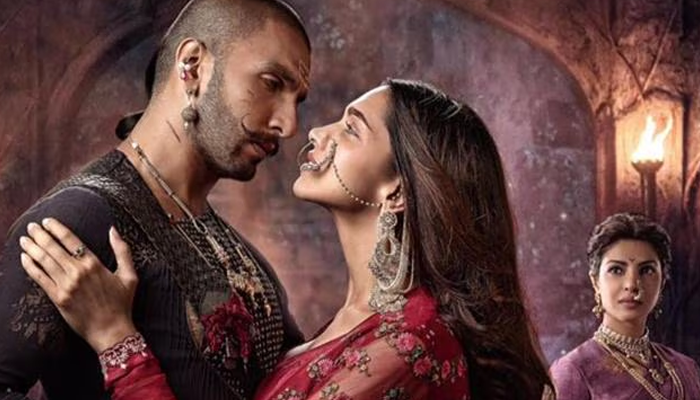
Bajirao Mastani (2015): Grandeur Meets Ghazal
Though set in history, the film’s dialogues often echoed Ghalib’s idea that love defies logic, status, and consequence.
Poetry became a spectacle without losing soul.
Fitoor (2016): Obsession as Art
Inspired by Great Expectations, Fitoor framed love as madness, an idea Ghalib championed long before cinema existed.
It modernised poetic obsession for urban audiences.
Ae Dil Hai Mushkil (2016): Heartbreak With Self-Awareness
This film openly embraced Urdu poetry in its dialogues, channeling Ghalib’s belief that loving deeply is an act of courage, not weakness.
It made poetic heartbreak aspirational again.
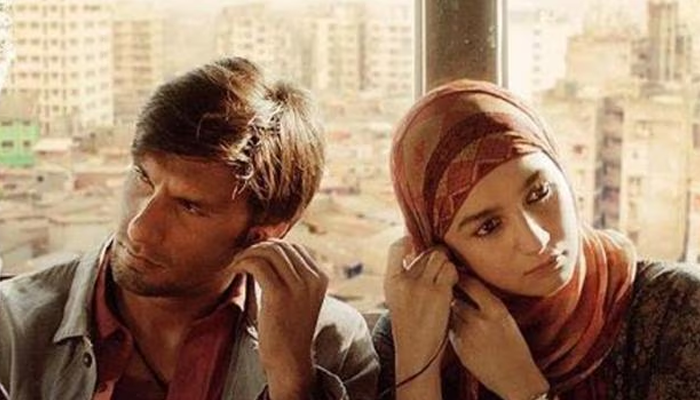
Gully Boy (2019): Ghalib in the Streets
While rooted in rap, the film acknowledged Urdu poetry’s influence on rhythm and expression. The spirit of Ghalib lived in the raw honesty of words.
It proved poetry evolves, it doesn’t disappear.
Heeramandi (2024): Ghalib Returns to the Centre Stage
Bhansali’s period series placed Urdu poetry at its emotional core, with dialogues that felt like echoes of Ghalib’s philosophy on beauty and pain.
It reaffirmed that no era can replace poetic depth.
Why Bollywood Keeps Returning to Ghalib
Because Ghalib understood something cinema still struggles to articulate:
That love is rarely fair
That pain sharpens truth
That contradictions define human emotion
On Mirza Ghalib’s birth anniversary, Bollywood doesn’t merely remember him, it continues to speak his language. His poetry survives on screen not because filmmakers consciously quote him, but because his thoughts mirror the emotional core of Indian storytelling.
As Ghalib once wrote,
“Hazaaron khwaahishein aisi ke har khwaahish pe dam nikle”
a line that could summarise generations of Bollywood love stories built on desire, compromise, and heartbreak.
Another timeless verse reminds us why his words still find space in cinema:
“Ishq par zor nahin, hai yeh woh aatish Ghalib,
Ke lagaaye na lage aur bujhaaye na bane.”
Love, uncontrollable and consuming, remains the most cinematic emotion and Ghalib captured it centuries ago.
As long as Hindi cinema continues to explore longing, loss, irony, and emotional contradiction, Mirza Ghalib will never fade into history. He will remain alive in dialogues, in silences, and in the unspoken pauses between heartbreak and hope.