From Kailash to Kashi: How different parts of India celebrate Shivaratri uniquely
- Soham Halder
- 1 day ago
- 3 minutes read
Bhasma, Bells, and Bhajans: Shivaratri Rituals That Change Every 500 Kilometres!
Maha Shivaratri is not just a festival, it is an experience that unfolds differently across India. While the essence remains devotion to Lord Shiva, the rituals, rhythms, and regional flavours change dramatically from one state to another. From the icy symbolism of Mount Kailash to the spiritual intensity of Kashi, Shivaratri becomes a mirror reflecting India’s cultural diversity.
What binds these celebrations together is a shared belief: this is the night when Shiva’s energy is closest to the human realm.
Kashi, Uttar Pradesh: Where Shiva Never Sleeps
In Varanasi, Shivaratri is less a festival and more a spiritual awakening. The city, believed to be Shiva’s eternal abode, comes alive with chanting, conch shells, and processions. Devotees throng the Kashi Vishwanath Temple, standing in serpentine queues for hours, unfazed by fatigue.
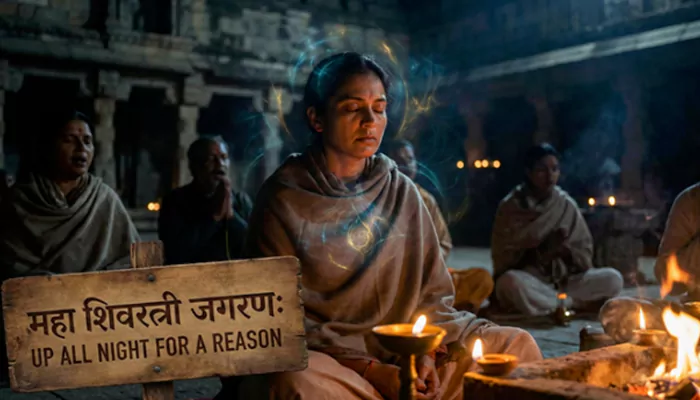
A unique highlight here is the night-long vigil, where bhajans, meditation, and philosophical discussions continue till dawn. For many, observing Shivaratri in Kashi is believed to grant liberation itself.
Mount Kailash Symbolism: Reflected Across the Himalayas
Though Mount Kailash lies beyond India’s borders, its spiritual presence dominates Shivaratri celebrations in Uttarakhand and Himachal Pradesh. Temples like Kedarnath and Baijnath see devotees braving cold nights, offering water, milk, and bel leaves to the Shiva lingam.
Here, Shivaratri is marked by austere fasting, silent meditation, and simplicity, echoing Shiva’s ascetic nature. The focus is less on festivity and more on inner discipline.
Tamil Nadu: The Night of Sacred Abhishekams
In Tamil Nadu, especially at temples like Chidambaram and Thanjavur, Shivaratri is observed with meticulous ritual precision. Devotees witness multiple abhishekams; ritual bathing of the lingam with milk, honey, sandalwood, and sacred ash.
The festival beautifully blends devotion with classical culture, as Bharatanatyam performances dedicated to Nataraja, the cosmic dancer form of Shiva, take centre stage.
Maharashtra: Simplicity and Community Spirit
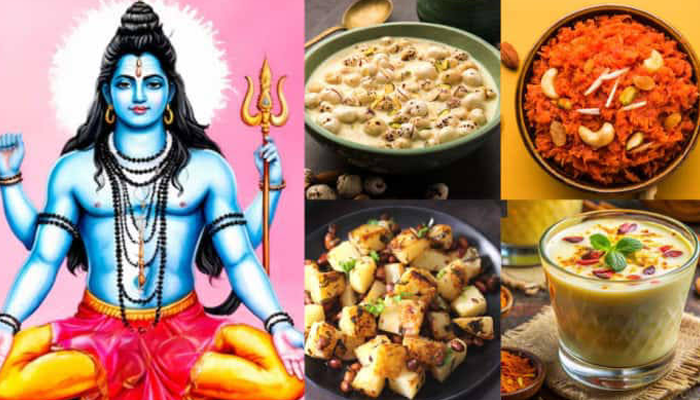
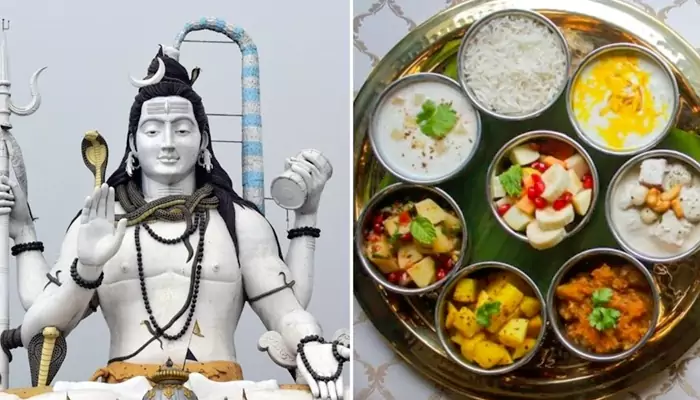
In Maharashtra, Shivaratri is celebrated with a strong sense of community devotion. Temples like Trimbakeshwar and Bhimashankar attract lakhs of pilgrims. Many households observe fasting, consuming simple meals made of sabudana and peanuts.
A unique aspect here is the emphasis on personal vows and promises, with devotees praying for strength, stability, and moral balance in life, values deeply associated with Shiva.
Karnataka and Andhra Pradesh: Shiva as the Family Protector
In southern states like Karnataka and Andhra Pradesh, Shivaratri is deeply rooted in household worship. Families perform rudra abhishekam at home or nearby temples, praying for prosperity and protection.
Temples such as Srisailam witness massive gatherings, where devotion seamlessly blends with folk music and storytelling traditions narrating Shiva’s legends.
West Bengal and Eastern India: Quiet Devotion Over Grandeur
In West Bengal and Odisha, Shivaratri is marked by quiet devotion rather than grand celebrations. Devotees, especially young women, observe fasts and visit Shiva temples seeking marital harmony and blessings.
The festival here feels introspective, focusing on personal prayers rather than public spectacle.
One Festival, Many Expressions
What makes Shivaratri extraordinary is its adaptability. It absorbs local customs while preserving its spiritual core. Whether it’s an all-night bhajan in Kashi, a dance offering in Tamil Nadu, or silent meditation in the Himalayas, the festival proves one truth: Shiva belongs everywhere.
From Kailash to Kashi, Shivaratri travels across languages, landscapes, and lifestyles, yet unites millions in a single night of devotion. It reminds us that spirituality in India isn’t uniform; it’s beautifully diverse, deeply personal, and profoundly inclusive.
Shivaratri isn’t celebrated the same way everywhere and that’s exactly what makes it timeless.