Birthday Special: From Sleeping on Railway Platforms to Writing Gangs of Wasseypur: Piyush Mishra's Untold Struggle Story
- Devyani
- 1 month ago
- 3 minutes read

A boy born Priyakant in Gwalior, who fought his aunt's tyranny with verses, became the voice India didn't know it was starving to hear.
January 13, 1962. Gwalior. A child handed over to an aunt who didn't want him - not exactly the Bollywood opening you'd write. Yet Piyush Mishra, born under another name entirely, clawed his way out of that suffocating household using the only weapon available: poetry. By eighth grade, he'd already written "Zinda ho haan tum koi shak nahin" - a scream wrapped in verse, rebellion dressed as homework.
The NSD Escape
The story behind “Act One”
(@cinedopamine/Instagram)
He appeared for National School of Drama's entrance exam in 1983 like a man drowning reaching for driftwood. Delhi felt like oxygen. Theatre was salvation. By 1986, he'd graduated and launched “Act One” with Manoj Bajpayee and Ashish Vidyarthi, spending two decades in Delhi's theatre trenches - performing, scribbling, singing in small rooms that smelled of sweat and cigarettes.
Piyush Mishra’s early years
(@htbrunch/Instagram)
Perhaps this is the thing nobody mentions: those twenty years weren't romantic. He was, by his own admission, a boozer. Morally adrift. Exhausted. He nearly made it big in 1986 when Maine Pyar Kiya came calling - they wanted him, allegedly for Prem - but he didn't even try. Was it self-sabotage? Timing? Who knows. He stayed in Delhi instead, feeding his demons and his art in equal measure.
The Wasseypur Reckoning
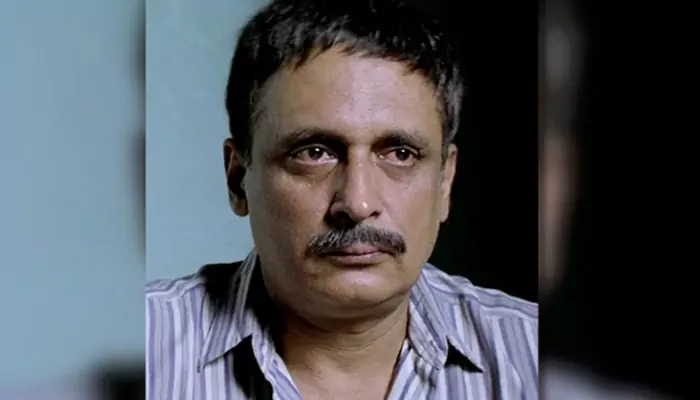
Piyush Mishra in Gangs of Wasseypur
Then came 2012. A decade-long stint in Mumbai. And then Anurag Kashyap knocked, asking him to pen dialogues for something called Gangs of Wasseypur.
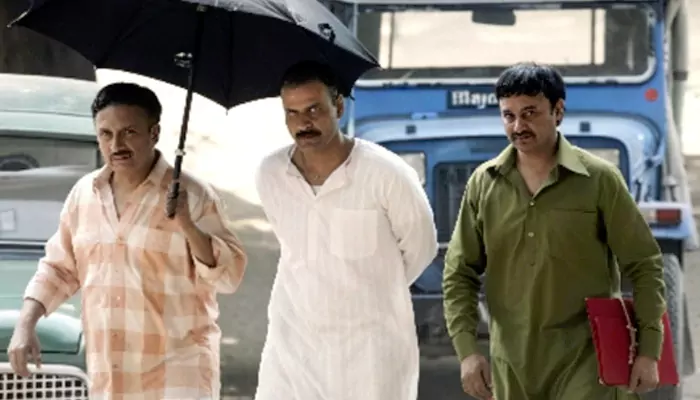
I believe that film was waiting for him all along. Not because he knew how to write gangster vernacular, (he didn't) but because he understood rage, desperation, and the slow burn of injustice from his bones. The film's gritty poetry? That wasn't technique. That was an autobiography masquerading as fiction. He played Kaka in Maqbool too, turning shadows into philosophical musing.
The Autobiography of Rage

In 2023, he finally spilled it. Tumhari Auqat Kya Hai - essentially "What's Your Worth?" - his autobiography that cut deeper than any role ever could. The uncomfortable truths about his childhood, the physical exploitations, the moral rot of his younger years. Not performance. Not poetry. Raw confession.
A sneak-peek into Piyush Mishra’s autobiography “Tumhari Aukat Kya Hain”
(@diptishaaaa.0_o/Instagram)
At 63, he's still not comfortable calling himself a success. He's spiritual now, slower, drawing wisdom from meditation in Igatpuri. He says he's "below average" and means it - a strange humility for a man whose verses "Ik Bagal Mein Chand Hoga" and "Aarambh Hai Prachand" have become anthems for a generation.
Aarambh Hain Prachand performed by Piyush Mishra
(@officialpiyushmishra/Instagram)
But that's Piyush. The guy who refused an easy movie role, slept on Mumbai's hard floors, and turned his personal devastation into dialogues that made people feel something true.
He's proof that sometimes, struggle isn't a stepping stone. It's the entire architecture. Wishing a Very Happy Birthday to you, Mishra ji!