Amrish Puri Death Anniversary: How He Made Villains More Memorable Than Heroes
- Soham Halder
- 2 months ago
- 5 minutes read
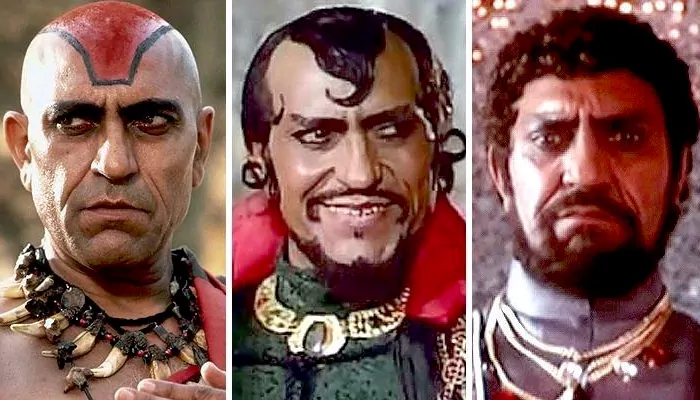
Beyond Heroes: Why Amrish Puri’s Characters Defined an Era!
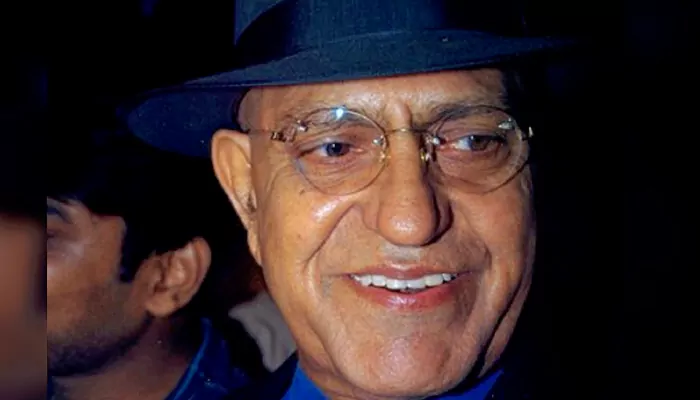
On January 12, Indian cinema remembers one of its most unforgettable performers, Amrish Puri. Known for his commanding voice, intense eyes, and electrifying screen presence, Puri transformed the way villains were portrayed in Bollywood. In an industry traditionally dominated by heroic protagonists, he carved a unique space where antagonists became as sensational, if not more than heroes. Over two decades after his untimely death in 2005, his characters continue to echo in the imagination of audiences across generations.
But how did this soft-spoken man make villains more memorable than heroes? The answer lies in his craft, charisma, and a rare ability to blend menace with nuance.
The Rise of a Villain King
Amrish Puri was born on June 22, 1932, in Nawanshahr, Punjab. Before Bollywood beckoned, he honed his skills in theatre, a discipline that sharpened his dialogue delivery, stage presence, and emotional depth. This theatre foundation later translated into formidable performances on film, where he turned villains into complex, layered characters.
While many actors of his time accepted villainous roles as standard antagonists, Puri approached them with depth, gravitas, and intention. His villains were never caricatures; they had motives, personality, and an unmistakable screen gravitas that made them unforgettable.
Mogambo: When a Villain Became a Cultural Catchphrase
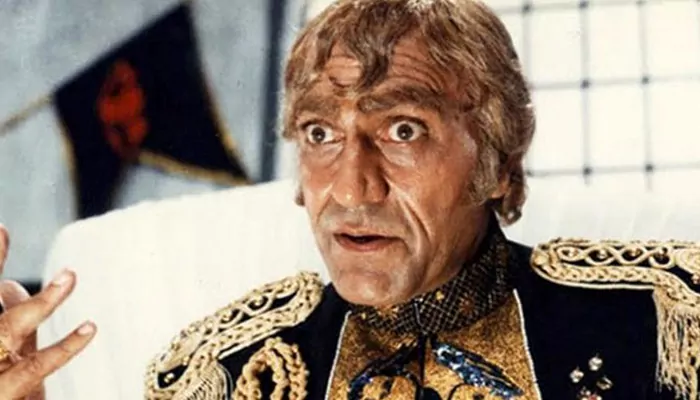
It was in the 1987 film Mr. India that Amrish Puri introduced the world to Mogambo, the quintessential Bollywood villain. His booming dialogue “Mogambo khush hua” instantly became part of Indian pop culture. The phrase didn’t just define the character; it entered the everyday vocabulary of millions.
What made Mogambo iconic wasn’t just the menacing tone, it was the perfect blend of theatrical flair and disciplined performance. Puri didn’t just play the villain; he embodied him, turning Mogambo into a larger-than-life persona that audiences loved to hate and remember.
Why Villains Stole the Spotlight
Most Bollywood villains before Puri were one-dimensional: loud, angry, and predictable. But Puri changed that script.
He Gave Villains Emotional Weight
Unlike standard antagonists, Puri’s characters had backstories and human motivations. They didn’t act out of sheer evil, they reacted from pride, ambition, or deep-rooted hurt. This emotional complexity made villains feel human, not just fearsome.
His Voice Was a Weapon of Its Own
There’s voice acting, and then there’s Amrish Puri’s voice acting. His deep, resonant voice could stir fear, command attention, and even spark laughter when the role demanded it. That voice became his signature, a tool that elevated every villainous dialogue he delivered.
Screen Presence That Dominated Scenes
Even when he shared screen space with superstars, Puri’s presence never faded. Whether facing action icons or dramatic leads, his characters stood out not because they overshadowed others, but because they enhanced the narrative tension.
Versatility Beyond Evil
While many remember him for his antagonistic roles, Puri’s range was far broader. In films like Dilwale Dulhania Le Jayenge, Virasat, and Pardes, he played patriarchs, mentors, and devoted fathers, roles that showcased his emotional range. The fact that audiences could accept him as both a terrifying villain and a heartfelt hero figure speaks volumes about his versatility.
This duality made his villains even more memorable; Puri proved that a great actor makes every character good or bad, compelling and believable.
Influence on Bollywood and Global Cinema
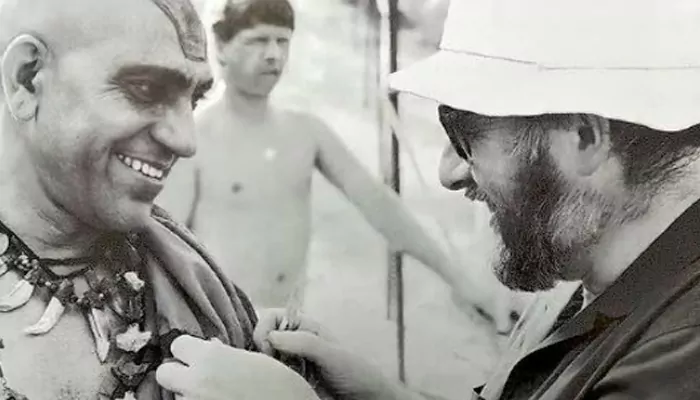
Amrish Puri’s impact wasn’t limited to Hindi films. He appeared in international projects like Indiana Jones and the Temple of Doom, where his portrayal of Mola Ram introduced global audiences to his magnetic screen presence. His performances helped bridge Indian acting talent with international cinema, long before global crossover became commonplace.
Today’s actors, from character artists to leading stars often cite Puri’s work as a source of inspiration. His nuanced approach to villainy taught performers that antagonist roles weren’t lesser parts, they were opportunities for unforgettable storytelling.
Legacy That Outlived Heroes
More than 15 years after his passing, Amrish Puri’s characters live on in the hearts of film lovers. Mogambo quotes still trend on social media. Film schools study his dialogue delivery. Actors revisit his performances to learn about voice modulation, emotional depth, and character commitment.
In a world where heroes often receive the spotlight, Puri’s villains taught audiences that a well-written, passionately performed antagonist can define an era. He didn’t just act; he left a legacy that continues to shape Indian cinema.
On his death anniversary, we remember Amrish Puri not just as a legendary villain, but as a transformative artist who reshaped how stories are told. He proved that villains could be complex, memorable, and just as impactful as heroes, sometimes even more so.
In every chilling dialogue and commanding scene, he reminded us that great cinema isn’t just about who wins or loses, it’s about who stays with us long after the credits roll.