Would You Ask Mahatma Gandhi a Question Through AI? Delhi’s New Museum Experiment Is Sparking Curiosity
- Soham Halder
- 3 months ago
- 3 minutes read
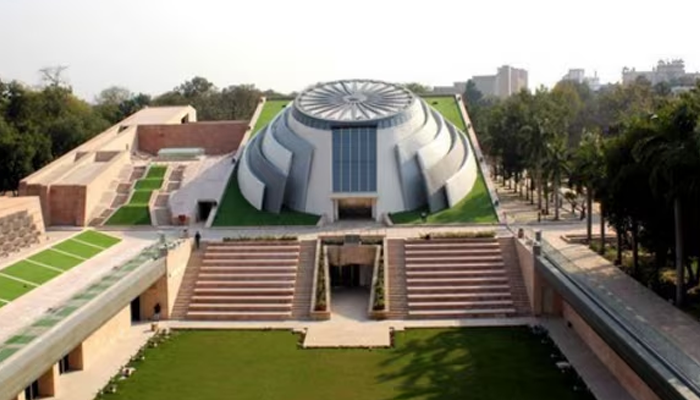
Visitors walking into Delhi’s Pradhanmantri Sangrahalaya may soon experience something unusual, the chance to interact with an AI-powered version of Mahatma Gandhi. The museum has introduced interactive AI avatars of historical leaders, including Gandhi, in an effort to make history more engaging and technology-driven for modern audiences.
The experiment is already attracting public curiosity because it combines two powerful ideas, India’s most iconic historical figures and modern artificial intelligence.
For many visitors, the experience may feel less like reading history and more like having a conversation with it.
How the AI Gandhi Experience Works
The museum’s new technology allows visitors to interact with AI-generated avatars designed to respond to questions in a conversational format. Instead of simply looking at statues or reading information boards, people may now:
- ask questions directly
- receive spoken responses from AI avatars
Officials believe this can make museum visits more immersive and emotionally engaging, especially for younger audiences. The initiative is part of a broader effort to modernise museum experiences using digital technology.
Why Museums Are Changing Their Approach
Traditional museums often struggle to hold the attention of younger generations raised in the smartphone and social media era. Experts say modern visitors increasingly prefer:
- interactive learning experiences
- visual and conversational storytelling
As a result, museums around the world are experimenting with:
- augmented reality
- AI-driven exhibits and virtual guides
India’s AI Gandhi project reflects this global trend of turning museums into more participatory spaces.
Young Visitors May Connect Differently With History
Education experts believe AI interactions could make historical figures feel more relatable to students and children. For many young people, history textbooks can sometimes feel distant or difficult to emotionally connect with.
But conversational AI may help transform learning into:
- curiosity-driven exploration
- more memorable experiences
Instead of passively reading facts, visitors may feel encouraged to actively engage with historical ideas and personalities.
Technology Is Also Changing Cultural Experiences
The rise of AI in museums shows how technology is expanding beyond workplaces and smartphones into cultural spaces. Experts say people are becoming increasingly comfortable interacting with:
- AI chat systems
- virtual assistants and digital characters
Museums are now adapting to these behavioural changes by introducing technology that feels familiar to modern audiences. The goal is not only education, but also deeper visitor engagement.
Not Everyone Is Fully Comfortable With AI Historical Figures
While many people find the idea exciting, some experts believe AI recreations of national icons should be handled carefully. Concerns include:
- historical accuracy
- emotional and cultural sensitivity
Critics argue that AI systems should avoid oversimplifying complex personalities or creating misleading interpretations of historical figures.
Experts say responsible design and factual accuracy will remain important as AI becomes more common in educational and cultural spaces.
The Future of Museums May Become More Interactive
The AI Gandhi experiment may signal how museums could evolve in the coming years. Experts believe future museums may increasingly use:
- AI conversations
- smart guides and immersive storytelling
to attract visitors who expect more interactive experiences.
For many people, especially younger generations, technology is no longer separate from learning — it is becoming part of how learning itself happens.
Closing Note: History Is Entering the AI Era
The idea of asking Mahatma Gandhi a question through artificial intelligence would have once sounded unimaginable. Today, it is becoming part of India’s changing museum culture.
Whether visitors see it as educational, futuristic, or emotionally fascinating, the experiment clearly reflects one thing, technology is reshaping how people experience history. And in the process, museums may slowly transform from quiet halls of information into spaces built around conversation, curiosity, and interaction.

.webp)