Union Budget 2026-27: One District, One Hostel: The "Safe Housing" Push for Women in STEM
- Devyani
- 2 months ago
- 4 minutes read
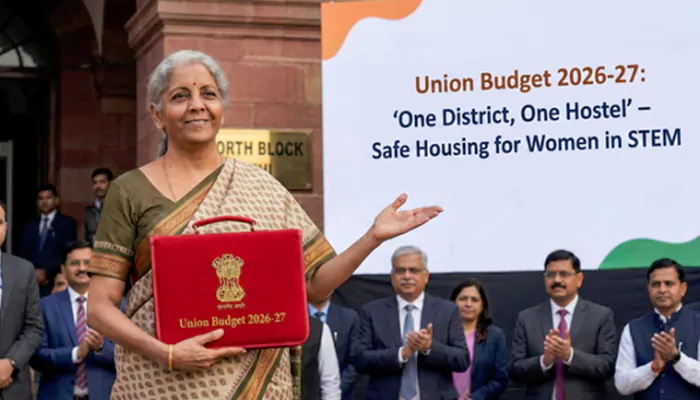
The Finance Minister just handed a logistical lifeline to thousands of aspiring Marie Curies who have the grades but not the postcode.
We often talk about the "Glass Ceiling" in boardrooms, but for a girl in a Tier-3 district in India, the barrier is usually made of tarmac. It’s the 40-kilometer bus ride home after a chemistry practical. It’s the lack of a safe roof in the city where the good college is. It’s the silent, heartbreaking calculation parents make: “She is smart, but is it safe?”
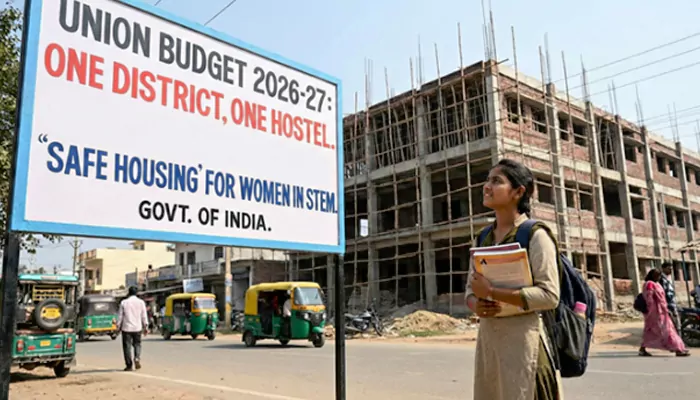
Yesterday, the Union Budget 2026-27 finally tried to answer that question.
Buried amidst the heavy jargon of "fiscal consolidation" and "capital outlay" was a line item that might do more for Indian science than a dozen new satellites. The Finance Minister proposed the establishment of one girls’ hostel in every district, specifically targeting students in STEM (Science, Technology, Engineering, and Mathematics) fields.
Why "STEM" Needs a Bed
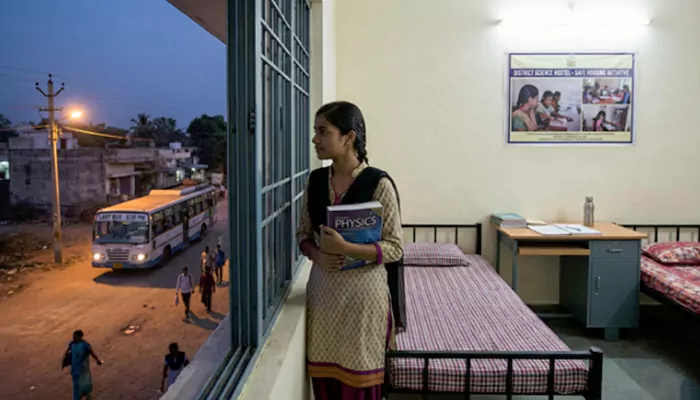
You might ask, why link housing to STEM? Why not just general education?
If you have ever done a science degree, you know the answer. Literature classes might end at 2 PM, but science happens in the margins. It happens in labs that run late, in observation shifts at the telescope, and in group projects that burn the midnight oil.
For a male student, staying back late is an annoyance. For a female student from a rural background, it’s often a dealbreaker. I recall a conversation with a professor from a state university in Odisha who told me, "My best female researchers quit not because they couldn't handle the physics, but because the last bus to their village leaves at 5:30 PM."
This initiative - let's call it the "One District, One Hostel" push - addresses this specific friction. By placing safe, regulated housing in every single district (that’s over 750 locations), the government is effectively saying: Your geography shouldn't dictate your chemistry.
The "Viability Gap" Strategy
The mechanism behind this is interesting. The government isn't building these brick-by-brick themselves - that would take a century. Instead, they are using Viability Gap Funding (VGF).
Essentially, the Centre is telling private players and state governments: "You build it, run it, and if the numbers don't quite add up because you’re keeping rent affordable, we will bridge the financial gap." It’s a pragmatic move. It acknowledges that while the private sector is great at building, they usually only build where the profit is. VGF makes it profitable to build in places like Kalahandi or Bastar, not just Bengaluru.
A Psychological Permit
However, the impact here goes beyond just "beds and breakfast."
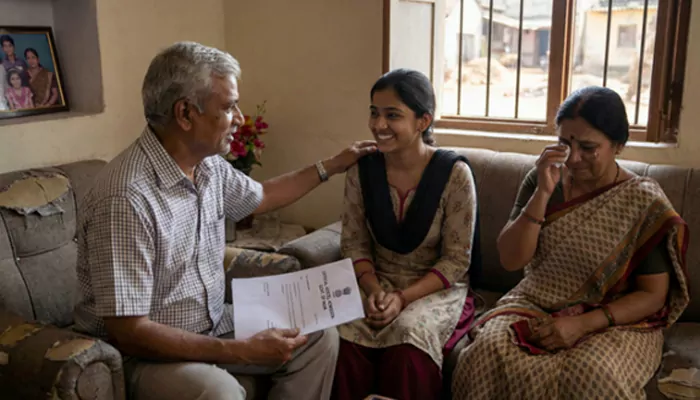
In many conservative pockets of India, a government-sanctioned hostel acts as a "psychological permit" for parents. It carries a stamp of legitimacy and security that a private PG (Paying Guest) accommodation lacks. If the hostel is "official," it’s easier for a father to say yes to his daughter studying in the district headquarters.
The Devil in the Dormitory
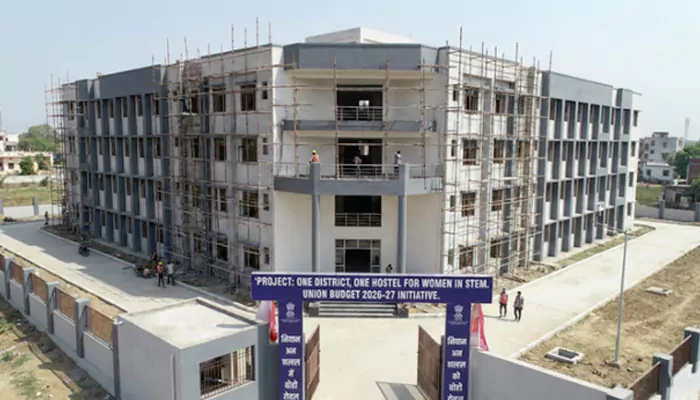
But let’s not pop the champagne just yet. Anyone who has lived in a public hostel knows the reality can be... grim.
The success of this scheme will depend entirely on the "Safe" part of "Safe Housing." We aren't just talking about guards at the gate. We are talking about hygiene, functional toilets, and digital connectivity. If these new hostels become dilapidated warehouses within three years, the trust will evaporate. The Budget speech mentioned "minimum standards for safety and sanitation" - a crucial clause that needs to be more than just ink on paper.
This isn't a flashy, high-tech announcement. It doesn't have the allure of AI or semiconductors. But it is the kind of "plumbing" reform that actually changes lives.
By removing the logistics of living from the equation of learning, the Budget 2026-27 has cleared the runway. Now, it’s up to the students to fly.