As India enters a high-growth year, your financial discipline will decide how 2026 treats you.
The start of a new year always brings excitement, fresh goals, renewed energy, and the urge to upgrade life. But while January makes us feel unstoppable, it’s also the month when most Indians make the costliest financial mistakes. And according to the latest 2025–26 BFSI and fintech industry reports, what you do in the first quarter (January-March) directly influences your savings rate, investment capacity, tax outcome, and long-term wealth for the rest of the year.
So before you begin 2026 with enthusiasm (and a little overspending), here are the top money mistakes you must avoid to ensure the new year strengthens, not weakens your finances.
Waiting Until March to Start Tax Planning
One of the biggest recurring mistakes Indian earners make is postponing tax planning until the last week of March. This “panic investment” leads to poor decisions, wrong product selection and unnecessary stress.
Why it hurts:
Industry reports show that 42% of Indians invest in unsuitable tax-saving products simply because they decide too late.
What to do instead:
- Compare the new and old tax regimes early.
- Plan ELSS, NPS or insurance investments in January itself.
- Choose tax-saving tools aligned with long-term goals, not last-minute pressure.
Early planning = better savings + better returns.

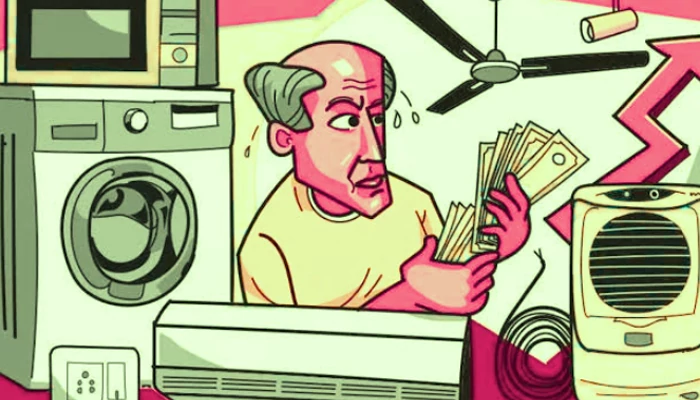
Overspending in January Due to New Year Fever
January is when most people buy new gadgets, take vacations, start subscriptions, or sign up for expensive fitness memberships. Lenders and e-commerce platforms know this, which is why offers peak during this time.
Why it hurts:
Fintech spending analysis shows consumption expenditure rises 18–22% in the first month, leaving many households cash-light by February.
How to avoid it:
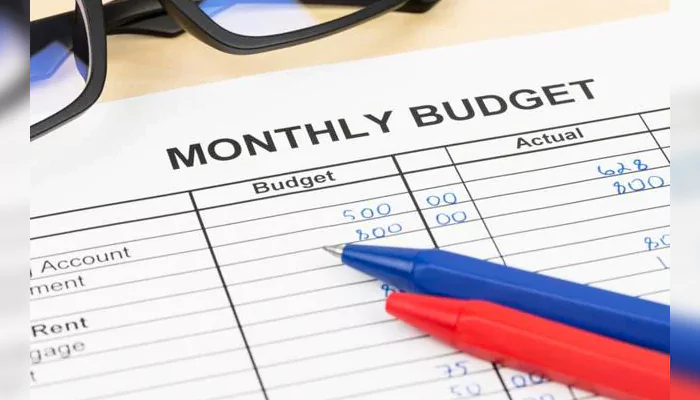
- Create a January-March spending cap.
- Track monthly expenses using UPI insights or budgeting apps.
- Follow the 70-20-10 rule: essentials, savings, guilt-free spending.
Celebrating is not wrong, but overspending without a plan is.
Falling for Buy-Now-Pay-Later (BNPL) Traps
The BNPL boom across India in 2025 made it easy to swipe without thinking. The problem? Missed payments and hidden charges that pile up silently.
Why it hurts:
Reports show BNPL late fees increased by 30% year-on-year, with many users unaware of compounding penalties
Smart fix:
- Reserve BNPL for genuine needs only.
- Set auto reminders for repayment cycles.
- Avoid using BNPL for discretionary purchases like food, travel or shopping.
Convenience shouldn’t turn into debt.

Neglecting an Emergency Fund
After a year of job restructuring, AI-driven layoffs, rising medical expenses and unpredictable markets, 2025 taught one important lesson: emergencies never announce themselves.
Why it hurts:
Surveys show 58% of Indians still don’t have 3 months of emergency savings.
Fix it in 2026:
- Build a corpus covering 3-6 months of expenses.
- Keep it liquid; money market funds, sweep-in FDs, or high-interest savings accounts.
- Automate a small monthly transfer into this fund.
Your emergency fund is your first defence. Never delay building it.
Letting Money Sit Idle in Savings Accounts
Savings account interest rates remain low, and keeping large balances there is a quiet financial drain.
Why it hurts:
Idle cash loses value due to inflation, reducing real wealth over time.
Better alternatives:
- Liquid mutual funds for higher, low-risk returns.
- Auto-sweep facilities linking savings to short-term deposits.
- SIPs for disciplined growth.
Money should grow and not sleep.
Chasing High-Risk Investments Without Research
2025 saw a surge in crypto interest, AI-stock frenzy and influencer-led investment advice. While some profited, many lost money.
Why it hurts:
Consumer financial protection reports confirm that first-time investors faced the highest losses due to inadequate research.
Safer approach for Q1 2026:
- Do not invest based on hype or social media.
- Diversify: equity + debt + gold + index funds.
- Understand your risk profile before choosing aggressive assets.
Wealth grows with strategy, not shortcuts.
Ignoring Insurance or Buying the Wrong One
Medical inflation is climbing at nearly 12–14% annually, and unexpected health issues were a major financial setback in 2025. Yet many Indians remain uninsured or under-insured.
Avoid this mistake by:
- Upgrading your health cover to at least ₹10–20 lakh.
- Choosing term insurance over expensive mixed plans.
- Reviewing policies annually.
Insurance isn’t a cost, it’s a shield.

Make Q1 2026 the Year of Smarter Money Moves
The first quarter of 2026 isn’t just a financial period, it’s the foundation of your entire year. The habits you build now will shape your savings pattern, investment growth and stability for the next twelve months. By avoiding these common mistakes and taking charge early, you set yourself up for stronger wealth creation and stress-free financial living.
Start 2026 with clarity, discipline and confidence. Let this be the year where your money decisions work for you, not against you.