The RBI Faces A Difficult Choice This Week. Your Money Could Feel The Effects
- Devyani
- 3 months ago
- 3 minutes read
.webp)
vAs the RBI prepares for a crucial policy decision, rising oil prices, a weaker rupee and inflation concerns are pulling policymakers in different directions.
Most people don't spend their mornings tracking the rupee or bond yields. Fair enough. Yet this week, a meeting inside the Reserve Bank of India could quietly influence everything from borrowing costs to future inflation.
The RBI's Monetary Policy Committee is expected to keep interest rates unchanged when it announces its decision later this week. But the backdrop has become far more complicated than it was a few months ago. Oil prices remain elevated, the rupee is under pressure, and foreign investors have continued pulling money from Indian markets. At the same time, inflation is still relatively contained and economic growth remains respectable.
Why The RBI Is In A Tight Spot
Normally, central banks raise rates to cool inflation and support their currency. The challenge is that today's pressures are not entirely domestic.
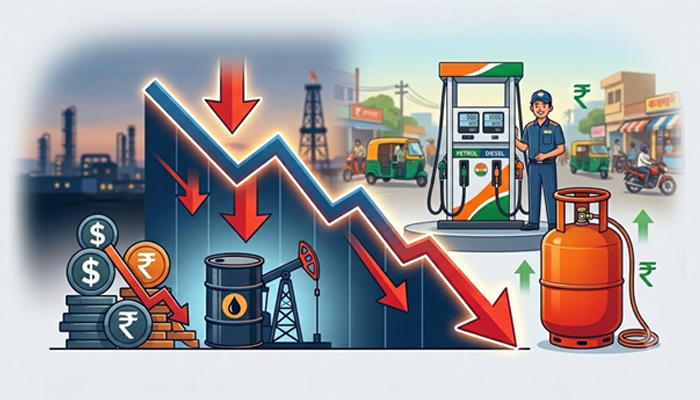
India imports a large share of its energy needs. Recent geopolitical tensions have pushed oil prices higher, increasing the risk of imported inflation. Meanwhile, the rupee has weakened significantly this year, making imports more expensive. Some economists believe tighter policy may eventually be needed, while others argue rate hikes would do little to solve supply-driven shocks.
That leaves the RBI balancing two goals that don't always move together: supporting growth and maintaining stability.
Why Ordinary Consumers Should Care
The effects may not be immediate, but they are real.
If inflation rises because of higher fuel and import costs, businesses often pass some of those expenses to consumers. Electronics, travel, imported goods and transportation can become more expensive over time. A prolonged period of pressure could also influence future loan rates, affecting homebuyers and businesses alike.
Interestingly, markets are watching not just the rate decision but also the RBI's language. Investors want clues about what comes next.
The Bigger Question
For now, most economists expect a pause rather than a rate hike. Yet forecasts have shifted noticeably in recent weeks. Many now expect borrowing costs to move higher later in the year if oil prices stay elevated and inflationary pressures strengthen.
Sometimes the most important economic decisions are the ones that don't change anything immediately. This week may be one of those moments.
The RBI's decision may leave rates unchanged, but its next signals could shape the direction of inflation, the rupee and household finances in the months ahead.
.webp)
.webp)
.webp)