Here are today’s most important updates from the realm of Science and Space.
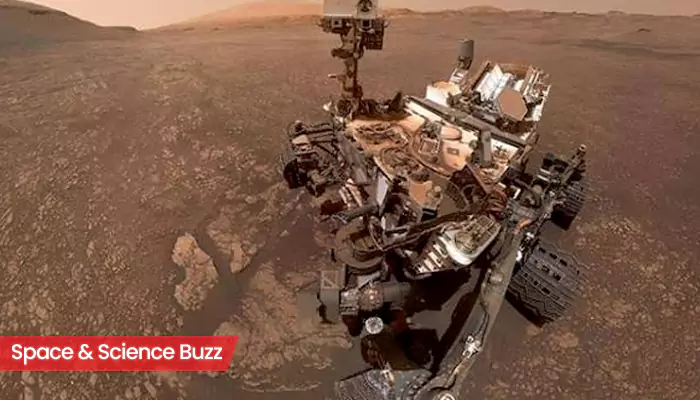
Curiosity Spots Organic Molecules Never Seen Before On Mars: Sign of Life?
NASA's Curiosity rover has uncovered a range of organic molecules on Mars - some of the same kinds of chemicals that, on Earth, are considered the basic building blocks of life. The discovery comes from a new type of chemical experiment conducted directly on the Martian surface, marking a significant step forward in how scientists study the planet, Space.com reported. The rover detected seven different organic compounds in a dried-up lakebed near Mars' equator, five of which had never been seen on the planet before. While it's unclear whether these organic compounds are linked to ancient life, were delivered by meteorites, or formed geologically, the discovery suggests that if life did exist on Mars, chemical signs of it could still be present today.
Why is Assam flooding while the rest of India is facing the heatwave?

As temperatures climbed dangerously high across large parts of the country, the northeastern state faced a dramatic contrast with torrential downpours that turned streets into rivers this week. Guwahati received a shocking 117.4 mm of rain in just 24 hours on April 20, the highest single-day April total in 75 years, beating the old record from 2004. The heavy rainfall in Assam was triggered by multiple weather systems typical of the pre-monsoon season. An upper air cyclonic circulation over northeast Assam and adjoining areas, combined with another cyclonic circulation over northeast Bangladesh, pulled in moist air and sparked intense thunderstorms overnight. The India Meteorological Department (IMD) has warned of heatwave conditions in states like Punjab, Haryana, Uttar Pradesh, Madhya Pradesh, Chhattisgarh, Rajasthan, Odisha, Bihar, and parts of West Bengal. This extreme weather shift shows how unpredictable India's April climate has become, underlining yet again the worsening consequences of a warming planet.
Can the Giant Magellan Telescope spot habitable worlds?
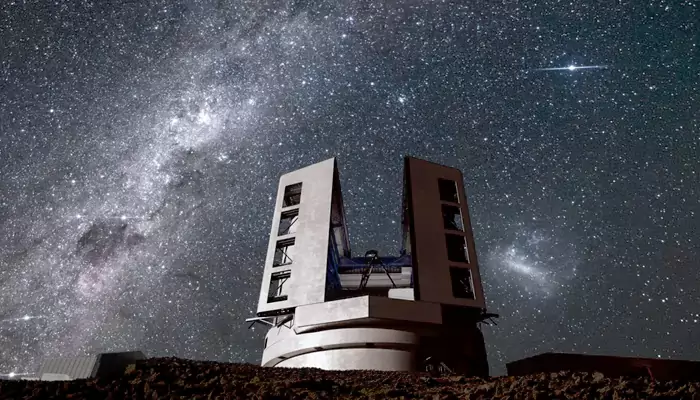
The effort to build one of the most powerful ground-based telescopes ever conceived is entering a decisive phase, but its future still depends heavily on funding. The Giant Magellan Telescope Consortium is advancing plans for the Giant Magellan Telescope (GMT), a next-generation observatory that could reshape how scientists study planets, stars, and galaxies. The Giant Magellan Telescope project is gearing up for a crucial 12–24 months, with their final design phase underway as the team behind the project seek further funding to make the dream of the 25.4-meter (83 feet) multi-mirror telescope a reality. This project is expected to provide insights about habitable exoplanets.
Sitting Too Much? Expert Shares Simple Fix to Cut Health Risks

The World Health Organization (WHO) recommends that adults get at least 150 minutes of moderate activity (brisk walking, easy cycling) or at least 75 minutes of vigorous activity (running, tennis), along with at least two strengthening sessions, per week. Physical inactivity is defined as not meeting the minimum guidelines for being active. Being physically inactive, however, doesn't mean you're not active at all. You could still be doing light activity, like general walking or household chores, just not moderate or vigorous activity. And in general, people who are inactive spend more of their time being sedentary. When you sit, your metabolism slows down. This makes sense, as your energy needs are much lower. It's not much different from a car engine shutting down at a stoplight. Replacing sitting (or standing) with movement is the best solution.